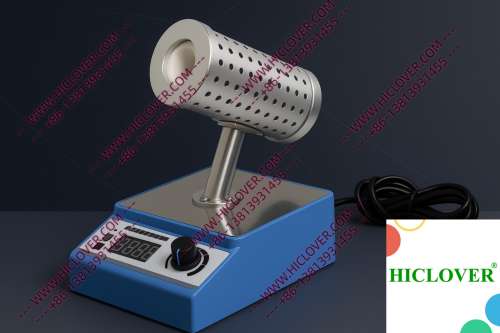
As laboratories continue to evolve, the demand for effective and efficient biosafety solutions becomes increasingly critical. Traditional methods of sterilization, such as the use of flame burners and alcohol lamps, present inconsistencies and safety hazards, prompting the need for innovative solutions. Enter the Micro Incinerator—a cutting-edge Infrared Inoculating Loop Sterilizer that offers a new perspective on lab hygiene.
Challenges in Laboratory Biosafety
Laboratories, especially those classified as BSL-2 and BSL-3, face numerous challenges in maintaining a sterile environment. Issues such as aerosol generation, potential cross-contamination, and the risk of fire accidents make the sterilization workflow particularly demanding. An efficient sterilization process is not just a matter of routine; it is a critical aspect of laboratory operations that can impact the integrity of research and the safety of personnel.
Understanding Infrared Sterilization Technology
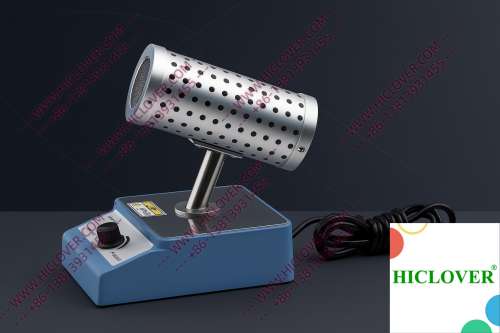
The Micro Incinerator operates on the principle of rapid thermal sterilization through infrared heat. This technology harnesses the power of an enclosed ceramic tube that emits concentrated infrared radiation, providing high-temperature disinfection without the drawbacks associated with traditional flame methods. The compact design allows easy integration into lab spaces, including biosafety cabinets, without compromising safety or efficiency.
Key Features of the Micro Incinerator
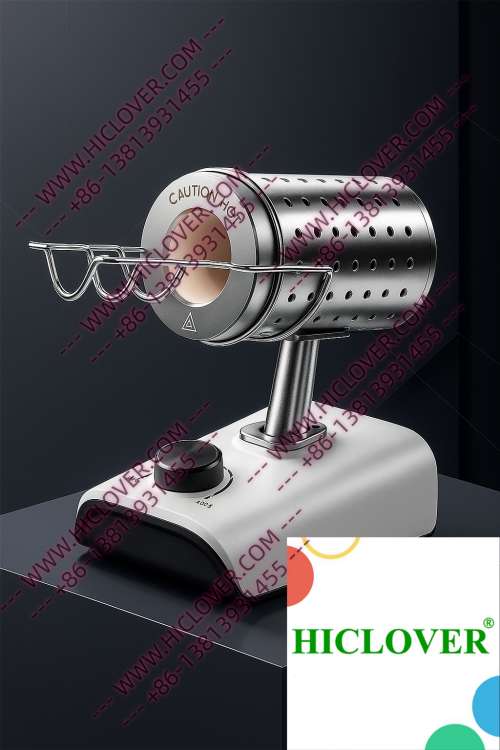
- Rapid Sterilization: Achieves sterilization in seconds, dramatically reducing waiting times.
- Aerosol-Free Handling: Minimizes the risk of contamination and maintains a sterile environment.
- No Open Flame: Safe for clean rooms, preventing fire hazards in sensitive setups.
- Compact Design: Fits seamlessly into laboratory workflows, enhancing space efficiency.
- Long-Lasting Durability: Built with materials designed to withstand heavy usage while maintaining performance.
Application Scenarios in Real Labs
To understand the practicality of the Micro Incinerator, consider its application in different laboratory settings:
1. University Teaching Labs
In university settings where sterile techniques are taught, the Micro Incinerator provides students with a safe method for sterilizing inoculation loops and spreaders. This is particularly beneficial in microbiology courses, where students handle various microorganisms. The ability to demonstrate sterilization without the risks associated with flame sterilizers promotes a safer learning environment.
2. Clinical Diagnostics in BSL-2 Labs
In BSL-2 clinical diagnostic labs, rapid sterilization while minimizing contamination is crucial. The infrared sterilizer allows technicians to efficiently decontaminate tools between samples, ensuring biohazard control. Its aerosol-free functionality is especially suited for environments where air quality is paramount.
Compliance with Sterilization Standards
Adhering to stringent biosafety standards, including those set by the World Health Organization (WHO) and other regulatory bodies, is non-negotiable in laboratory operations. The Micro Incinerator is compliant with the latest laboratory sterilization guidelines, promoting safe practices such as:
- Eliminating open flames in clean rooms and sensitive environments
- Following ISO guidelines for sterilization processes
- Meeting local and international biosafety regulations
Failure to comply with these standards can result in significant consequences, including contamination and risk to public health. Thus, integrating advanced sterilization solutions like the Micro Incinerator becomes essential.
Comparison: Micro Incinerator vs. Traditional Flame Sterilizers
| Feature | Micro Incinerator | Traditional Flame Sterilizers |
|---|---|---|
| Temperature Control | Precise and Adjustable | Variable and Often Inconsistent |
| Flame Risks | No | Yes |
| Aerosol Generation | No | Yes |
| Speed of Sterilization | Seconds | Variable |
| Compatibility with Equipment | Highly Compatible | Limited |
Frequently Asked Questions
How does an infrared sterilizer improve laboratory safety?
The infrared sterilizer eliminates open flames, reducing the risk of fire hazards and minimizing aerosol generation, which protects both personnel and the integrity of samples.
Can the Micro Incinerator be used in field testing environments?
Yes, the compact design and rapid sterilization capability make it an excellent choice for mobile and field testing laboratories, ensuring safety outside of a traditional lab setting.
What types of sterilization materials are recommended?
Standard materials such as inoculating loops, spreaders, and certain types of biohazard waste can be effectively sterilized using the Micro Incinerator.
Is the Micro Incinerator compliant with international biosafety standards?
Yes, it meets numerous laboratory sterilization standards, including those established by the WHO, ISO guidelines, and other local regulations.
How do I integrate this technology into my existing lab setup?
The Micro Incinerator can be easily incorporated into any laboratory space, including biosafety cabinets, without disrupting existing workflows or increasing risk factors.
Conclusion
The adoption of infrared sterilization technology, as represented by the Micro Incinerator, signals a significant step forward in laboratory hygiene. Its myriad benefits over traditional flame sterilizers—such as safety, efficiency, and compliance—make it an essential investment for laboratories aiming to enhance their sterilization processes. For institutions committed to innovation and safety, the Micro Incinerator is poised to be a game-changer. Contact us today to explore how to elevate your lab’s sterilization standards.
Categories:
Tags: