
In today’s high-stakes laboratory environments, where biosafety and sterilization are paramount, researchers face significant challenges in managing contamination risks. The integrity of microbial studies, diagnostics, and research outcomes can hinge on the effectiveness of sterilization workflows. This is where high-temperature sterilizers, particularly the Micro Incinerator / Infrared Inoculating Loop Sterilizer, emerge as invaluable assets.
Understanding Micro Incinerators and Their Technical Principles
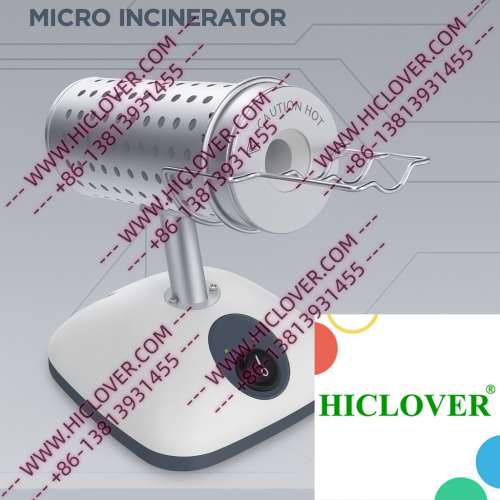
The Micro Incinerator utilizes infrared technology to achieve rapid thermal sterilization. This device features an enclosed ceramic heating chamber that provides a consistent and focused heat source, ensuring efficient disinfection without the mess or hazards associated with traditional flame-based sterilizers. Unlike alcohol lamps or Bunsen burners, the Micro Incinerator’s design prioritizes user safety and operational efficiency, making it an ideal choice for various laboratory settings.
The infrared heating mechanism operates by creating a high-temperature environment that rapidly destroys pathogens. This ensures effective sterilization without the production of aerosols, which can be a significant concern in laboratories, especially those working with virulent strains or under BSL-2 and BSL-3 conditions.
Practical Applications in Modern Laboratories
The versatility of the Micro Incinerator makes it suitable for several laboratory applications, including:
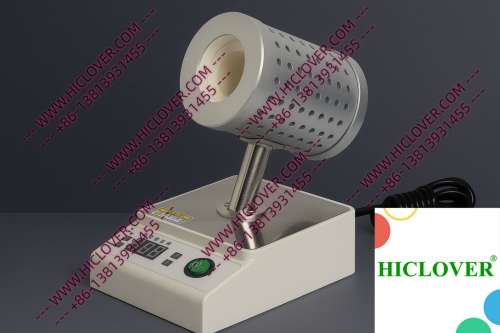
- Biosafety Cabinets: In environments where contamination control is critical, the Micro Incinerator can seamlessly integrate into biosafety cabinets. Users can quickly sterilize inoculating loops and other instruments, thus minimizing contamination risks while maintaining a sterile workspace.
- Field Testing: In mobile or field testing labs, where traditional flame sterilization poses a risk of fire hazards and requires combustible fuels, the Micro Incinerator provides a safe and portable solution for on-the-go sterilization needs, enabling researchers to conduct studies in remote locations without compromising safety or reliability.
- Teaching Labs: Educational institutions benefit from the Micro Incinerator’s ease of use and safety profile, making it an exemplary tool for teaching students about microbial techniques without exposing them to the dangers of open flames.
Compliance with Biosafety and Lab Standards
Adhering to organizational and worldwide biosafety standards, such as those set by WHO and other laboratory guidelines, is crucial for today’s laboratories. The absence of open flames in cleanrooms and sensitive areas is a key consideration in maintaining sterile conditions. The Micro Incinerator supports compliance with:
- ISO 15190:2003 – This standard mandates effective sterilization methods to prevent contamination.
- BSL-2 & BSL-3 Guidelines – Ensures safety while handling pathogenic microorganisms with high conduct protocols.
- Environmentally safe practices – The Micro Incinerator eliminates aerosol generation, enhancing safety in cleanroom operations.
In urban research centers across the United States and Europe, laboratories are increasingly adopting this technology to meet stringent regulations while improving efficiency.
Benefits Versus Traditional Flame Sterilizers
When comparing the Micro Incinerator to traditional flame sterilizers like alcohol lamps and Bunsen burners, several advantages arise:
| Feature | Micro Incinerator | Flame Sterilizers |
|---|---|---|
| Safety | Flame-free operation | Fire hazards present |
| Heat consistency | Infrared technology ensures uniform heating | Variable depending on flame size |
| Contamination control | Aerosol-free handling | Aerosol generation possible |
| Energy efficiency | Low energy consumption | Higher energy demands |
Frequently Asked Questions
What is the primary advantage of using a Micro Incinerator in sterilization workflows?
The primary advantage lies in its ability to provide rapid thermal sterilization without creating hazardous aerosols, thus enhancing biosafety compliance in sensitive laboratory environments.
How does an infrared inoculating loop sterilizer differ from traditional methods?
Infrared inoculating loop sterilizers utilize a ceramic heating chamber for consistent and focused heat, unlike traditional flame methods that can vary in temperature and pose fire risks.
Can the Micro Incinerator be used in field settings?
Yes, the compact and portable design makes it an excellent choice for field testing labs where safety and quick sterility are paramount.
How does the Micro Incinerator enhance compliance with international biosafety standards?
Its design eliminates open flames and aerosols, fulfilling the stringent requirements of ISO and BSL standards while safeguarding both personnel and research integrity.
What types of laboratories benefit most from using a Micro Incinerator?
Biosafety level labs, clinical diagnostics settings, university teaching labs, and mobile research units can all significantly benefit from the Micro Incinerator’s features.
Conclusion
In the constantly evolving landscape of laboratory research and diagnostics, high-temperature sterilizers like the Micro Incinerator / Infrared Inoculating Loop Sterilizer stand out as crucial components of infection control. By opting for a technology that promotes rapid sterilization, minimizes contamination risk, and adheres to safety standards, laboratories can enhance their overall operational efficiency.
For distributors and research centers looking for top-quality sterilization solutions, we encourage you to explore our offerings and contact us for further information. Embrace innovation for a safer laboratory environment today!
Categories:
Tags: