
Laboratories across the United States face a myriad of biosafety challenges, particularly when it comes to sterilization workflows. Efficient and effective sterilization of lab equipment and materials is critical to maintaining safety standards, controlling contamination, and ensuring the integrity of research. Among the various sterilization methods available, the micro incinerator, specifically the Infrared Inoculating Loop Sterilizer, has proven to be a game-changer for biosafety compliance and lab efficiency.
The Technical Principles Behind Micro Incinerators
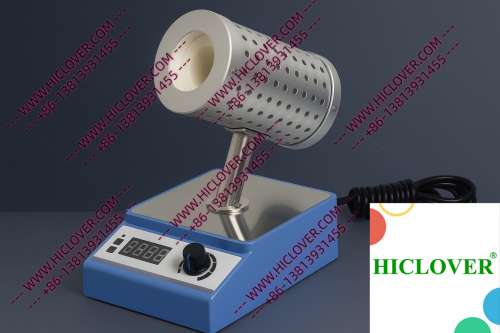
Micro incinerators operate on the principle of rapid thermal sterilization using infrared heat. When comparing micro incinerators with traditional sterilization methods, particularly flame-based options like alcohol lamps or Bunsen burners, the differences are quite pronounced. The micro incinerator utilizes an enclosed ceramic tube that generates infrared radiation, achieving high temperatures safely and effectively.
This technology allows for aerosol-free handling, minimizing the risk of contaminating the surrounding environment. The ceramic heating chamber ensures uniform heat distribution, providing a reliable sterilization process that meets rigorous biosafety standards.
Application Scenarios for Micro Incinerators
- Biosafety Cabinets: Micro incinerators are widely used in BSL-2 and BSL-3 microbiology labs. In these settings, where the risk of exposure to pathogens is high, the infrared sterilizer offers a clean-bench-safe solution. The hands-free operation and rapid heating capabilities significantly reduce the time spent on sterilization tasks.
- University Teaching Labs: In educational institutions, where the teaching and demonstration of sterile techniques are critical, micro incinerators provide a visible, efficient, and safe process for students. Unlike flame-based sterilizers that require careful monitoring, the infrared inoculating loop sterilizer allows students to focus on learning without the hazards of open flames.
- What is the primary advantage of using a micro incinerator in laboratories?
The main advantage is enhanced safety and effectiveness in sterilization compared to traditional flame sterilizers, reducing the risk of contamination and fire hazards.
- Can micro incinerators be used in field testing labs?
Yes, they are ideal for field testing applications where a portable, flame-free sterilization solution is necessary.
- How does infrared sterilization impact the biosafety workflow in labs?
Infrared sterilization streamlines workflows by reducing the time needed for sterilization and increasing compliance with safety regulations.
- Are there specific compliance standards for using micro incinerators?
Yes, users should adhere to WHO biosafety standards and local regulations pertaining to laboratory safety and sterilization.
- What types of laboratories benefit most from micro incinerators?
BSL-2 and BSL-3 labs, clinical diagnostics, and university teaching labs all benefit significantly from the use of micro incinerators.
Compliance and Environmental Considerations
Laboratory sterilization is not just about effectiveness; it’s also about compliance with established biosafety protocols. The World Health Organization (WHO) outlines stringent biosafety standards that laboratories must adhere to, especially those handling pathogenic microorganisms.
Micro incinerators, being flame-free, are ideal for clean rooms where open flames can introduce contaminants or pose fire hazards. They offer an advanced solution for maintaining a sterile environment, an essential consideration in lab sterilization standards. By using infrared high-temperature disinfection, micro incinerators not only comply with these standards but also adapt well to modern laboratory settings.
Comparative Analysis of Micro Incinerators and Flame Sterilizers
| Feature | Micro Incinerator | Flame Sterilizer |
|---|---|---|
| Operation Type | Infrared heating | Open flame |
| Safety | Reduced fire risk | Higher risk |
| Aerosol Management | Aerosol-free | Potential aerosolization |
| Heating Time | Rapid heat-up | Variable |
| Energy Efficiency | More efficient | Less efficient |
Frequently Asked Questions
Conclusion
In summary, the introduction of micro incinerators like the Infrared Inoculating Loop Sterilizer has revolutionized sterilization methods in laboratories across the U.S. By providing a safer, more efficient alternative to traditional flame sterilizers, they meet the diverse needs of various laboratory environments including BSL-2, clinical diagnostics, and educational settings. If you are looking to enhance your lab’s sterilization workflow and comply with stringent biosafety standards, it’s time to consider investing in a micro incinerator. Don’t hesitate to reach out for more information about purchasing options!
Categories:
Tags: