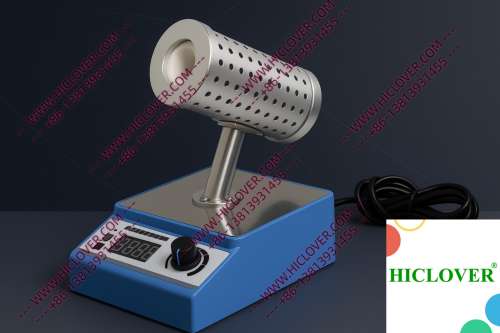
In the ever-evolving landscape of laboratory biosafety, the need for effective sterilization equipment has never been more critical. Laboratories, especially those operating under biosafety levels 2 and 3 (BSL-2 and BSL-3), face significant challenges such as controlling contamination and ensuring the reliability of results. Traditional sterilization methods, like alcohol lamps and Bunsen burners, while widely used, have inherent drawbacks such as fire hazards and incomplete sterilization of surfaces. This is where Micro Incinerators or Infrared Inoculating Loop Sterilizers shine as a modern alternative.
Understanding How Infrared Inoculating Loop Sterilizers Work
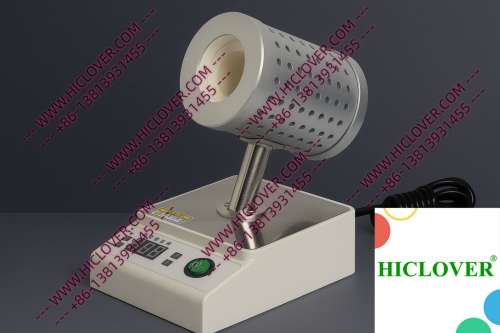
Micro Incinerators utilize infrared radiation to achieve rapid thermal sterilization without the dangers associated with open flames. This advanced sterilization technique uses an enclosed ceramic tube that emits infrared heat, quickly raising the temperature to levels capable of killing pathogens in seconds. The design of the sterilizer ensures that the heating element reaches optimal temperatures promptly, making it ideal for high throughput environments where time is of the essence.
Another significant advantage of these devices is their clean-bench-safe operation. Traditional flame sterilizers can produce harmful aerosols, which pose a risk in a controlled environment, such as a biosafety cabinet or while working with sensitive samples. Infrared sterilizers, on the other hand, offer a smoke-free, aerosol-free alternative, maintaining a sterile working atmosphere.
Practical Applications of Micro Incinerators
1. University Teaching Labs
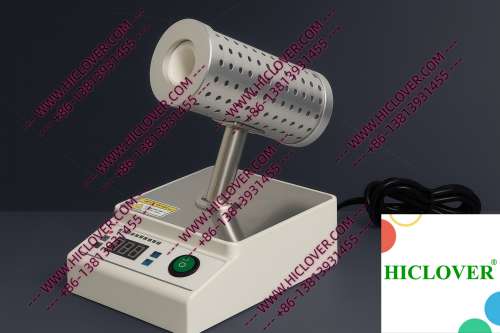
In educational settings, such as university teaching laboratories, maintaining a sterile environment can be challenging. With students constantly conducting experiments and handling microbiological specimens, using a Micro Incinerator can streamline the sterilization workflow. For instance, between inoculations, instructors can utilize the infrared inoculating loop sterilizer to quickly and safely sterilize loops, minimizing the risk of cross-contamination during practical lessons.
2. Field Testing Labs
Field testing in remote locations often presents unique sterilization challenges. A Micro Incinerator’s portability and efficiency make it suitable for mobile laboratory units stationed in rural or hard-to-reach areas. These sterilizers allow field scientists to perform inoculations without worrying about flame hazards or the need for extensive equipment, efficiently carrying out epidemiological studies and microbial sampling in various environments.
Compliance with Biosafety Standards
Laboratories must adhere to stringent biosafety standards to prevent contamination and ensure the safety of personnel. The World Health Organization (WHO) outlines several best practices for laboratory sterilization, emphasizing the importance of using non-flame sterilizers in clean rooms and areas where flammable materials are present. These standards are particularly vital in BSL-2/BSL-3 labs, where pathogens pose higher risks. Using a Micro Incinerator not only aligns with these regulations but also fortifies overall laboratory safety protocols.
- WHO Compliance: Recommendations for laboratory biosafety practices.
- Rapid Thermal Sterilization: Achieves results in seconds without aerosol contamination.
- Flame Safety: Eliminates risks associated with using fire near delicate instruments.
Advantages Over Traditional Flame Sterilizers
| Feature | Micro Incinerator | Traditional Flame Sterilizer |
|---|---|---|
| Safety | No open flame, reduced fire hazards | Open flame poses fire risk |
| Speed | Rapid sterilization (seconds) | Variable time, often longer |
| Cleanliness | Aerosol-free handling | Aerosols can contaminate surfaces |
| Usability | Designed for ease of use | Dependent on skill level for operation |
FAQs about Micro Incinerators
What is a Micro Incinerator used for?
A Micro Incinerator is primarily used for sterilizing microbial inoculating loops, needles, and other laboratory tools quickly and safely in various laboratory settings.
How does infrared sterilization work?
Infrared sterilization works by using infrared radiation that rapidly heats the sterilizing loop or instrument to a temperature that is effective for killing microorganisms in seconds, without producing harmful aerosols.
Are Micro Incinerators safe for clean rooms?
Yes, Micro Incinerators are safe for use in clean rooms because they do not produce open flames or aerosols, thereby maintaining a sterile environment.
Can I use a Micro Incinerator in the field?
Absolutely! Micro Incinerators are portable and can be used in field testing labs, providing reliable sterilization without the hazards associated with open flames.
How do Micro Incinerators compare to Bunsen burners?
Unlike Bunsen burners, Micro Incinerators offer rapid heating, greater safety due to the absence of flames, and reduced risk of contamination.
Conclusion
In summary, Micro Incinerators provide an effective, safe, and compliant solution for laboratory sterilization needs. Their rapid thermal sterilization capabilities, coupled with their aerosol-free operation, make them indispensable in settings from BSL-2 labs to university teaching environments or field studies. If you’re looking to elevate your laboratory standards and ensure maximum biosafety, consider investing in a Micro Incinerator. For further information or to discuss your needs, please contact us today.
Categories:
Tags: