
In the fast-paced environment of modern laboratories, particularly in the realms of clinical diagnostics and microbiology, the demand for efficient and reliable sterilization solutions is paramount. Laboratories are increasingly confronted with practical biosafety challenges that include contamination control, regulatory compliance, and the need for rapid thermal sterilization methods that do not compromise the cleanroom environment. These challenges have fueled the evolution of sterilization equipment, prominently featuring innovations like the Micro Incinerator or Infrared Inoculating Loop Sterilizer.
Understanding the Technical Principles of Infrared Sterilization
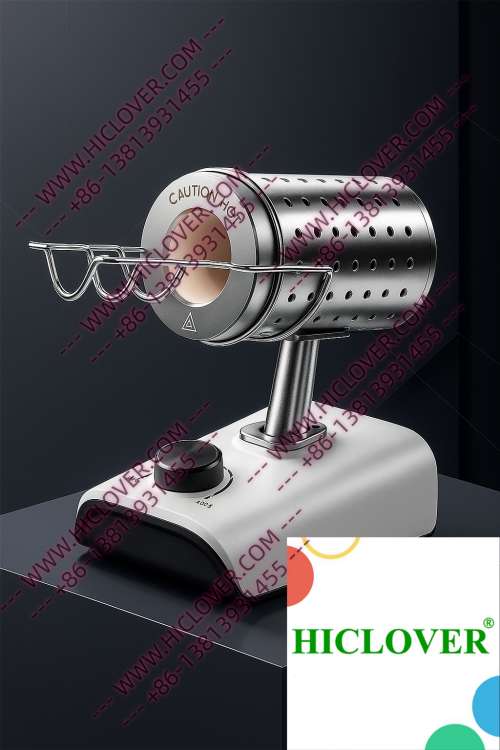
The Micro Incinerator operates on the principles of infrared heat transfer, ensuring that sterilization occurs quickly while maintaining safety standards essential for laboratory environments. This compact sterilizer features an enclosed ceramic tube that generates high temperatures—over 800°C—through rapid heating elements. Unlike traditional flame sterilizers, which can introduce aerosols and risk contamination, the infrared sterilizer provides a flame-free solution for efficient microbial load reduction.
The design promotes a clean-bench-safe operation, making it ideal for use in various laboratory settings where maintaining aseptic conditions is crucial. The enclosed nature of the heating element significantly minimizes the risks associated with open flames, ensuring that the sterilization process remains contained and safe.
Application Scenarios in Real Laboratories
- Biosafety Cabinets: In BSL-2 and BSL-3 microbiology labs, safeguarding against contamination is crucial. The Micro Incinerator excels in these settings by providing a sterile environment for inoculating loops and other lab tools. Researchers conducting microbial culture studies can depend on the Infrared Inoculating Loop Sterilizer to effectively eliminate pathogens between samples.
- University Teaching Labs: In educational environments, the sterilization equipment needs to be both effective and user-friendly for students. The Micro Incinerator simplifies the teaching process of aseptic techniques by providing an efficient method for students to sterilize inoculating devices without the need for cumbersome safety precautions associated with open flames.
- What are the key benefits of using a Micro Incinerator in a laboratory?
- Micro Incinerators provide rapid thermal sterilization, safe operation in clean environments, and reduce contamination risks associated with open flames.
- Can a Micro Incinerator be used in field testing labs?
- Yes, its compact design and portability make it suitable for mobile labs and field testing, ensuring safe sterilization regardless of location.
- How does the Micro Incinerator ensure compliance with biosafety standards?
- It is designed specifically to meet WHO guidelines and laboratory standards for sterility without introducing flame-related hazards.
- Is training required to operate a Micro Incinerator?
- While it is user-friendly, basic training on its operation and best practices is advised to maximize efficiency and safety.
- How does the sterilization process work?
- The Micro Incinerator uses infrared high-temperature heat to provide effective disinfection of inoculating loops and other lab instruments quickly and efficiently.
Compliance and Environmental Considerations
Adhering to global biosafety standards is a necessity for laboratories to ensure safe and compliant operations. The World Health Organization (WHO) emphasizes stringent laboratory sterilization practices, particularly in the context of harmful pathogens. The Infrared Inoculating Loop Sterilizer aligns with these standards by eliminating flames that could compromise cleanrooms and other sensitive environments.
Furthermore, this type of sterilization tool demonstrates adherence to critical laboratory sterilization standards that recommend non-flame methods for cleanroom usage. The absence of an open flame reduces the potential for environmental hazards, ensuring that both personnel safety and ecological impacts are minimized.
Advantages Over Traditional Flame Sterilizers
| Feature | Micro Incinerator | Traditional Flame Burners |
|---|---|---|
| Operating Environment | Safe in cleanrooms | Potential contamination risks |
| Temperature Control | Rapid and consistent | Variable and uncontrolled |
| Aerosol Production | None | High risk of aerosolization |
| Ease of Use | User-friendly interface | Requires safety training |
| Compliance | Meets WHO and lab standards | May not meet modern standards |
FAQs About Micro Incinerators
Conclusion
As the demand for efficient sterilization solutions continues to grow within clinical diagnostics and research laboratories, the rise of compact loop incineration equipment, particularly Micro Incinerators, marks a significant change in the way sterilization is approached globally. Their unique design, efficient operation, and compliance with regulatory standards make them a vital asset in modern laboratory practices.
If you are considering upgrading your laboratory’s sterilization methods or are interested in purchasing a Micro Incinerator, contact us today for more information on how this revolutionary equipment can enhance your sterilization workflow and ensure biosafety compliance.
Categories:
Tags: