
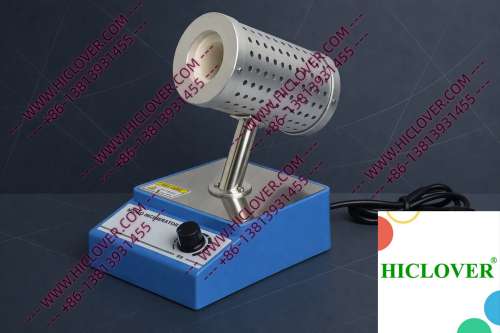
In the realm of modern laboratory practices, the sterile environment is not just a requirement; it’s a cornerstone of reliable results and safety. Water testing labs face unique biosafety challenges that necessitate precise sterilization workflows. The Micro Incinerator, also known as the Infrared Inoculating Loop Sterilizer, emerges as a robust solution that addresses these needs while enhancing laboratory efficiency and safety.
The Technical Principles Behind Micro Incinerators

Micro Incinerators utilize advanced infrared heat technology to achieve thermal sterilization efficiently. Unlike traditional flame sterilizers, which rely on open flames, these devices incorporate a sealed ceramic heating chamber that produces high temperatures instantaneously without aerosols or visible flames. This leads to several significant advantages:
- Rapid Thermal Sterilization: The unique design allows for immediate heating, which minimizes waiting times during sterilization.
- Contamination Control: The enclosed system prevents external contaminants from entering during the sterilization process.
- Clean-Bench-Safe: Operable within biosafety cabinets, the micro incinerator allows for safe and effective sterilization of tools and loops in a controlled environment.
Applications in Real Lab Scenarios
Scenario 1: Biosafety Cabinet Use
In BSL-2 and BSL-3 microbiology labs, where pathogenic organisms are handled, the Micro Incinerator proves invaluable. Inside a biosafety cabinet, researchers can sterilize tools like inoculating loops and needles effortlessly, minimizing the risk of contamination. The rapid temperature rise ensures that even the most resistant microbes are eradicated quickly, thereby maintaining the integrity of sensitive tests.
Scenario 2: Field Testing Laboratories
Field testing labs, often operating in less controlled environments, benefit from the portability and reliability of the Micro Incinerator. For example, in mobile laboratories deployed to assess water quality in rural areas, researchers can utilize these sterilizers to ensure that their samples remain uncontaminated, even under varying conditions. This enhances data accuracy and lab results, proving critical in environmental monitoring projects.
Compliance and Environmental Considerations
As laboratories strive to meet international safety standards, adherence to regulations set forth by organizations such as WHO becomes critical. Micro Incinerators serve an essential role in this regard:
- They comply with laboratory sterilization standards, providing peace of mind for lab managers.
- Using a Micro Incinerator eliminates the need for open flame sterilization, which is not permissible in clean rooms.
- The aerosol-free processing aligns with best practices for maintaining sterile environments, reducing the risk of airborne contaminants.
Particularly for labs in urban areas, such as those in cities like New York or London, adhering to local biosafety compliance regulations is critical to ensuring the safety of both personnel and the surrounding environment.
Micro Incinerator vs. Traditional Flame Burners
| Feature | Micro Incinerator | Flame Burners |
|---|---|---|
| Heating Method | Infrared | Open Flame |
| Speed of Sterilization | Immediate | Delayed |
| Contamination Risk | Low | High |
| Environmental Suitability | Clean Rooms and BSL | Not Suitable |
| Safety Non-compliance | Compliant | Potentially Non-compliant |
Frequently Asked Questions
What is a Micro Incinerator used for in the laboratory?
A Micro Incinerator is used for rapid thermal sterilization of inoculating loops and other laboratory tools to prevent contamination.
How does infrared heat differ from traditional flame sterilization?
Infrared heat provides a consistent, contained source of high temperature without an open flame, lowering the risk of accidents and contamination.
Can Micro Incinerators be used in the field?
Yes, Micro Incinerators are portable and well-suited for mobile laboratories conducting field tests, ensuring sterilization under various conditions.
Are Micro Incinerators compliant with safety regulations?
Yes, they meet key laboratory sterilization standards as set forth by WHO and are suitable for use in clean room environments.
Is the Micro Incinerator safe to use in university teaching labs?
Absolutely! The design minimizes risks, making it ideal for educational settings where students can learn effective sterilization practices safely.
Conclusion
In conclusion, the Micro Incinerator serves as an excellent solution for laboratories seeking to enhance their sterilization protocols. By shifting away from traditional flame-based methods, labs can improve biosafety compliance, streamline workflows, and ensure the integrity of their results. For laboratories in need of efficient, compliant, and contemporary sterilization solutions, the Micro Incinerator stands out as the tool of choice. Explore our range of Micro Incinerators today and elevate your laboratory’s sterilization practices.
Categories:
Tags: