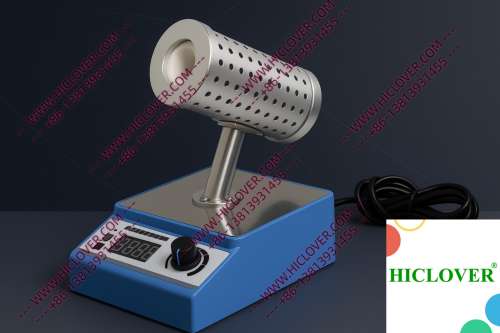
In today’s research environment, laboratory biosafety challenges have evolved, necessitating more advanced sterilization methods. Traditional flame sterilizers, such as alcohol lamps and Bunsen burners, are increasingly seen as risky alternatives in settings such as BSL-2 and BSL-3 microbiology labs. Rapid thermal sterilization and contamination control are paramount, particularly where aerosol-free handling and clean-bench-safe practices are essential for effective microbiological research.
Transforming Sterilization Workflow with Infrared Technology
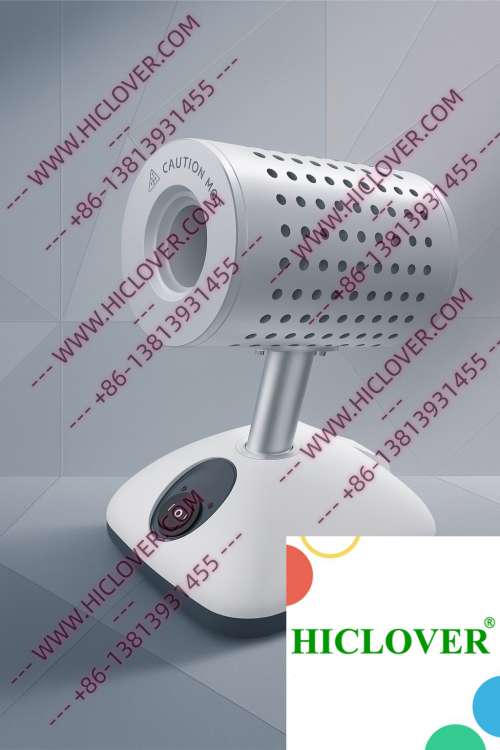
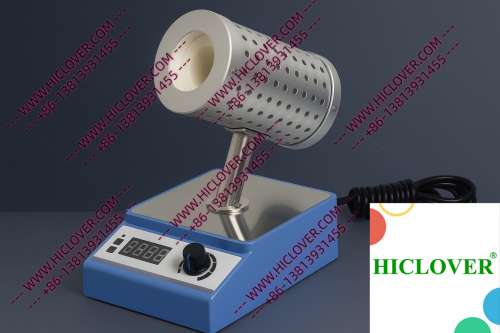
The introduction of sensor-controlled loop sterilizers, specifically the Micro Incinerator or Infrared Inoculating Loop Sterilizer, is revolutionizing the sterilization process. These devices employ infrared high-temperature disinfection, generating heat through an enclosed ceramic heating chamber. Infrared technology allows for precision in temperature control, ensuring efficient sterilization without the open flame risk associated with traditional methods.
Technical Principles Behind Micro Incinerators
Micro Incinerators utilize a ceramic tube that heats up quickly and uniformly. As the infrared radiation is absorbed directly by the inoculating loop, it eliminates potential microbes in mere seconds. This enclosed design minimizes the risk of cross-contamination, which is especially critical in environments such as:
- Biosafety cabinets where aseptic technique is vital
- Field-testing settings that prioritize portability and cleanliness
- University teaching labs where learning sterilization techniques can occur without the hazard of flames
- Clinical diagnostic labs
- Food safety testing
- Environmental monitoring
- What is the primary function of a Micro Incinerator?
The primary function is to rapidly sterilize inoculating loops and other microbiological tools through high-temperature infrared technology. - Is it safe to use the Micro Incinerator in a biosafety cabinet?
Yes, it is designed for use in biosafety cabinets, facilitating safe and effective sterilization without the risks associated with open flames. - Can Micro Incinerators be used in teaching labs?
Absolutely, they provide a practical way for students to learn about sterilization while maintaining safety protocols. - How does the infrared sterilization process work?
The device emits infrared radiation that is absorbed by the inoculating loop, quickly raising the temperature to kill microorganisms without combustion. - Where can I purchase a Micro Incinerator?
You can acquire a Micro Incinerator through laboratory equipment distributors or directly from manufacturers that specialize in sterilization technology.
Application Scenarios in Real Labs
1. Biosafety Cabinets: In a BSL-2 laboratory, researchers handle pathogenic organisms that require rigorous sterilization processes. Using a Micro Incinerator within these cabinets not only enhances safety but also ensures compliance with biosafety protocols, significantly reducing the risk of contamination.
2. Field Testing: Vaccine research often involves mobile labs that need reliable cleaning equipment. The portability and ease of use of infrared sterilizers are critical in these scenarios. Technicians can obtain rapid results while ensuring that the equipment remains clean and efficient, without the hazards of open flames.
Compliance and Environmental Considerations
Compliance with WHO biosafety standards is non-negotiable in laboratory settings. The use of traditional flame-based sterilization methods poses several challenges concerning safety regulations in clean rooms. The Micro Incinerator helps meet stringent sterilization standards without introducing fire hazards, making it a suitable choice for sensitive environments, including:
Advantages of Infrared Inoculating Loop Sterilizers
The advantages of using Micro Incinerators over traditional flame sterilizers are robust. Below is a comparison to clearly illustrate these benefits:
| Feature | Micro Incinerator | Traditional Flame Sterilizers |
|---|---|---|
| Heat Source | Infrared | Open Flame |
| Heating Time | Rapid (seconds) | Slower |
| Safety | Aerosol-free, no open flame | Fire hazard, aerosol production |
| Energy Efficiency | High | Lower |
| Ease of Use | User-friendly controls | Requires skill to operate |
Frequently Asked Questions
Conclusion
The evolution of sterilization processes is critical to maintaining biosafety in laboratory environments. The Micro Incinerator / Infrared Inoculating Loop Sterilizer stands at the forefront of this change, combining precision, safety, and efficiency in one compact unit. For research centers, hospitals, universities, and NGOs seeking to enhance their sterilization workflow, investing in this state-of-the-art equipment is a pivotal step. Reach out today to explore how these advanced sterilization solutions can elevate your laboratory practices.
Categories:
Tags: