
In today’s fast-paced research environments and clinical settings, safety is paramount. Laboratories, especially those working within BSL-2 and BSL-3 containment, face significant biosafety challenges. Contamination control is a critical concern, particularly within settings that require rapid thermal sterilization for inoculating loops and other tools. The advent of low-smoke sterilization technologies, such as the Micro Incinerator, is transforming the approach to sterilization procedures, enhancing both efficiency and safety.
Understanding Micro Incineration: The Technical Backbone
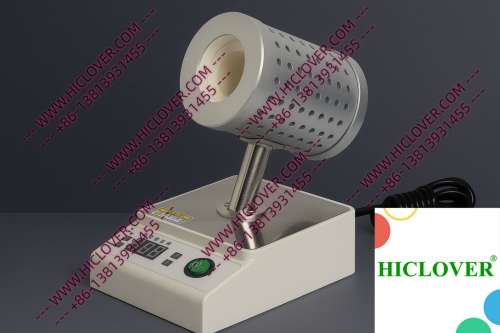
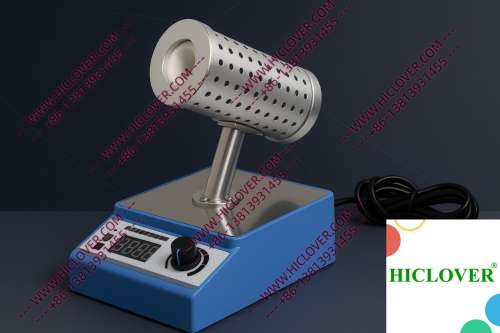
The Micro Incinerator, or Infrared Inoculating Loop Sterilizer, employs advanced infrared heating technology to provide high-temperature disinfection without the hazards associated with traditional flame sterilizers. Unlike alcohol lamps or Bunsen burners, which can release harmful vapors and pose a fire risk, the Micro Incinerator utilizes a ceramic heating chamber that generates intense heat directed precisely at inoculating loops through an enclosed design. This ensures effective sterilization while minimizing the risks of aerosol contamination and exposure to open flames.
- Rapid Thermal Sterilization: Achieves temperatures of up to 800°C, ensuring swift and thorough sterilization.
- Enclosed Ceramic Tube: Robust design that confines heat and prevents heat loss.
- No Smoke Emissions: Low environmental impact suitable for clean room scenarios.
- Aerosol-Free Handling: Enhanced biosafety in laboratory environments.
- How does the Micro Incinerator ensure safety in labs?
It eliminates open flames and reduces the emission of harmful aerosols during sterilization processes.
- What is the typical lifespan of a Micro Incinerator?
With proper maintenance, a Micro Incinerator can last several years, providing consistent performance throughout its lifecycle.
- Can the Micro Incinerator be used in BSL-2 labs?
Yes, it is suitable for all levels of biosafety, including BSL-2 and BSL-3 environments.
- What kind of training is required to use the Micro Incinerator?
Basic training in sterilization techniques and equipment operation is recommended to ensure safe and effective use.
- Is the Micro Incinerator easy to integrate into existing workflows?
Absolutely. Its compact design and quick operational capabilities make it an easy fit for various laboratory settings.
Application Scenarios: Real-World Usage in Labs
Micro Incinerators are becoming indispensable in various laboratory settings, where they streamline workflows and enhance safety protocols. Below are two notable application scenarios:
1. University Teaching Labs
In academia, teaching labs must balance educational efficacy with student safety. The Micro Incinerator allows students to sterilize inoculating loops quickly and safely, making it easier to demonstrate microbiological techniques without the fear of flame hazards or biological contamination. This technology not only enriches the learning experience but also instills best practices in laboratory safety.
2. Clinical Diagnostics and BSL-3 Laboratories
In clinical settings, particularly those in diagnostic labs working with potentially hazardous pathogens, the Micro Incinerator has revolutionized sterilization protocols. It is especially valuable in BSL-3 labs, where the utmost care is essential for controlling contamination. Facilitating rapid sterilization off equipment ensures that operations can proceed without interrupting the critical flow of diagnostics.
Compliance and Environmental Considerations
When selecting laboratory sterilization equipment, compliance with recognized standards is non-negotiable. The World Health Organization (WHO) recommends stringent biosafety measures that align with laboratory sterilization standards. For instance, utilizing flame sterilizers in clean rooms is highly discouraged due to the risk of creating aerosols and introducing contaminants. The low-smoke sterilization offered by Micro Incinerators complies not only with these safety standards but also supports laboratories aiming for environmentally responsible practices.
Biosafety Compliance Reference
The WHO suggests that proper sterilization techniques are crucial for laboratory safety. Laboratories must adhere to guidances that promote the safe use of sterilization tools, avoiding practices that might compromise air quality and biological safety.
Feature Comparison: Micro Incinerator vs. Traditional Flame Burners
| Feature | Micro Incinerator | Flame Burner |
|---|---|---|
| Temperature Control | Up to 800°C, precise and adjustable | Variable, dependent on fuel supply |
| Environment Safety | No open flames, low smoke | Open flames, potential fire hazards |
| Operational Efficiency | Rapid, continuous operation | Requires time to ignite and extinguish |
| Portability | Lightweight, easy to use in various settings | Heavy and less convenient to relocate |
| Risk of Contamination | Minimal, aerosol-free | Higher risk due to open flames |
Frequently Asked Questions (FAQs)
Conclusion: Enhance Your Laboratory Safety Today
The introduction of low-smoke sterilization technologies, particularly the Micro Incinerator, represents a significant advancement in laboratory safety and sterilization workflow efficiency. By transitioning from traditional flame sterilizers to this innovative solution, laboratories can not only enhance compliance with healthcare standards but also protect staff and patients. Explore the benefits of the Micro Incinerator for your laboratory today—contact us to learn more about how we can assist you in elevating your sterilization processes.
Categories:
Tags: