
In today’s fast-paced laboratory environments, maintaining biosafety standards while ensuring rapid operational efficiency is critical. Traditional sterilization methods, such as alcohol lamps and Bunsen burners, pose significant challenges in contamination control, particularly in sensitive procedures involving microorganisms. Particularly in BSL-2 and BSL-3 labs, the need for a reliable and effective sterilization solution is more pressing than ever. Enter the Micro Incinerator, a specialized infrared inoculating loop sterilizer, designed to meet the evolving demands of laboratory sterilization.
The Technical Principle of Micro Incinerators
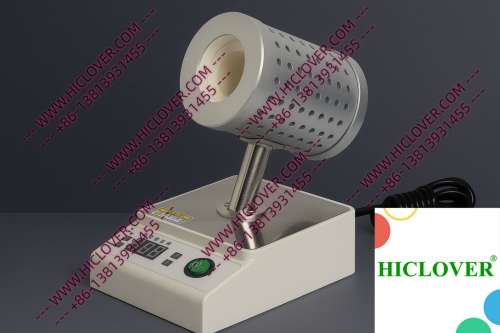
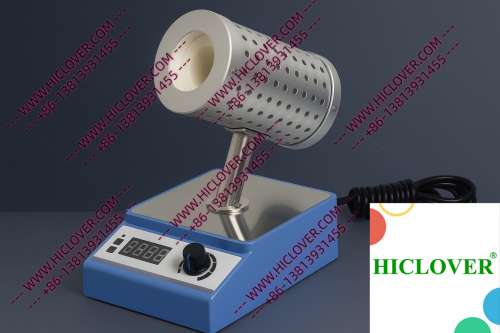
The Micro Incinerator utilizes cutting-edge infrared heat technology, which is not only efficient but also provides enhanced safety. Unlike traditional flame sterilizers that can produce hazardous aerosols or lead to cross-contamination due to open flames, the Micro Incinerator features an enclosed ceramic heating chamber. This design ensures that the sterilization process is not only swift but also safe, adhering to the highest laboratory standards.
The infrared heating element reaches optimal sterilization temperatures within seconds, allowing for rapid thermal sterilization of inoculation loops, needles, and other small instruments. This high-temperature disinfection method eliminates bacteria and viruses, ensuring that procedures are conducted without the risk of contamination.
Applications of Micro Incinerators in Laboratory Settings
- Biosafety Cabinets: In contexts where microbial work is performed, such as in BSL-2 laboratories, Micro Incinerators are an excellent choice for sterilizing tools used within a biosafety cabinet. Their compact design allows easy integration while ensuring that airborne contaminants are reduced.
- Field Testing: For mobile or field testing labs, where portability and efficiency are essential, Micro Incinerators offer a lightweight alternative to bulky flame sterilizers. They enable researchers to maintain biosafety standards, even in outdoor environments.
- University Teaching Labs: Educators can utilize these sterilizers in teaching labs, ensuring students learn proper sterilization techniques without the hazards associated with traditional flame-based methods.
- What makes a Micro Incinerator safer than traditional sterilizers? – Its enclosed design eliminates the risk of open flames and aerosol contamination, providing a much safer working environment.
- Can Micro Incinerators be used in BSL-3 labs? – Absolutely, they are particularly well-suited for BSL-2 and BSL-3 labs due to their adherence to strict biosafety standards.
- Are Micro Incinerators portable for field applications? – Yes, their compact size makes them ideal for use in field testing scenarios.
- How quickly do they achieve sterilization temperatures? – Micro Incinerators can reach sterilization temperatures in less than 10 seconds, compared to traditional methods.
- Do they comply with WHO biosafety standards? – Yes, they are designed to meet or exceed international biosafety and laboratory sterilization standards.
Compliance and Environmental Impact
Compliance with international biosafety standards is paramount in laboratory operations. The World Health Organization (WHO) outlines stringent protocols for laboratory sterilization, particularly in research and medical facilities. In clean rooms and controlled environments, the absence of an open flame is crucial to prevent dust and contaminants from settling.
Micro Incinerators align with these regulations not only through their flame-free design but also by maintaining cleanliness and enhancing the overall laboratory environment. They contribute to a culture of safety, promoting aerosol-free handling and decreasing the potential for chemical exposure both for lab personnel and the environment.
Advantages of Micro Incinerators Over Traditional Flame Sterilizers
| Feature | Micro Incinerator | Flame Burners |
|---|---|---|
| Speed of Sterilization | Immediate (~5 seconds) | Variable (~30 seconds) |
| Risk of Contamination | Minimal (aerosol-free) | High (flame can disturb surroundings) |
| Ease of Use | One-button operation | Requires skill to maintain flame |
| Environmental Safety | Flame-free operation | Potential risk of fumes |
Frequently Asked Questions
Conclusion
In conclusion, Micro Incinerators are revolutionizing sterile techniques in laboratories, especially in environments where maintaining high biosafety levels is vital. Their rapid thermal sterilization capabilities and safety features render them superior to traditional flame sterilizers. As researchers, educators, and medical professionals seek reliable sterilization solutions that align with modern safety standards, investing in a Micro Incinerator is not only a strategic choice but also a step towards enhancing laboratory workflow.
For more information or to make a purchase, feel free to contact us—we’re here to assist you with the best laboratory sterilization solutions available!
Categories:
Tags: