
In the world of laboratory biosafety, the need for robust sterilization methods cannot be overstated. Laboratories continuously grapple with issues of contamination, especially in environments that demand strict adherence to biosafety protocols. Rapid thermal sterilization is crucial for maintaining the integrity of experiments and ensuring the safety of both personnel and specimens. Traditional methods, such as flame sterilizers, can pose various challenges, from the introduction of aerosolized pathogens to the inefficiency of repeated flame reignition. This is where innovative solutions like Touchless Loop Incineration technologies, specifically the Micro Incinerator / Infrared Inoculating Loop Sterilizer, come into play.
Understanding the Technical Principles
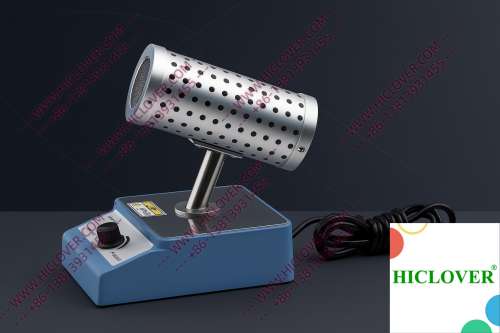
The core principle behind the Micro Incinerator involves the process of infrared high-temperature disinfection. This technology utilizes a ceramic heating chamber, which produces precise, localized infrared heat. Unlike traditional flame methods that can create variable temperatures and carry significant risks of burning or incomplete sterilization, the Micro Incinerator facilitates a controlled environment, eliminating the risk of flame-related hazards. The enclosed ceramic tube not only provides effective heat management but also ensures that aerosols are contained, drastically reducing the risk of cross-contamination.
Advantages Over Traditional Flame Sterilizers
- Enhanced Safety: No open flames reduce the risk of ignition in sensitive environments.
- Efficient Sterilization: Rapid thermal sterilization limits the time required for effective sterilization.
- Aerosol-Free Handling: Contained process minimizes contamination risks associated with traditional flame methods.
- Eco-Friendly Operation: Less environmental impact compared to burning alcohol or other flammable substances.
- What is the main advantage of using a Micro Incinerator over a traditional flame sterilizer?
The main advantage is its ability to provide a controlled, flame-free sterilization that reduces contamination risks while enhancing safety. - Can Micro Incinerators be used in BSL-3 labs?
Yes, Micro Incinerators are compliant with requirements for BSL-3 laboratories, ensuring high safety standards for handling pathogenic organisms. - How does the Micro Incinerator achieve rapid thermal sterilization?
Its advanced ceramic heating chamber utilizes infrared heat to sterilize tools quickly and effectively. - Is the Micro Incinerator harmful to the environment?
No, it is designed to be eco-friendly, minimizing the environmental impact associated with traditional flame-using methods. - What maintenance is required for a Micro Incinerator?
Regular cleaning of the ceramic chamber and ensuring proper electrical maintenance are essential for optimal functionality.
Application Scenarios in Real Labs
As professionals in various laboratory settings seek effective biosafety solutions, the Micro Incinerator finds its applications across multiple scenarios:
1. Biosafety Cabinets
In BSL-2 and BSL-3 microbiology labs, where pathogens need to be handled with the utmost care, the Micro Incinerator stands as a reliable sterilization tool. By utilizing this device inside a biosafety cabinet, laboratory personnel can safely sterilize inoculating loops and other tools without the risk of flames contaminating the workspace. This ensures a sterile environment that supports high-stakes research while complying with strict biosafety standards.
2. University Teaching Labs
In academic settings, particularly in microbiology and biology courses, the Micro Incinerator is invaluable. Inoculating loops used by students must be effectively sterilized to prevent contamination. The convenience of infrared sterilization allows instructors to demonstrate best practices without the dangers associated with open flames. Furthermore, its ease of use encourages learners to follow sterilization protocols diligently.
Compliance and Environmental Considerations
Laboratories are often required to comply with numerous regulations and standards regarding sterilization practices. Organizations such as the World Health Organization (WHO) outline crucial biosafety standards that laboratories must adhere to minimize hazards. For instance:
“Sterilization processes for laboratory applications must prevent any possible cross-contamination that could lead to research inaccuracies or potential health risks.”
The Micro Incinerator aligns perfectly with these guidelines. Its design ensures compliance with rigorous lab sterilization standards, providing a clean-bench-safe solution for biohazardous material handling. Moreover, eliminating an open flame is critical in clean rooms, where the risk of fire must be kept to an absolute minimum.
Regional References
In regions like the United States and Germany, adherence to local biosafety regulations in laboratories can dictate the adoption of equipment like the Micro Incinerator. Specialized clinical diagnostics and research centers are experiencing a growing demand for environmentally friendly and efficient sterilization methods, establishing Touchless Loop Incineration technology as a sought-after product in the sterilization equipment market.
FAQs
Conclusion
As the landscape of laboratory technologies evolves, embracing sustainable solutions is more critical than ever. The Micro Incinerator / Infrared Inoculating Loop Sterilizer not only addresses the immediate sterilization needs of modern laboratories but also reshapes how professionals approach biosafety and contamination control. By opting for this innovative equipment, institutions can significantly enhance their operational workflows and compliance adherence.
If you’re looking to upgrade your laboratory’s sterilization processes or require further information about how the Micro Incinerator can benefit your facility, don’t hesitate to reach out.
Categories:
Tags: