
Laboratories face increasing challenges in maintaining biosafety and contamination control. Traditional flame-based sterilizers, including alcohol lamps and Bunsen burners, have proven insufficient in many settings due to safety concerns, efficiency limitations, and the need for compliance with contemporary laboratory standards. As a result, many labs are transitioning to modern electric heating sterilizers, such as the Micro Incinerator / Infrared Inoculating Loop Sterilizer, which offers a swift and effective solution for sterilization workflows.
Understanding the Technical Principles of Electric Heating Sterilizers
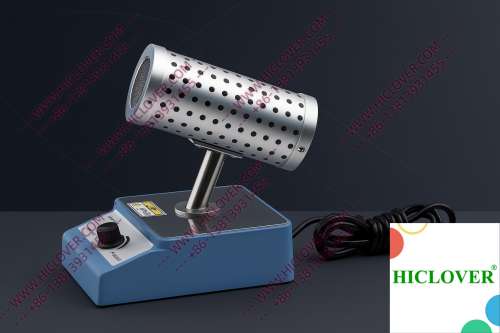
The Micro Incinerator leverages infrared heat technology, enabling rapid thermal sterilization while maintaining user safety. At its core, the sterilizer employs a high-temperature heating element enclosed within a ceramic chamber, which enhances temperature stability and minimizes the risk of flame-related accidents. The infrared heating principle allows for immediate disinfection of inoculating loops and other lab instruments, significantly reducing wait times and improving overall workflow in high-throughput laboratories.
Comparative Advantages Over Traditional Flame Sterilizers
When comparing the Micro Incinerator to traditional flame sterilizers, several factors highlight its superiority:
| Feature | Micro Incinerator | Traditional Flame Sterilizers |
|---|---|---|
| Heating Method | Infrared electric | Open flame |
| Safety | Flame-free, reduces fire hazards | Risk of fire and burns |
| Contamination Control | Aerosol-free handling | Potential for contamination by open flame |
| Startup Time | Instant on/off | Requires time to ignite |
| Energy Efficiency | Low power consumption | High energy consumption |
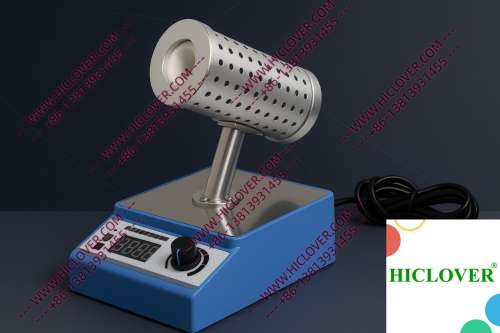
Applications in Real Laboratories
1. Biosafety Cabinet Utilization
In BSL-2 and BSL-3 microbiology labs, sterile environments are paramount. The Micro Incinerator can be utilized within biosafety cabinets (BSCs) to effectively sterilize inoculating loops and other instruments while limiting contamination from aerosols. With the ability to rapidly sterilize tools without an open flame, laboratory personnel can maintain a clean working environment, ensuring that cultures remain uncontaminated during experimentation.
2. Field Testing Efficiency
Field testing often involves rapid sample collection and analysis under variable conditions. The lightweight design and portability of the Micro Incinerator make it ideal for use in mobile labs. Field researchers can easily sterilize instruments on-site, ensuring that samples are not contaminated with extraneous microbes, which is crucial for accurate results—especially in clinical diagnostics and environmental monitoring.
Regulatory Compliance and Environmental Considerations
Adhering to standards set by the World Health Organization (WHO) and other laboratory sterilization guidelines is critically important in modern laboratories. Compliance with these regulations ensures safety and efficacy in laboratory operations, especially when working with infectious agents. The Micro Incinerator’s electric nature alleviates concerns associated with the open flames required by traditional sterilizers, making it suitable for use in cleanrooms and environments where contamination control is essential.
- WHO biosafety guidelines for laboratory operations
- ISO 13485 for medical device sterilization
- Occupational safety regulations regarding flame use
Additional benefits include energy efficiency and minimal environmental impact due to lower emissions compared to traditional flame burners, thus aligning with sustainable laboratory practices.
Frequently Asked Questions (FAQs)
1. What are the key benefits of using a Micro Incinerator in laboratory settings?
The Micro Incinerator provides rapid thermal sterilization, enhances safety with no open flame, and ensures effective contamination control while streamlining workflow efficiency.
2. Can the Micro Incinerator be used in cleanroom environments?
Yes, the flame-free design makes it entirely suitable for cleanroom operations where contamination must be minimized.
3. How does the Micro Incinerator improve safety in the lab?
With no open flame, the risk of fire hazards, burns, or smoke is virtually eliminated, providing a safer workspace for laboratory personnel.
4. Is the Micro Incinerator easy to use?
Absolutely! It features instant on/off capabilities and requires minimal training for personnel to operate effectively.
5. How does the Micro Incinerator take environmental considerations into account?
The device’s low energy consumption and reduced emissions during operation make it a more environmentally friendly option compared to traditional flame sterilizers.
Conclusion: Transforming Laboratory Practices
As laboratories evolve and adapt to new challenges, the demand for efficient, safe, and compliant sterilization solutions grows. The Micro Incinerator / Infrared Inoculating Loop Sterilizer stands out as an innovative replacement for traditional flame sterilizers, offering a multitude of benefits that enhance both laboratory workflows and biosafety. If you are looking to optimize your lab’s sterilization practices, consider investing in this cutting-edge equipment. For inquiries or to schedule a demo, please contact us today!