
In the world of laboratory biosafety, the need for effective sterilization of tools and surfaces is paramount. Laboratories face numerous challenges when it comes to contamination control, particularly in high-stakes environments such as BSL-2 and BSL-3 microbiology labs, clinical diagnostics, and university teaching labs. Traditional methods, such as alcohol lamps and Bunsen burners, while commonly utilized, often fall short due to safety concerns and inefficiency. Enter the Micro Incinerator or Infrared Inoculating Loop Sterilizer, an innovative solution designed to enhance sterilization workflows.
Technical Principles of Infrared Sterilization
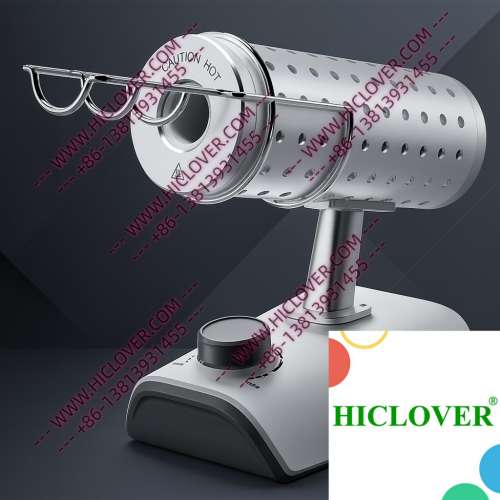
The Micro Incinerator leverages the principle of rapid thermal sterilization using infrared heat generated in an enclosed ceramic tube. This advanced heating technology ensures that inoculating loops and other materials reach high temperatures quickly, achieving effective sterilization in seconds. The ceramic heating chamber is designed to withstand extreme conditions, allowing for consistent and reliable performance. This method not only eliminates the risk of flame-related accidents in sensitive environments—like clean rooms—but also reduces the generation of hazardous aerosols during the sterilization process.
Key Features of Micro Incinerators
- Rapid Heating: Achieves sterilization in merely 3-5 seconds.
- Contamination Control: Reduces the risk of cross-contamination through aerosol-free handling.
- High Safety Standards: Flame-free operation makes it appropriate for clean-bench applications.
- Portability: Compact design allows for use in mobile labs and field testing environments.
- Flame-free operation aligns with cleanroom protocols, minimizing the risk of particulate contamination.
- Meets WHO biosafety requirements for sterilization of biological materials.
- Supports aerosol-free handling, critical in preventing cross-contamination in sensitive applications.
Application Scenarios in Real Labs
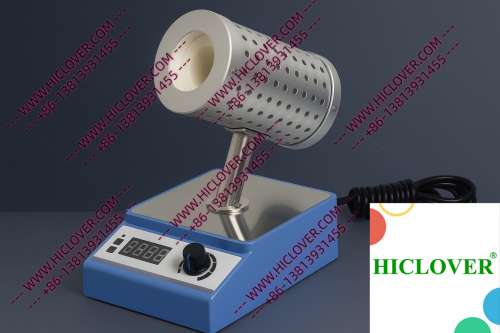
Micro Incinerators offer versatile applications across various laboratory settings. Here are a couple of scenarios highlighting their effectiveness:
1. Use in Biosafety Cabinets
In a BSL-2 laboratory setting, researchers often rely on biosafety cabinets to protect both the researchers and the samples. The use of a Micro Incinerator within these cabinets allows for immediate sterilization of inoculating loops and other tools without risking contamination from flame-based methods. This is crucial in maintaining a sterile environment and independently complying with WHO biosafety standards.
2. Field Testing Uses
In mobile or field testing labs, researchers may need to sterilize tools while working in diverse and often unpredictable environments. The portability of the Micro Incinerator makes it an ideal choice in these situations. For example, in environmental microbiology, scientists can use the incinerator to quickly sterilize inoculating loops at sampling sites, ensuring that results remain accurate and uncontaminated.
Compliance and Environmental Considerations
Laboratories are subject to stringent sterilization standards set forth by organizations like the World Health Organization (WHO) and other local regulatory bodies. Compliance with laboratory sterilization standards is non-negotiable, as any oversight can lead to serious consequences, including contamination and compromised research integrity. Using a Micro Incinerator ensures adherence to safety protocols:
Comparison of Micro Incinerator vs. Traditional Flame Burners
| Feature | Micro Incinerator | Flame Burners (Alcohol Lamps/Bunsen Burners) |
|---|---|---|
| Safety | Flame-free operation | Flame risk, potential for accidents |
| Efficiency | Rapid thermal sterilization in seconds | Slower heating and cooling times |
| Aerosol Generation | Zero aerosol production | Potential for aerosol during flame use |
| Portability | Compact and portable | Generally less portable as it requires fuel |
Frequently Asked Questions
What makes the Micro Incinerator safer than traditional sterilization methods?
The Micro Incinerator operates without an open flame, significantly reducing the risk of burns and accidents, especially in enclosed spaces like biosafety cabinets.
Can the Micro Incinerator be used in field laboratories?
Yes, its compact design and efficient heating make it ideal for mobile labs conducting field tests.
Is the Micro Incinerator compliant with international sterilization standards?
Absolutely, it complies with WHO biosafety standards and is suitable for laboratory environments requiring strict sterilization protocols.
How long does it take to sterilize an inoculating loop with the Micro Incinerator?
It takes just 3-5 seconds to achieve rapid thermal sterilization, greatly enhancing workflow efficiency.
What are the advantages of using infrared sterilization over flame sterilization?
Infrared sterilization offers quicker sterilization times, better safety due to the absence of flames, and no generation of harmful aerosols.
Conclusion
As labs continue to evolve and meet the rising standards of biosafety and efficiency, innovative sterilization solutions like the Micro Incinerator / Infrared Inoculating Loop Sterilizer are essential. By choosing advanced thermal technologies, laboratories can enhance their contamination control efforts while promoting a safer working environment. For product inquiries or to discover how the Micro Incinerator can benefit your laboratory, we invite you to reach out to our team today!
Categories:
Tags: