
In laboratory environments where precision and safety are paramount, the challenge of contamination control often looms large. These demands are particularly evident in mobile labs that need robust, adaptable solutions for sterilization without compromising the integrity of their experiments. Among the plethora of laboratory sterilization equipment available, the Micro Incinerator, also known as the Infrared Inoculating Loop Sterilizer, emerges as a groundbreaking solution designed to enhance biosafety and operational efficiency.
Understanding the Micro Incinerator: Technical Principles and Design
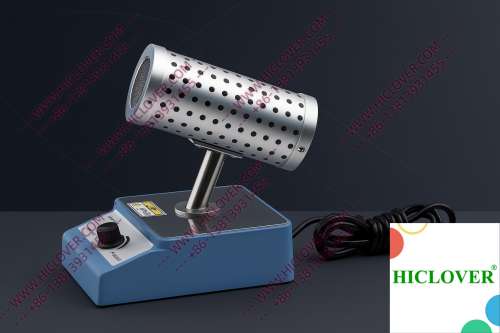
The Micro Incinerator leverages the power of rapid thermal sterilization using infrared heat. Unlike traditional flame sterilizers, such as alcohol lamps and Bunsen burners, the Micro Incinerator features an enclosed ceramic heating chamber, allowing for aerosol-free handling. This design minimizes risks associated with open flames and eliminates the possibility of hazardous spills commonly found in flame-based systems.
The device operates by generating high temperatures within a fraction of a second, making it highly efficient for the sterilization of inoculating loops, tips, and other small instruments. The ceramic tube not only provides a stable heating source but also ensures uniform temperature distribution, which is critical for effective sterilization.
Application Scenarios in Real Laboratories
1. University Teaching Labs
In university settings, particularly in microbiology and biotechnology courses, students are often tasked with handling potentially hazardous microorganisms. Implementing a Micro Incinerator within the laboratory allows for quick and efficient sterilization of equipment. The non-flame design ensures that students can work safely in close quarters, minimizing risks associated with fire hazards.
2. Field Testing Laboratories
Mobile labs often operate in diverse environments, needing versatile equipment that can withstand various conditions. The Micro Incinerator is ideal for field testing scenarios, such as environmental monitoring or clinical diagnostics, where rapid sterilization is crucial in preventing cross-contamination of samples. Its lightweight and portable design allows for easy transportation, making it an indispensable tool for field researchers.
Compliance and Environmental Considerations
Adhering to global laboratory sterilization standards is critical for maintaining safety and efficacy in testing environments. According to the World Health Organization (WHO) biosafety guidelines, keeping labs free from contamination is vital, especially in settings handling BSL-2 and BSL-3 microorganisms. The use of flame sterilizers often contradicts these policies, as they present risks of aerosols and uncontrolled fire hazards.
Moreover, using a Micro Incinerator in cleanrooms follows the necessary environmental regulations by eliminating flame emissions, ensuring a clean, sterile working area that aligns with both safety and sustainability goals. In jurisdictions like New York and California, strict compliance with safety regulations makes such devices not only a recommendation but a necessity for laboratories.
Advantages Over Traditional Flame Sterilizers
The shift from traditional flame sterilizers to advanced devices like the Micro Incinerator presents several notable advantages:
- Increased Safety: The absence of an open flame reduces fire hazards.
- Enhanced Efficiency: Rapid heating capabilities allow for immediate sterilization.
- Minimal Contamination Risk: Aerosol-free operations limit the spread of pathogens.
- Cleaner Environment: Contributes to maintaining cleanroom integrity.
Comparison Table: Micro Incinerator vs. Traditional Flame Burners
| Feature | Micro Incinerator | Flame Burners |
|---|---|---|
| Heating Method | Infrared | Open Flame |
| Aerosol Risk | None | High |
| Efficiency | Immediate | Delayed |
| Portability | High | Limited |
| Compliance | Meets WHO Standards | May Violate Cleanroom Standards |
Frequently Asked Questions
- What types of laboratory environments can benefit from a Micro Incinerator?
The Micro Incinerator is ideal for BSL-2 and BSL-3 labs, teaching facilities, and mobile testing sites. - How does the Micro Incinerator ensure safety?
It eliminates open flames, reduces aerosol risks, and operates within a contained environment for enhanced safety. - Is the Micro Incinerator compliant with international biosafety standards?
Yes, it meets and exceeds WHO biosafety and sterilization standards, making it suitable for sensitive environments. - What makes the Micro Incinerator more efficient than traditional flame sterilizers?
Its ability to achieve high temperatures rapidly without delays significantly enhances sterilization workflow. - Can the device be used in cleanrooms?
Absolutely, the Micro Incinerator is designed to maintain the integrity of clean environments and is compliant with cleanroom regulations.
Conclusion
As the laboratory landscape continues to evolve, embracing innovative safety and sterilization solutions like the Micro Incinerator is crucial for enhanced biosafety and operational efficiency. Whether you are a laboratory supply distributor, a hospital seeking compliance, or an academic institution looking to improve training environments, investing in advanced sterilization technology can pave the way for safer and more effective laboratory operations. Contact us today to learn more about how the Micro Incinerator can revolutionize your laboratory’s sterilization process!
Categories:
Tags: