
In today’s laboratories, maintaining stringent biosafety standards is paramount, especially in biosafety level (BSL) 2 and 3 microbiology labs. The sterilization of tools and equipment is vital to prevent cross-contamination and ensure accurate results. However, the conventional methods of sterilization, such as alcohol lamps and Bunsen burners, pose significant challenges. These traditional flame sterilizers not only require open flames but also can introduce contaminants into a clean environment. Enter the automatic Micro Incinerator / Infrared Inoculating Loop Sterilizer—a revolutionary technology that addresses these issues with efficiency and reliability.
Understanding the Technical Principles
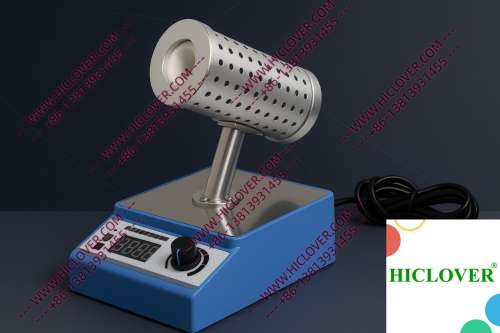
The Micro Incinerator operates on the principle of rapid thermal sterilization. Utilizing infrared heat technology, it achieves high temperatures quickly within a safe, enclosed ceramic heating chamber. This design minimizes the risk of contamination, making it a clean-bench-safe option. The infrared heating element generates a uniform distribution of heat that effectively sterilizes inoculating loops, needles, and other laboratory instruments in seconds, without the risk of flames or aerosols that traditional sterilizers create.
Configuration and Features of Micro Incinerators
- Automatic Operation: The automatic feature ensures consistent performance, reducing the risk of human error.
- Fast Heat-Up Time: The Micro Incinerator reaches operating temperatures in just a few seconds, significantly enhancing workflow.
- Energy Efficient: Consumes less energy compared to gas burners, contributing to sustainability.
- Compact Design: Ideal for laboratory benches where space is limited.
- Minimal Maintenance: The durable ceramic components require less upkeep than traditional burners.
- Biosafety Cabinets: These cabinets are critical in BSL-2 and BSL-3 labs. The Micro Incinerator can be used inside a biosafety cabinet to sterilize tools without compromising the integrity of the containment environment. Its no-flame operation ensures that the sterility of the workspace is maintained while effectively eliminating microorganisms on the sterilized implements.
- Field Testing Labs: In mobile or field testing applications, the portability and compactness of the Micro Incinerator make it an ideal choice. In situations where traditional sterilizers may be impractical, this device allows researchers to ensure their tools remain sterile, even in challenging environments.
Application Scenarios in Real Laboratories
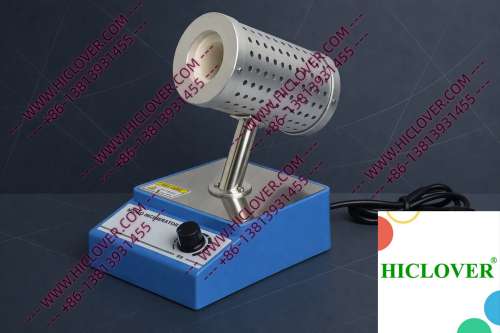
Micro Incinerators find their place in various laboratory settings, enhancing biosafety workflows and operational efficiencies.
Compliance and Environmental Considerations
When it comes to laboratory sterilization, compliance with international standards such as those set by the World Health Organization (WHO) is crucial. Traditional flame sterilizers introduce risks, including open flames in clean environments and potential aerosol generation during use. The Micro Incinerator aligns with essential safety protocols for laboratory environments and is suitable for cleanroom applications where no flames are permitted. Furthermore, it adheres to robust lab sterilization standards, ensuring a responsible approach to contamination control.
Your lab’s integrity isn’t worth taking chances with contamination. Adopt technologies that ensure compliance and enhance safety.
Comparison: Micro Incinerator vs. Traditional Flame Burners
| Feature | Flame Burners | |
|---|---|---|
| Operation | Automatic | Manual |
| Heat Source | Infrared | Open Flames |
| Contamination Risk | Minimal | High |
| Energy Efficiency | High | Moderate |
| Maintenance | Low | High |
FAQs About Micro Incinerators
What is a Micro Incinerator, and how does it work?
A Micro Incinerator is a laboratory sterilization device that uses infrared heat to rapidly disinfect tools and instruments. Its design features a ceramic heating chamber that effectively eliminates microorganisms without open flames.
Why should I choose a Micro Incinerator over traditional flame sterilizers?
Micro Incinerators provide numerous advantages, including improved safety with no open flames, reduced contamination risks, and faster sterilization times, making them an essential part of modern laboratory workflows.
How does the Micro Incinerator comply with WHO biosafety standards?
The Micro Incinerator operates without flames, which makes it safe for use in clean environments, aligning with WHO’s guidelines for biosafety and preventing contamination.
Can a Micro Incinerator be used in field testing applications?
Yes, its compact design and portability make it ideal for use in field testing labs, allowing researchers to sterilize instruments safely and efficiently outside traditional laboratory settings.
What are the maintenance requirements for a Micro Incinerator?
The Micro Incinerator is designed for low maintenance, primarily involving periodic cleaning of the ceramic components to ensure optimal performance.
Conclusion
The adoption of Micro Incinerators in laboratory sterilization is a game-changer for urban waste management and contamination control. They present a safe, efficient, and environmentally friendly alternative to traditional methods. By investing in this advanced sterilization equipment, laboratories can enhance their biosafety practices, minimize contamination risks, and streamline workflows. If you are interested in upgrading your laboratory sterilization equipment, feel free to contact us today for more information on our range of Micro Incinerators and how they can meet your specific needs.
Categories:
Tags: