
In today’s fast-paced laboratory environments, ensuring biosafety and maintaining sterile conditions is paramount. Researchers and laboratory technicians face numerous challenges regarding contamination control and sterilization workflows. Traditional sterilization methods, such as alcohol lamps or Bunsen burners, have limitations that can compromise efficiency and safety. To address these challenges, Micro-Incinerators, specifically the Infrared Inoculating Loop Sterilizer, are now at the forefront of laboratory sterilization equipment, offering enhanced safety and effectiveness.
Understanding the Technical Principles of Micro-Incinerators
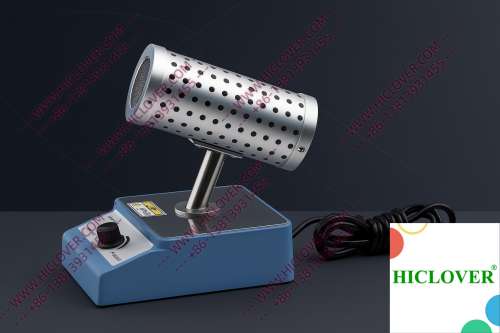
Micro-Incinerators utilize infrared heat to achieve rapid thermal sterilization. This innovative approach is centered around an enclosed ceramic heating chamber that reaches temperatures sufficient for high-temperature disinfection, eliminating microbial contaminants efficiently. The infrared technology ensures that the sterilization process is focused and direct, resulting in reduced exposure to unnecessary heat and minimizing the risk of introducing aerosols into a cleanroom environment.
Key Configurations
- Enclosed Design: Prevents the risk of open flames and promotes a clean working environment.
- Ergonomic Features: Easy handling and accessibility for laboratory personnel.
- Temperature Control: Adjustable settings for various sterilization needs.
- Fast-Acting: Achieves sterilization within seconds, boosting workflow efficiency.
- What is the primary advantage of using a Micro-Incinerator?
The main advantages include enhanced safety, rapid sterilization, no open flames, and compliance with laboratory safety standards. - Can Micro-Incinerators be used in field testing labs?
Yes, they are portable and practical for field testing, especially in locations where traditional flame sterilizers pose hazards. - Are there specific training requirements for using Micro-Incinerators?
Training is often minimal due to the user-friendly design, but familiarity with sterilization protocols is recommended. - How does the Micro-Incinerator handle aerosol-free techniques?
The enclosed design minimizes aerosol production, making it optimal for cleanroom environments. - What types of loops can be sterilized using this device?
Any standard inoculating loops used in microbiological applications can benefit from rapid thermal sterilization.
Practical Applications in Laboratories
The application of Micro-Incinerators spans various laboratory settings, showcasing their adaptability and effectiveness.
1. Teaching Labs in Universities
In educational settings, such as BSL-2 and BSL-3 microbiology labs, using a Micro-Incinerator not only facilitates safer learning experiences but also reinforces best practices for biosafety. Students gain hands-on exposure to modern sterilization technology, allowing them to conduct safe and effective experiments without the risks associated with traditional flame sterilizers. Utilizing an Infrared Inoculating Loop Sterilizer enhances learning efficiency, ensuring that students can quickly and accurately sterilize their inoculating loops without unnecessary delays.
2. Clinical Diagnostic Labs
In the clinical diagnostics environment, proper sterilization is paramount. Micro-Incinerators are ideal for biosafety cabinets, where they can help maintain an uninterrupted workflow. Unlike traditional flame burners, which can produce hazardous fumes and create an unsafe environment, micro-incinerators operate cleanly and efficiently, ensuring high compliance with laboratory safety standards. This is critical in hospitals in metropolitan areas like New York City, where rapid and effective sterilization can make a difference in patient outcomes.
Compliance with Biosafety Standards
Organizations such as the World Health Organization (WHO) have established rigorous biosafety guidelines that laboratories must follow to maintain high safety standards. Micro-Incinerators are designed to meet these guidelines, allowing laboratories to maintain a clean and safe environment without the risks associated with open flames. This adherence to sterilization standards promotes compliance in settings, particularly where traditional methods are not permissible, such as cleanrooms. Additionally, the absence of flames reduces the risk of fire hazards, making Micro-Incinerators a safe alternative to alcohol lamps and Bunsen burners.
Comparison: Micro Incinerator vs. Traditional Flame Sterilizers
| Feature | Micro Incinerator | Flame Sterilizer |
|---|---|---|
| Safety | Flame-free operation, reducing fire hazards | Open flame increases risk of burns and contamination |
| Efficiency | Rapid sterilization within seconds | Longer setup and sterilization times |
| Ease of Use | User-friendly design for quick handling | Requires more skill and care to operate |
| Environmental Impact | No fumes or aerosols produced | Emits gases that can contaminate lab environments |
FAQs about Micro-Incinerators
Conclusion: Modernizing Laboratory Sterilization
As laboratory demands evolve, so do the solutions available to meet those demands. Micro-Incinerators and Infrared Inoculating Loop Sterilizers represent a significant advancement in laboratory sterilization equipment, from educational to clinical settings. Their enhanced safety, efficiency, and compliance with biosafety standards make them invaluable assets for any laboratory. If you are seeking a reliable and advanced solution to improve your laboratory’s sterilization processes, don’t hesitate to reach out and explore our product offerings.
Categories:
Tags: