
In modern laboratories, biosafety and effective sterilization are crucial for ensuring accurate results and maintaining a contamination-free environment. Traditional sterilization methods like alcohol lamps and Bunsen burners have been widely used, yet they come with numerous risks and limitations. In response to these challenges, the innovative Micro Incinerator, or Infrared Inoculating Loop Sterilizer, is emerging as a game-changer in the sterilization workflow of BSL-2 and BSL-3 labs, clinical diagnostics, and teaching institutions.
The Science Behind Infrared Sterilization
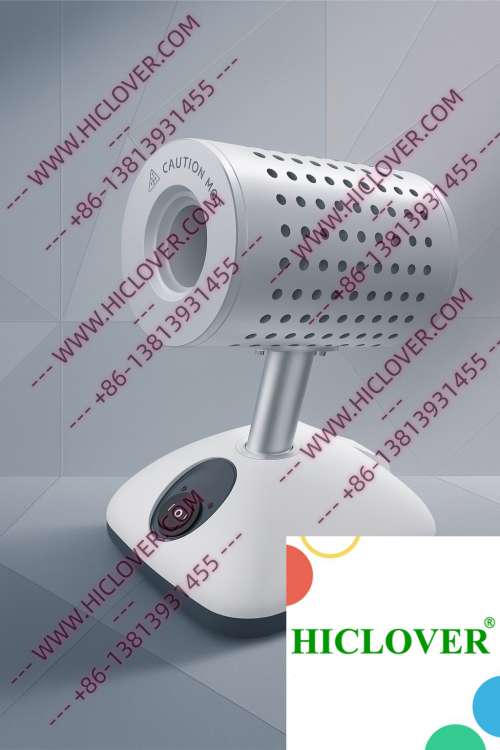
At the heart of the Micro Incinerator’s effectiveness lies its use of infrared heat technology. This sterilization method offers rapid thermal sterilization, which is vital for ensuring contamination control. Unlike traditional flame methods that require open flames and carry the risk of aerosol formation, the Micro Incinerator operates within an enclosed ceramic tube. This advanced design not only reduces the risk of exposure to flames but also allows for consistent heating across the entire sterilization area.
The ceramic heating chamber within this device reaches temperatures sufficient to inactivate pathogens quickly and efficiently, ensuring that inoculating loops and other tools are sterilized without the drawbacks of open flame, such as spillage and smoke.
Key Advantages of Micro Incinerators
- Safety: No open flames, reducing fire hazards and aerosolization risks.
- Efficiency: Quick sterilization process, allowing for minimal downtime in busy labs.
- Portability: Compact design suitable for both stationary labs and field testing scenarios.
- WHO Compliance: Maintaining safety in laboratory settings is paramount.
- Biosafety Levels: Ideal for use in BSL-2 and BSL-3 laboratories.
- Environmental Standards: Eco-friendly sterilization process with reduced pollution.
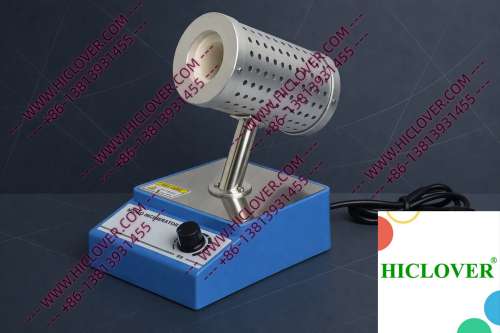
Application Scenarios in Real Labs
Biosafety Cabinets
In BSL-2 and BSL-3 microbiology labs, stringent safety protocols necessitate the use of equipment that minimizes the risk of contamination. When working within a biosafety cabinet, the Micro Incinerator serves as a clean-bench-safe option for sterilization. Lab technicians can efficiently sterilize tools like inoculating loops without having to step outside the cabinet, thus maintaining optimal airflow and minimizing contamination risks. In addition, the lack of an open flame makes it easier to operate within these sensitive environments.
University Teaching Labs
In educational settings, laboratories often face the challenge of balancing effective teaching with maximum safety. The Micro Incinerator provides a safe platform for students to learn essential microbiological techniques without the risks associated with open flames. Inoculating loops can be rapidly sterilized between uses, allowing for seamless transitions during experiments and reducing wait times for students. Furthermore, the compact size and ease of use mean that they can be integrated into various learning environments without cluttering the workspace.
Compliance with Safety Standards
Adhering to lab sterilization standards set by organizations such as the World Health Organization (WHO) is essential for maintaining laboratory safety and efficacy. For instance, when working in clean rooms, the absence of flame sterilizers is a necessity. The Micro Incinerator complies with current biosafety guidelines by providing an aerosol-free handling experience, making it an excellent choice for sterilization in these controlled conditions.
Micro Incinerator vs. Traditional Flame Sterilizers
| Feature | Micro Incinerator | Flame Sterilizers |
|---|---|---|
| Safety | No open flame, minimal risk | Open flame, high risk |
| Speed | Rapid sterilization | Longer heat-up and sterilization time |
| Contamination Risk | No aerosol, clean handling | Aerosols generated from flames |
| Portability | Compact and lightweight | Typically bulkier |
FAQ: Frequently Asked Questions
1. How does the Micro Incinerator improve laboratory safety?
It eliminates open flames, reducing fire hazards and aerosol exposure, making it suitable for sensitive work environments.
2. Can the Micro Incinerator be used in field testing?
Yes, its portable design allows for easy transport and use in various field settings without compromising sterilization efficiency.
3. What maintenance is required for the Micro Incinerator?
Regular cleaning of the ceramic tube and routine check-ups ensure optimal performance and longevity of the unit.
4. Is the Micro Incinerator compliant with biosafety regulations?
Absolutely. It meets WHO guidelines and is perfect for BSL-2 and BSL-3 laboratory use.
5. How does infrared sterilization compare to traditional methods?
Infrared sterilization provides more efficient heat transfer, faster sterilization, and reduced contamination risk compared to open flames.
Conclusion: Streamline Your Lab’s Sterilization Process Today!
Adopting the Micro Incinerator means equipping your laboratory with a cutting-edge sterilization solution that prioritizes both effectiveness and safety. Whether you’re operating in a BSL-3 lab, conducting field research, or teaching future scientists, investing in a Micro Incinerator or Infrared Inoculating Loop Sterilizer can greatly enhance your operational efficiency. Don’t compromise on safety or results—contact us today to learn more about our range of sterilization products that can revolutionize your laboratory workflow!
Categories:
Tags: