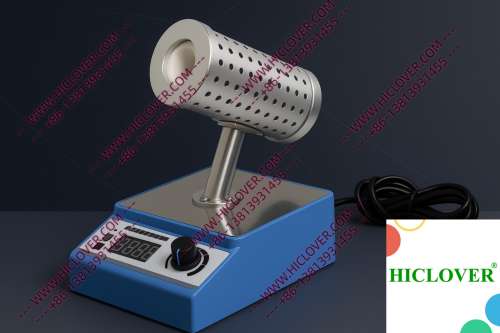
In the realm of laboratory biosafety, scientists face practical challenges in maintaining contamination control while adhering to stringent sterilization workflow demands. With a rising emphasis on environmental sustainability, Algeria’s research institutions and hospitals are increasingly gravitating towards modern sterilization equipment like the Micro Incinerator, or Infrared Inoculating Loop Sterilizer. This innovative device not only meets sterilization needs but does so while promoting eco-friendly practices.
The Technical Principles of Micro Incinerators
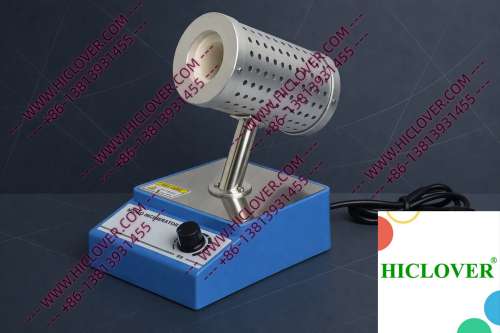
Micro Incinerators utilize infrared heat to ensure rapid thermal sterilization. Unlike traditional flame-based sterilization methods, these devices feature an enclosed ceramic heating chamber that reaches temperatures up to 800°C, effectively eliminating microbial contaminants in seconds. The use of high-temperature infrared disinfection makes them perfect for sensitive laboratory environments where clean-bench-safe operation is vital.
- Enclosed Ceramic Tube: Ensures aerosol-free handling, minimizing the risk of airborne contamination.
- Rapid Thermal Sterilization: Executes sterilization in mere seconds, improving lab workflow and efficiency.
- Flame-Free Operation: Eliminates hazards associated with traditional alcohol lamps and Bunsen burners, enhancing lab safety.
Applications in Laboratory Settings
Micro Incinerators have versatile applications across different laboratory settings. Here are two key scenarios where these devices shine:
1. Biosafety Cabinet Utilization
In BSL-2 and BSL-3 microbiology labs, where researchers handle pathogenic microorganisms, the Micro Incinerator ensures safe sterilization of inoculating loops and other tools without the risk of flames. The enclosed setup prevents the potential spread of aerosols, protecting both laboratory personnel and samples from contamination.
2. Field Testing Solutions
In mobile or field testing laboratories, sterilization presents unique challenges due to the outdoor conditions and limited resources. The portability of the Micro Incinerator allows researchers to sterilize equipment on-site rapidly. This is particularly advantageous in situations where immediate results are critical, such as in environmental monitoring or clinical diagnostics.
Compliance with Biosafety Standards
Adhering to biosafety standards is paramount for laboratory operations. The World Health Organization (WHO) outlines guidelines for laboratory biosafety that emphasize the importance of effective sterilization methods. The Micro Incinerator aligns with these standards by:
- Providing a flame-free option in clean rooms and other controlled environments.
- Meeting lab sterilization standards that require efficient microbial eradication.
- Offering a compact solution that complies with workplace safety protocols.
By emphasizing eco-friendly practices in laboratory sterilization, Algeria’s institutions are not only protecting public health but also aligning with national goals for environmental sustainability.
Advantages Over Traditional Flame Sterilizers
| Criteria | Micro Incinerator | Flame Burners (e.g., Bunsen Burners) |
|---|---|---|
| Sterilization Speed | Seconds | Minutes |
| Operational Safety | Flame-free | Open flame hazards |
| Contamination Control | Enclosed, aerosol-free | Open, risk of aerosol spread |
| Environmental Impact | Low | Fuel consumption and emissions |
FAQs About Micro Incinerators
Q1: How quickly can a Micro Incinerator sterilize tools?
A: The Micro Incinerator can sterilize inoculating loops and similar tools in just a few seconds, significantly enhancing workflow efficiency in the lab.
Q2: Are Micro Incinerators safe to use in biosafety cabinets?
A: Yes, due to their flame-free design and aerosol-free operation, Micro Incinerators are safe for use within biosafety cabinets.
Q3: How does a Micro Incinerator contribute to environmental sustainability?
A: By minimizing fuel consumption and reducing emissions compared to traditional flame sterilizers, the Micro Incinerator supports Algeria’s environmental goals.
Q4: What types of labs commonly use Micro Incinerators?
A: Micro Incinerators are widely used in BSL-2 and BSL-3 microbiology labs, clinical diagnostics, university teaching labs, and even field testing scenarios.
Q5: Can Micro Incinerators be used for the sterilization of liquid media?
A: No, Micro Incinerators are designed primarily for solid instruments and other laboratory tools, not for liquid sterilization.
Conclusion
For laboratories across Algeria that prioritize biosafety and environmental sustainability, the Micro Incinerator serves as a revolutionary solution. Transitioning from traditional flame sterilizers to this modern equipment not only enhances operational efficiency but also aligns with health and safety regulations. If you’re interested in enhancing your laboratory’s sterilization processes, don’t hesitate to reach out for further information or to place an order. Investing in a Micro Incinerator is a step towards a safer and more sustainable laboratory environment.
Categories:
Tags: