
In modern laboratories, the challenges of maintaining biosafety while ensuring efficient sterilization processes are critical. As labs evolve, the need for advanced sterilization solutions that prioritize safety without sacrificing efficiency has become increasingly important.
The Core Challenges in Laboratory Biosafety
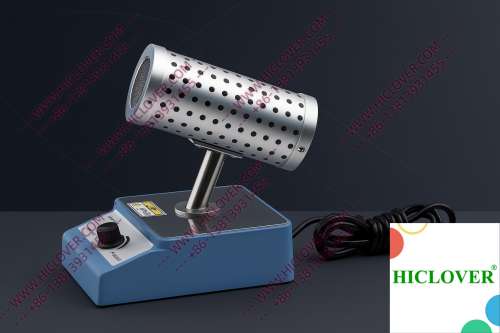
Laboratories face a multitude of biosafety challenges, including contamination control and the need for rapid thermal sterilization methods. Traditional flame sterilization techniques, such as alcohol lamps and Bunsen burners, pose numerous risks including fire hazards and the potential for aerosol generation. These problems become even more pronounced in sensitive environments like Biological Safety Level 2 (BSL-2) and BSL-3 microbiology labs, where pathogens can be fatal if mishandled.
Introducing the Micro Incinerator: A Solution for Modern Labs
The Micro Incinerator, also known as the Infrared Inoculating Loop Sterilizer, revolutionizes the way sterile environments are maintained. This innovative sterilization equipment uses an enclosed ceramic heating chamber that employs infrared heat to achieve high-temperature disinfection without open flames.
Technical Principles of Ceramic Heating Sterilizers
The principle behind flameless ceramic heating is straightforward yet highly effective. The ceramic tubes are engineered to provide rapid thermal sterilization by emitting infrared radiation. This allows the Micro Incinerator to reach temperatures of approximately 800°C, ensuring the destruction of all microbial contaminants within moments, minimizing exposure time and enhancing safety.
Application Scenarios for Micro Incinerators
1. Laboratory Biosafety Cabinets
In BSL-2 and BSL-3 environments, the incorporation of the Micro Incinerator within biosafety cabinets enhances sterilization protocols. Users can efficiently sterilize inoculating loops and other tools quickly, without the risk of flame-related accidents or aerosols contaminating the clean environment. This integrated approach not only saves time but also adheres to WHO biosafety guidelines.
2. Teaching Laboratories
In educational settings, the safety of students and instructors is paramount. Utilizing a Micro Incinerator in university teaching labs allows students to practice and learn sterilization techniques without the exposure to open flames. The clean-bench-safe design reduces the risk of flammable materials catching fire, making it an ideal teaching tool for microbiology and biological sciences.
Compliance with Laboratory Standards
Laboratory equipment must adhere to strict sterilization and biosafety standards to provide a safe working environment. The Micro Incinerator complies with various laboratory sterilization standards established by organizations such as the World Health Organization (WHO). Notably, many cleanroom protocols recommend alternatives to open flames due to their potential for contamination. Choosing flameless sterilizers significantly aligns with these compliance requirements, enabling labs to adhere to best practices.
Micro Incinerator vs. Traditional Flame Burners
| Feature | Micro Incinerator | Traditional Flame Burners |
|---|---|---|
| Safety | Flameless, reduces fire hazards | Open flame, risk of fire |
| Efficiency | Rapid heat-up time and disinfection | Slower heating; cool-down required |
| Cleanroom Compatibility | Ideal for cleanroom environments | Not suitable |
| Contamination Risk | Aerosol-free handling | Aerosol generation possible |
Advantages over Traditional Methods
- Flameless Operation: Eliminates the dangers associated with open flames.
- Laser-Clean Efficiency: Immediate thermal sterilization for tools and surfaces.
- Versatility: Suitable for various laboratory settings, from field tests to teaching labs.
- Environmental Compliance: Meets global biosafety standards, reducing contamination risks.
Frequently Asked Questions
What is a Micro Incinerator, and how does it work?
A Micro Incinerator is a flameless sterilization device that utilizes infrared heat in a ceramic tube to rapidly disinfect inoculating loops and other laboratory tools by reaching high temperatures safely.
Can the Micro Incinerator be used in field laboratories?
Absolutely. The portability and flameless design make it an excellent choice for mobile or field testing labs that require high-level sterilization without the safety hazards associated with open flames.
How does the Micro Incinerator improve lab workflow efficiency?
With rapid heating capabilities, the Micro Incinerator significantly reduces the time needed for sterilizing tools, enhancing laboratory workflow and allowing for more efficient processes.
Conclusion
In an era where laboratory safety and efficiency are critical, the Micro Incinerator provides an unparalleled solution for sterilization practices. By reducing the risks associated with traditional flame methods and aligning with established biosafety standards, this innovative equipment is ideal for various laboratory settings. For laboratories looking to enhance their sterilization protocol and ensure the safety of their personnel, the Micro Incinerator is a perfect investment. Contact us today to learn more about our products or to make a purchase!
Categories:
Tags: