
In the ever-evolving landscape of laboratory biosafety, the need for effective sterilization methods has never been more critical. Traditional methods such as alcohol lamps and Bunsen burners, while widely used, come with a myriad of challenges including risk of open flames, contamination, and inefficient workflows. As laboratories increasingly focus on maintaining sterility while optimizing performance, touch-free laboratory sterilizers have emerged as a game-changing solution. Among these, the Micro Incinerator or Infrared Inoculating Loop Sterilizer stands out for its innovative technology and myriad benefits.
Technical Principles Behind Infrared Sterilization
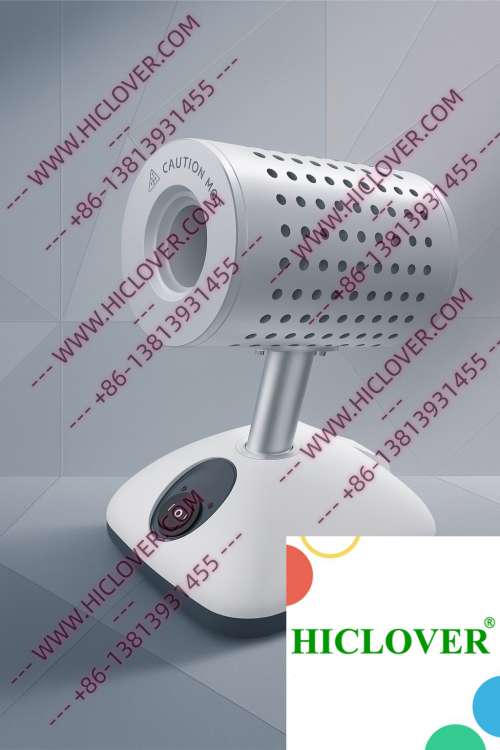
The Micro Incinerator leverages the principle of infrared heat to achieve rapid thermal sterilization. Unlike traditional flame-based systems, it operates with an enclosed ceramic heating chamber that provides quick heating up to 850°C. This design allows for high-temperature disinfection without the risk of exposure to open flames, making it ideal for use in sensitive environments such as BSL-2 and BSL-3 microbiology labs. With its streamlined operation, the micro incinerator reduces the time required for sterilization, enhancing laboratory workflow efficiency.
Key Features of the Micro Incinerator
- Touch-Free Operation: Eliminates manual handling, reducing the risk of contamination.
- Rapid Heating: Achieves sterilization in seconds, significantly improving turnaround times.
- Safety Standards Compliance: Adheres to international biosafety standards, ensuring safe operations.
- Environmentally Friendly: No use of harmful chemicals or aerosols, promoting a cleaner working environment.
- No open flames in clean rooms, which eliminates risks of fire hazards.
- Minimal emissions contribution to air quality issues within laboratory environments.
- Reduced environmental impact compared to chemical sterilants commonly used in laboratories.
Application Scenarios in Real Labs
1. Biosafety Cabinets
In a biosafety cabinet setting, the Micro Incinerator is invaluable for maintaining a sterile workspace. After transferring samples or working with pathogenic organisms, laboratory personnel can quickly sterilize inoculating loops and other tools without breaking the sterile barrier. This is particularly important in BSL-3 labs where aerosol-free handling is essential for preventing cross-contamination.
2. Teaching Labs
University teaching labs benefit significantly from the incorporation of the Micro Incinerator. Traditional flame sterilizers can pose safety risks for students unfamiliar with laboratory protocols. The touch-free design allows students to safely practice microbiological techniques in a controlled environment while reducing the possibility of accidents or burns. Furthermore, instructors can focus on teaching efficiencies rather than constantly monitoring flames.
Compliance and Environmental Considerations
One of the most pressing concerns in laboratory settings is adherence to biosafety guidelines. The World Health Organization (WHO) and various regulatory bodies have established strict standards for laboratory sterilization processes. The Micro Incinerator is designed to meet these stringent requirements, thus providing peace of mind for laboratory managers and ensuring compliance with local health regulations.
Key benefits include:
Comparison: Micro Incinerator vs. Flame Sterilizers
| Feature | Micro Incinerator | Flame Sterilizers |
|---|---|---|
| Heating Method | Infrared | Open Flame |
| Safety | Touch-free, reduced fire risk | Inherent fire hazards |
| Efficiency | Rapid sterilization | Longer heat-up times |
| Environmental Impact | No emissions | Use of combustibles |
| Usability | Suitable for sensitive environments | Not suitable for cleanrooms |
Frequently Asked Questions
What types of labs benefit from using a Micro Incinerator?
Biosafety level labs (BSL-2 and BSL-3), clinical diagnostic labs, and university teaching labs all benefit from the efficiency and safety that the Micro Incinerator offers.
How does the Micro Incinerator contribute to infection control?
By providing a reliable method of rapid thermal sterilization, the Micro Incinerator ensures that all inoculating loops and metal tools are effectively sterilized, minimizing the risk of infection when handling samples.
Is the Micro Incinerator environmentally friendly?
Yes, as it operates without the use of harmful chemicals or open flames, it promotes a cleaner and safer laboratory environment.
How does the cost of Micro Incinerators compare to traditional flame sterilizers?
While the initial investment in a Micro Incinerator may be higher, the long-term savings from improved efficiency and reduced safety hazards make it a cost-effective solution.
Can the Micro Incinerator be used in field testing labs?
Absolutely! Its lightweight design and ease of use make it an excellent choice for field testing labs where quick and effective sterilization is needed.
Conclusion
As laboratories strive to enhance compliance, safety, and operational efficiency, the adoption of touch-free sterilization equipment like the Micro Incinerator / Infrared Inoculating Loop Sterilizer becomes essential. By choosing this modern solution, laboratories can not only meet biosafety standards but also transform their sterilization workflows, cultivating a safer and more productive environment. For more information on how the Micro Incinerator can optimize your laboratory’s performance and safety, feel free to contact us or explore our product offerings today!
Categories:
Tags: