
Laboratory sterilization is a cornerstone of safe and effective scientific practices, particularly in biosafety levels 2 and 3 (BSL-2 / BSL-3) labs, clinical diagnostics, and mobile field testing labs. Traditional sterilization methods, such as alcohol lamps and Bunsen burners, present significant biosafety challenges, such as open flames, exposure to aerosols, and potential contamination risks. As the lab environment continues to evolve, so does the need for modern solutions that prioritize safety and efficiency. Enter the Micro Incinerator, also known as Infrared Inoculating Loop Sterilizer, a revolutionary tool that addresses these challenges head-on.
Understanding the Technical Principles of Micro Incinerators
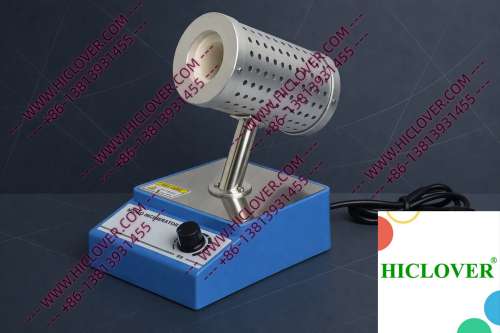
The Micro Incinerator leverages cutting-edge technology, utilizing infrared high-temperature disinfection to achieve rapid thermal sterilization. The principle is simple yet effective: it employs a heated enclosed ceramic tube that instantly raises the temperature to effectively sterilize inoculating loops and other laboratory instruments.
- Rapid Heating: The ceramic heating chamber heats up quickly, reducing waiting times.
- Consistent Temperatures: The system maintains high-level temperatures without fluctuation.
- Aerosol-Free Handling: Unlike open flame devices, the Micro Incinerator minimizes contamination risks in sensitive environments.
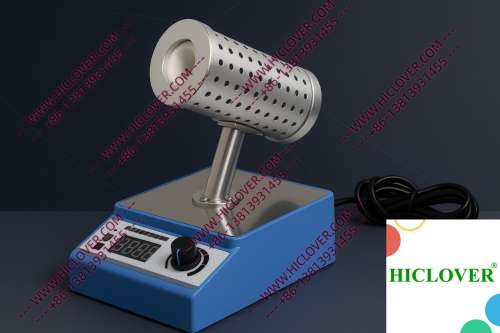
This technology not only meets but exceeds the expectations of modern laboratory safety standards, making it a viable alternative to traditional flame sterilizers.
Applications of Micro Incinerators in Real Laboratories
Micro Incinerators are versatile and have several application scenarios in real lab environments. Here are a couple of prominent use cases:
1. Biosafety Cabinets
In BSL-2 and BSL-3 microbiology labs where contamination control is paramount, the Micro Incinerator provides a clean, flame-free sterilization solution. Users can efficiently sterilize inoculating loops while working in biosafety cabinets, eliminating any risk of flames igniting chemical vapors or premature aerosol generation. This setup is ideal when working with sensitive cultures or pathogenic organisms where utmost care is necessary.
2. University Teaching Labs
In educational settings, such as university teaching labs, the Micro Incinerator enhances both safety and student learning experiences. Students can observe the sterilization process safely without the distractions or hazards associated with flames, allowing them to focus on understanding microbial techniques. Moreover, incorporating modern sterilization equipment into the curriculum prepares students for the high standards expected in the professional field.
Compliance and Environmental Considerations
Globally recognized organizations like the World Health Organization (WHO) emphasize the importance of adhering to strict biosafety standards in laboratory environments. Using alcohol lamps and flame sterilizers poses several concerns:
- Flames can exacerbate risks in clean rooms and chemical laboratories.
- Open flames have been linked with increased incidents of accidents and injuries.
- Contaminants can spread easily through aerosolization resultant from flame use.
In contrast, the Micro Incinerator aligns with the latest laboratory sterilization standards, significantly reducing the environmental impact of lab operations. By eliminating open flames, labs can enhance safety protocols, especially concerning volatile chemicals or biohazardous samples.
Comparative Analysis: Micro Incinerator vs. Traditional Flame Burners
| Feature | Micro Incinerator | Traditional Flame Burners |
|---|---|---|
| Ignition Source | Infrared Heat | Open Flame |
| Heat-up Time | Instant | Delayed |
| Aerosol Risk | Minimal | High |
| Environment | Clean room safe | Not suitable |
| Safety Compliance | High | Variable |
Frequently Asked Questions
- What are the primary benefits of using a Micro Incinerator over traditional alcohol lamps?
The Micro Incinerator offers faster sterilization times, reduced contamination risk, and improved safety features—ideal for sensitive laboratory environments. - Is the Micro Incinerator suitable for use in clean rooms?
Yes, it is specifically designed for clean rooms and BSL-2/BSL-3 labs, eliminating the risks associated with open flames. - Can I use the Micro Incinerator for educational purposes in university labs?
Absolutely! It’s perfect for teaching safe microbial techniques without the hazards of flame sterilization. - How does the Micro Incinerator comply with global biosafety standards?
It adheres to WHO and other international guidelines by offering safe, efficient, flame-free sterilization solutions. - What types of tools can be sterilized using the Micro Incinerator?
Various laboratory tools, including inoculating loops, needles, and forceps, can be effectively sterilized with this device.
Conclusion: Upgrade Your Lab Today!
Laboratories today face increasing demands for safety, compliance, and efficiency. The Micro Incinerator / Infrared Inoculating Loop Sterilizer meets these demands head-on by providing a flame-free, technologically advanced solution for sterilization. By investing in modern lab sterilization equipment, you not only enhance safety but also increase the operational efficiency of your laboratory practices.
Don’t wait! Embrace cutting-edge technology in your lab. Contact us today to discover how the Micro Incinerator can refine your laboratory practices and ensure the highest safety standards are met!
Categories:
Tags: