
In modern laboratories, ensuring the safety of personnel and the integrity of experiments is paramount. Medical diagnostic sterilizers play an essential role in addressing biosafety challenges and streamlining sterilization workflows. Particularly noteworthy among these are Micro Incinerators and Infrared Inoculating Loop Sterilizers, which have become indispensable tools in maintaining stringent hygiene standards across various lab settings.
Understanding the Micro Incinerator: A Technical Perspective
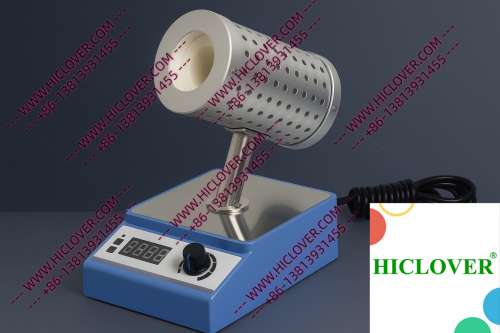
The Micro Incinerator operates on the principle of rapid thermal sterilization, utilizing infrared heat to achieve high temperatures quickly. Its enclosed ceramic heating chamber allows for efficient and even distribution of heat, significantly reducing the risk of contamination. Unlike traditional flame sterilizers, the Micro Incinerator offers a safe and effective alternative for sterilizing inoculating loops, needles, and other lab tools, while minimizing aerosol generation.
Furthermore, the design of the Micro Incinerator eliminates the need for open flames, mitigating the risk of accidental fires and enhancing lab safety, especially in confined spaces like biosafety cabinets.
Applications in Real Lab Scenarios
Biosafety Cabinet Usage
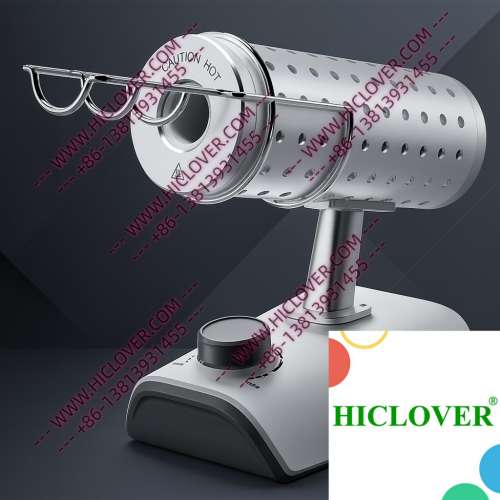
In BSL-2 and BSL-3 microbiology labs, where the manipulation of potentially pathogenic microorganisms occurs, the demand for reliable sterilization methods is critical. A Micro Incinerator can be seamlessly integrated into biosafety cabinets, providing an effective means of decontaminating instruments without the hazards associated with traditional flame-based methods. In these environments, ensuring that no contaminants escape into the external environment is vital, and the Micro Incinerator contributes to this goal by offering :
- Aerosol-free handling of instruments
- High-temperature sterilization within seconds
- Ease of use and quick response times during critical procedures
Field Testing Laboratories
For mobile labs operating in diverse and potentially challenging environments, such as field testing for infectious diseases, the Micro Incinerator’s portability and efficiency become invaluable. For instance, during a mobile disease surveillance campaign, researchers can utilize the Micro Incinerator to sterilize inoculating loops on-site, ensuring that samples are collected and processed under sterile conditions. This minimizes the risk of cross-contamination and ensures accuracy in results, crucial for epidemiological studies.
Compliance with International Biosafety Standards
Adhering to international biosafety standards set forth by organizations such as the World Health Organization (WHO) is crucial for laboratories worldwide. Compliance not only ensures the safety of laboratory personnel but also protects public health. Key regulations concerning lab sterilization include:
- WHO guidelines on Biosafety for Laboratory Animal Facilities
- ISO 15189 standards for medical laboratories
- Best practices for maintaining clean rooms, including the prohibition of open flames
The Micro Incinerator aligns with these regulations by providing a safe alternative to traditional flame sterilizers, which can be prohibited in clean environments due to the risk of uncontrolled ignition. This compliance enhances the overall safety and regulatory standing of laboratories across various regions, from urban hospitals in New York to rural research centers in India.
Micro Incinerator vs. Traditional Flame Sterilizers
| Feature | Micro Incinerator | Traditional Flame Sterilizers |
|---|---|---|
| Safety | High – No open flames, minimal risk of fire | Moderate – Open flames can lead to accidents |
| Speed of Sterilization | Instant – Achieves high temperatures quickly | Slower – Requires time to build up flame |
| Contamination Control | Aerosol-free handling | Can produce aerosols, posing contamination risks |
| Portability | High – Compact and lightweight | Varies – Often cumbersome and less portable |
FAQs About Micro Incinerators
1. How does a Micro Incinerator work?
The Micro Incinerator utilizes infrared heat within a ceramic tube to achieve rapid thermal sterilization of tools and instruments, ensuring effective decontamination.
2. What are the benefits of using a Micro Incinerator over traditional flame sterilizers?
Benefits include enhanced safety with no open flames, faster sterilization times, reduced contamination risk, and easier portability for field applications.
3. In what types of labs is a Micro Incinerator recommended?
Micro Incinerators are ideal for BSL-2 and BSL-3 labs, clinical diagnostic settings, educational institutions, and mobile testing environments.
4. Is it compliant with international biosafety regulations?
Yes, Micro Incinerators comply with WHO guidelines and other international lab standards, making them suitable for use in a variety of laboratory environments.
5. How can I purchase a Micro Incinerator for my lab?
You can contact certified laboratory equipment distributors or manufacturers directly to inquire about purchasing options and pricing.
The Path Forward: Enhancing Laboratory Safety
The importance of effective sterilization in labs cannot be overstated. The Micro Incinerator/Infrared Inoculating Loop Sterilizer represents a significant advancement in ensuring laboratory safety and compliance with biosafety regulations. By adopting modern sterilization technologies, laboratories can enhance their operational efficiency, protect personnel, and ultimately contribute to better health outcomes.
If you’re interested in equipping your lab with the latest in sterilization technology, feel free to reach out for more information about our Micro Incinerator options and how they can enhance your laboratory safety protocols.
Categories:
Tags: