
As healthcare evolves, the challenges related to laboratory biosafety and sterilization workflows are more pressing than ever. With a growing need for effective contamination control and rapid sterilization in various settings, particularly in BSL-2 and BSL-3 microbiology labs, the traditional methods of sterilization, such as alcohol lamps and Bunsen burners, are rapidly being overshadowed by more innovative solutions. One of the notable advancements is the Micro Incinerator or Infrared Inoculating Loop Sterilizer, a flameless technology that offers a promising future for laboratory sterilization equipment.
Technical Principles of Flameless Sterilization
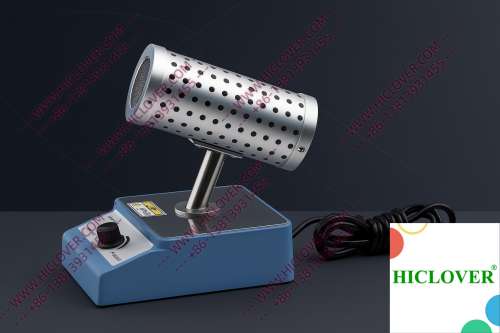
The Micro Incinerator utilizes advanced infrared heating technology that ensures rapid thermal sterilization, efficiently eliminating microbial contamination. Unlike traditional methods that rely on open flames, this innovative device employs an enclosed ceramic tube that generates high-temperature disinfection through infrared radiation. The infrared heat is directed towards the inoculating loops or instruments being sterilized, ensuring that the temperature reaches levels sufficient to kill pathogens while minimizing the risk of aerosols or flame hazards.
This configuration not only enhances safety within the laboratory but also ensures compliance with strict laboratory sterilization standards mandated by organizations such as the World Health Organization (WHO). The design is particularly advantageous in clean-room environments, where the presence of an open flame can pose significant risks.
Key Features of the Micro Incinerator
- Flameless operation, reducing the risk of burns and fires
- Rapid thermal sterilization, ensuring efficiency without compromising safety
- Compact design, making it ideal for use in diverse laboratory settings
- Enclosed ceramic tube for enhanced contamination control
- Low energy consumption compared to traditional flame sterilizers
- What is a Micro Incinerator? The Micro Incinerator is a flameless sterilization device that uses infrared heating to rapidly sterilize laboratory instruments and inoculating loops.
- How does infrared heat improve safety in the lab? Infrared heat is contained within an enclosed ceramic tube, eliminating open flames, hence reducing the risks of burns and fire hazards.
- Can the Micro Incinerator be used in field-testing labs? Yes, its compact and versatile design makes it ideal for mobile and field testing laboratories, ensuring efficient sterilization on-site.
- What compliance standards does the Micro Incinerator meet? It complies with WHO biosafety standards and other international lab sterilization guidelines, making it suitable for various laboratory environments.
- What are the benefits of using a Micro Incinerator over traditional sterilizers? It offers greater safety, faster sterilization, better contamination control, and lower energy consumption compared to traditional flame sterilizers.
Application Scenarios in Real Labs
Biosafety Cabinets
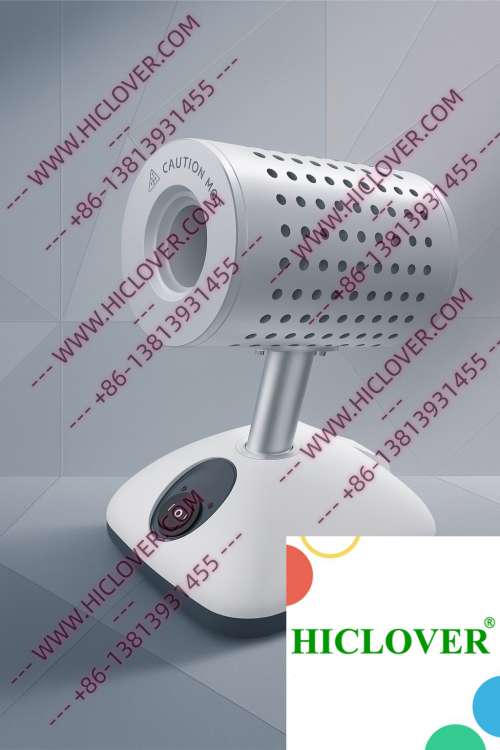
In BSL-2 and BSL-3 microbiology labs, the Micro Incinerator is frequently used in biosafety cabinets. This setup allows researchers to sterilize inoculating loops and other tools without risking contamination within the controlled environment. The rapid operation of the Micro Incinerator allows procedures to move swiftly while maintaining an impeccably sterile workspace.
Teaching Laboratories
University teaching labs are increasingly incorporating the Micro Incinerator into their curriculum for microbiology courses. Educators emphasize safety and efficiency by utilizing flameless sterilization technologies that allow students to focus on learning without the hazards associated with open flames. This educational approach not only instills proper sterilization techniques but also highlights the importance of innovation in maintaining laboratory safety.
Compliance and Environment Considerations
The integration of flameless sterilization technology is consistent with WHO biosafety guidelines and various international lab sterilization standards. In settings where clean rooms are essential, the prohibition of flames is a strict requirement; hence, the Micro Incinerator is the preferred choice. Its compact and innovative design ensures it meets both compliance requirements and operational needs, making it a practical solution across hospitals, research centers, and field-testing labs.
Comparison Between Micro Incinerator and Traditional Flame Burners
| Feature | Micro Incinerator | Traditional Flame Burner |
|---|---|---|
| Safety | Flameless, reduced burn risk | Open flame hazard |
| Efficiency | Rapid thermal sterilization | Slower heating time |
| Contamination Control | Aerosol-free handling | Higher risk of airborne contamination |
| Energy Consumption | Low energy usage | Higher energy costs |
Frequently Asked Questions
Conclusion
The future of sterilization in healthcare and laboratory settings is undeniably leaning towards innovative technologies that prioritize safety and efficiency. The Micro Incinerator / Infrared Inoculating Loop Sterilizer epitomizes such advancements, allowing laboratories to maintain stringent biosafety standards while enhancing workflow effectiveness. For laboratory supply distributors, hospitals, universities, and research centers, investing in this cutting-edge technology is more than a choice—it’s a commitment to a safer and more effective future in laboratory environments. Embrace this breakthrough in sterilization technology and contact us today for more information on how you can integrate the Micro Incinerator into your operations.
Categories:
Tags: