
In the realm of modern laboratory practices, ensuring biosafety during sterilization procedures is paramount. The traditional methods, including alcohol lamps and Bunsen burners, while effective, present several challenges in workflow efficiency and contamination control. As laboratories become increasingly concerned with safety, regulatory compliance, and operational efficiency, innovations in sterilization technology, such as the Micro Incinerator / Infrared Inoculating Loop Sterilizer, are gaining traction.
Understanding the Principle of Infrared Heat Sterilization
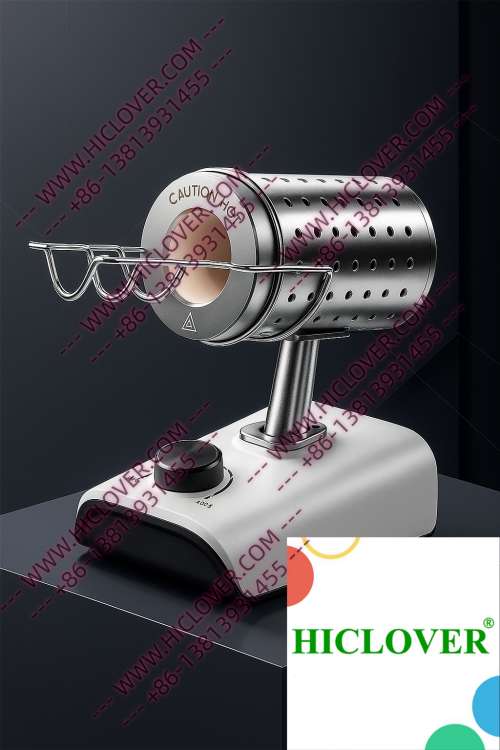
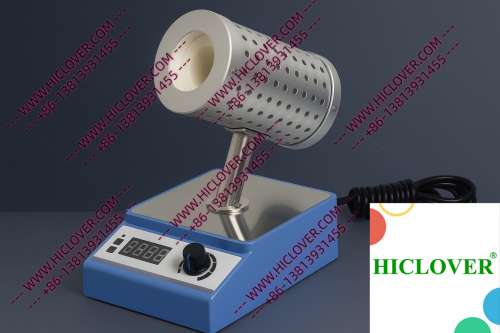
The Micro Incinerator operates on the principle of infrared thermal radiation to rapidly sterilize inoculating loops and other tools. This device features an enclosed ceramic heating chamber that distributes heat evenly, ensuring efficient disinfection. The compact size allows it to be used seamlessly in various laboratory environments, maintaining clean-bench safety and enhancing workflow while eliminating the hazards associated with open flames.
Advantages Over Traditional Flame Sterilizers
- Safety: No open flame means a reduced risk of fire hazards.
- Efficiency: Infrared heating provides rapid thermal sterilization, significantly reducing wait times.
- Environmental Compliance: The Micro Incinerator is designed for use in clean rooms, eliminating aerosol generation.
- Contamination Control: Without the presence of flame, the risk of cross-contamination is drastically minimized.
- Ease of Use: Simple operation enhances user experience, making it suitable for training environments.
- What is a Micro Incinerator?
The Micro Incinerator is a device used for rapid thermal sterilization of inoculation loops and other laboratory instruments without the use of an open flame. - How does the Micro Incinerator ensure contamination control?
By employing infrared heating in a closed ceramic chamber, it minimizes aerosol generation and cross-contamination risks. - Where can the Micro Incinerator be effectively utilized?
It is ideal for use in BSL-2 and BSL-3 labs, teaching environments, and field-testing scenarios. - Is the Micro Incinerator compliant with lab standards?
Yes, it aligns with WHO biosafety guidelines and ISO lab standards ensuring that sterilization processes meet global safety requirements. - What are the benefits of using a Micro Incinerator over traditional flame sterilizers?
It provides enhanced safety, efficiency, and contamination control, making it suitable for clean room environments.
Application Scenarios in Real Laboratories
Biosafety Cabinet Operations
In BSL-2 and BSL-3 laboratories, where strict biosafety protocols are imperative, the Micro Incinerator proves invaluable. Its compact design allows for placement within biosafety cabinets, ensuring that sterilization tasks can be undertaken in a controlled environment. Researchers often rely on sterilizers like this during microbiological studies, where the need for rapid sterilization of inoculating loops is frequent to prevent transfer of pathogens.
Field Testing Laboratories
In mobile or field testing laboratories, where access to traditional power sources might be limited, the Micro Incinerator presents a reliable alternative. Its lightweight design and ability to operate efficiently without electricity mean that field researchers can conduct microbial testing and sterilization on-site, ensuring that sample contamination is minimized.
Compliance with Laboratory Standards
With increasing scrutiny on laboratory practices, ensuring compliance with globally recognized biosafety standards is vital. The World Health Organization (WHO) guidelines as well as ISO 15189 standards emphasize the need for effective sterilization methods that minimize risk—especially in clinical diagnostics and research settings. The Micro Incinerator meets these compliance standards, providing laboratories with a method of sterilization that is aligned with safety protocols and clean room requirements.
Beyond the standards, the capacity for aerosol-free handling makes this device particularly suitable for environments where traditional flame sterilizers cannot be used due to the risk of contamination. For instance, laboratories working with CO₂ incubators or anaerobic chambers benefit from this technology, as they can sterilize tools while maintaining the integrity of sensitive cultures.
Conclusion
The evolution of laboratory sterilization is crucial for advancing both safety and efficiency in the scientific community. The Micro Incinerator / Infrared Inoculating Loop Sterilizer provides a steep advantage over traditional flame sterilizers, addressing significant safety concerns while ensuring compliance with stringent biosafety standards. As research centers, hospitals, and universities continue to adopt these methods, demand for innovative sterilization solutions will only increase. If you’re ready to enhance your laboratory’s sterilization process, contact us today to explore our Micro Incinerator offerings.
FAQs
Categories:
Tags: