
In today’s laboratory environments, effective sterilization has become paramount, owing to the increasing biosafety challenges posed by various pathogens. Laboratory professionals require reliable sterilization equipment that can ensure contamination control while adhering to strict regulatory standards. This is where the Micro Incinerator, specifically the Infrared Inoculating Loop Sterilizer, comes into play. With its advanced sterilization technology, this equipment is increasingly recognized for its role in reducing landfill dependency and improving workflow efficiency across diverse laboratory settings.
Understanding the Micro Incinerator Technology
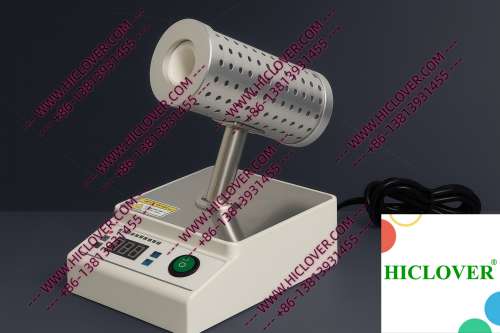
The Micro Incinerator employs infrared radiation to achieve rapid thermal sterilization effectively. It consists of an enclosed ceramic heating chamber designed to reach high temperatures efficiently. By utilizing infrared technology, the sterilizer provides controlled heat distribution, ensuring that inoculating loops and other lab tools are efficiently disinfected without the production of hazardous aerosols.
This technology boasts multiple advantages over traditional flame sterilizers, such as alcohol lamps and Bunsen burners. Users benefit from:
- Safety: Infrared sterilizers are flame-free, significantly reducing the risk of fire hazards, particularly in clean rooms and other sensitive environments.
- Environmental impact: With reduced waste generation and no reliance on combustible fuels, Micro Incinerators align with green practices.
- Precision: The enclosed system maintains a consistent temperature, ensuring thorough sterilization while minimizing heat exposure to nearby surfaces.
- No flame requirements in clean rooms, minimizing the risk of contamination.
- Environmental regulations that aim to decrease waste from traditional sterilization practices.
- Safety standards, crucial for the operation of BSL-2 and BSL-3 laboratories, ensuring all activities are conducted under stringent protocols.
Applications in Real Laboratory Settings
Biosafety Cabinets and Clean Rooms
The Micro Incinerator is a perfect fit for BSL-2 and BSL-3 microbiology labs, where stringent sterilization measures are essential. In these settings, the compact and efficient design allows for easy integration into biosafety cabinets. Researchers can sterilize tools quickly without risking contamination, enabling them to maintain a sterile working environment crucial for sensitive experiments.
Field Testing and Educational Environments
In mobile or field testing labs, where accessibility to advanced sterilization equipment may be limited, Micro Incinerators provide a portable and reliable solution. Field technicians can utilize this sterilizer to perform on-site sterilizations without the complications associated with traditional flame methods. Similarly, in university teaching labs, students can engage in hands-on learning about sterilization techniques safely and effectively while understanding the importance of compliance with laboratory standards.
Compliance with Biosafety and Sterilization Standards
When considering laboratory sterilization equipment, compliance with biosafety standards set by organizations such as the WHO is critical. The Micro Incinerator aligns well with laboratory sterilization standards, facilitating a sterile workspace while adhering to the following:
Advantages over Traditional Flame Sterilizers
| Feature | Micro Incinerator | Flame Sterilizers |
|---|---|---|
| Heating Method | Infrared Technology | Open Flame |
| Safety | Flame-free | Risk of fire hazards |
| Environmental Impact | Low waste generation | High fuel consumption |
| Heat Concentration | Targeted, efficient | Uneven, potential overexposure |
Frequently Asked Questions
1. What industries can benefit from using Micro Incinerators?
Micro Incinerators are particularly useful in biotechnology, clinical diagnostics, educational institutions, and mobile field testing labs due to their safety and efficiency.
2. How does the Micro Incinerator ensure effective sterilization?
The device uses infrared heating to generate rapid thermal energy, effectively eliminating pathogens without producing harmful aerosols.
3. Can the Micro Incinerator be used in clean room environments?
Yes, its flame-free operation makes it ideal for use in clean rooms where contamination control is critical.
4. What is the typical temperature range for the Micro Incinerator?
The Micro Incinerator operates at temperatures exceeding 900°C, ensuring rapid and thorough disinfection.
5. Are Micro Incinerators environmentally friendly?
Absolutely! They contribute to reducing landfill waste and are designed to minimize environmental impact compared to traditional sterilizers.
Conclusion: Redefining Sterilization Practices for a Sustainable Future
As the laboratory landscape continues to evolve, the adoption of sophisticated sterilization technologies like the Micro Incinerator is crucial. This innovative equipment not only addresses biosafety challenges but also aligns with sustainability goals by reducing landfill dependency. By investing in the Micro Incinerator / Infrared Inoculating Loop Sterilizer, laboratories can enhance their sterilization workflow, meet stringent safety standards, and contribute positively to environmental initiatives.
For more information or to inquire about purchasing a Micro Incinerator, feel free to contact us. We are here to assist you in optimizing your laboratory sterilization processes.
Categories:
Tags: