
In laboratory environments, where biosafety and contamination control are paramount, the demand for efficient sterilization methods has never been greater. Traditional methods, like alcohol lamps and Bunsen burners, while common, can pose significant risks associated with open flames and the potential for aerosol generation. As a result, advanced sterilization solutions like the Micro Incinerator or Infrared Inoculating Loop Sterilizer are gaining traction in modern laboratories.
Meeting Laboratory Sterilization Challenges
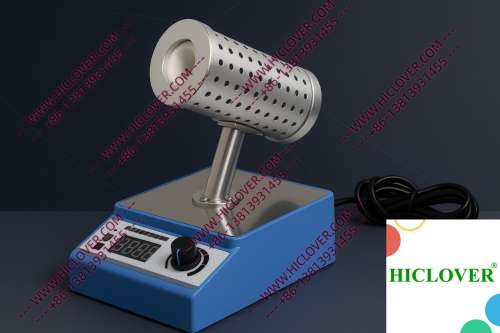
Laboratories, especially those working in BSL-2 and BSL-3 environments, face unique biosafety challenges that require reliable sterilization techniques. The need for rapid thermal sterilization that avoids flame hazards while ensuring effective disinfection is crucial. This is where infrared technology shines, offering an enclosed solution that significantly enhances safety without compromising effectiveness.
The Technical Principle Behind Infrared Sterilization
Infrared loop burners, such as the Micro Incinerator, utilize infrared heat generated by a ceramic heating chamber. This technology allows the device to reach high temperatures within seconds, ensuring thorough sterilization of tools and instruments while maintaining a clean working environment. The enclosed ceramic tube design effectively eliminates the risk of flame exposure, making it a safe choice for laboratories.
Advantages Over Traditional Flame Sterilizers
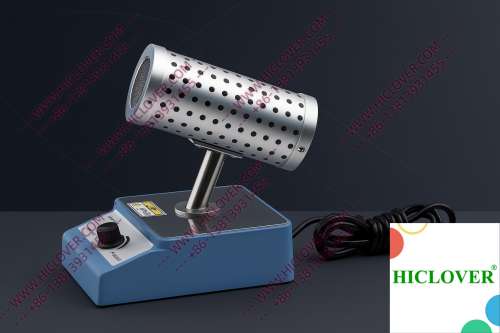
The Micro Incinerator offers several advantages over traditional flame sterilizers:
- Rapid Heating: Achieves sterilization temperatures almost instantaneously.
- No Open Flame: Reduces the risk of igniting flammable materials present in labs.
- Aerosol-Free Handling: Minimizes the risk of contamination from aerosols during the sterilization process.
- Compact Design: Easily fits into biosafety cabinets and works well in various lab settings.
Real-World Application Scenarios
1. Use in Biosafety Cabinets
In BSL-2 and BSL-3 laboratories, researchers rely on biosafety cabinets to ensure that experiments conducted with potentially hazardous biological agents are performed safely. The Micro Incinerator can be integrated easily into these settings, providing a flame-free method for sterilizing inoculating loops and other small laboratory instruments without risking contamination in the cabinet space.
2. Field Testing Laboratories
In mobile or field testing laboratories, where environmental conditions can be unpredictable, the reliability of sterilization tools is essential. The Micro Incinerator’s lightweight and portable design allows field researchers to effectively disinfect their tools on-site without relying on traditional flame methods, which can be impractical or unsafe outdoors.
Compliance and Environmentally Safe Practices
Laboratories are governed by stringent safety and compliance standards, including those established by the WHO and other biosafety organizations. In particular, the use of flame sterilizers is often discouraged in cleanrooms and sensitive environments due to the risk of contamination from soot or other residues. The Micro Incinerator not only conforms to these standards but surpasses them by providing a clean, efficient, and reliable sterilization method.
Biosafety Compliance and Laboratory Standards
Adopting the Micro Incinerator aligns with various laboratory standards for sterilization, including:
- BSL-2 and BSL-3 Compliance: Adheres to safety protocols involving potentially infectious agents.
- WHO Guidelines: Supports international practices for laboratory safety and sterilization.
- Cleanroom Standards: Ensures no flame exposure in controlled environments.
Frequently Asked Questions
What makes infrared sterilization safer than traditional flame methods?
Infrared sterilization eliminates the risk of open flames, reducing the potential for ignition of combustible materials and mitigating aerosol generation.
How quickly does the Micro Incinerator reach sterilization temperatures?
The Micro Incinerator can achieve optimal sterilization temperatures within seconds, allowing for rapid processing of inoculating loops and other instruments.
Is it suitable for field testing applications?
Yes, its compact and lightweight design makes it ideal for use in field testing labs, ensuring reliable sterilization regardless of the environment.
Can the Micro Incinerator be used inside a biosafety cabinet?
Absolutely! Its design is compatible for use within biosafety cabinets, allowing for effective sterilization without compromising safety.
How does it compare to traditional alcohol burners?
Unlike alcohol burners, which can burn out and create residue, the Micro Incinerator delivers a cleaner, more efficient sterilization method without the risks associated with liquid fuels.
Conclusion
As laboratory sterilization needs evolve, adopting advanced solutions like the Micro Incinerator becomes increasingly vital. By providing a safe and efficient means of sterilization, this infrared inoculating loop sterilizer enhances biosafety workflows and laboratory compliance. For your next laboratory equipment purchase, consider the Micro Incinerator to optimize your sterilization practices. Please contact us today to discuss how we can support your laboratory’s sterilization needs.
Categories:
Tags: