
In the fast-paced world of pathology labs, ensuring effective sterilization is crucial for maintaining biosafety standards and preventing contamination. The sterilization workflow faces challenges from diverse sample types, laboratory environments, and the need for rapid results. To address these concerns, adopting advanced sterilization equipment such as the Micro Incinerator or Infrared Inoculating Loop Sterilizer can significantly enhance laboratory efficiency and safety.
Technical Principles of Micro Incinerators
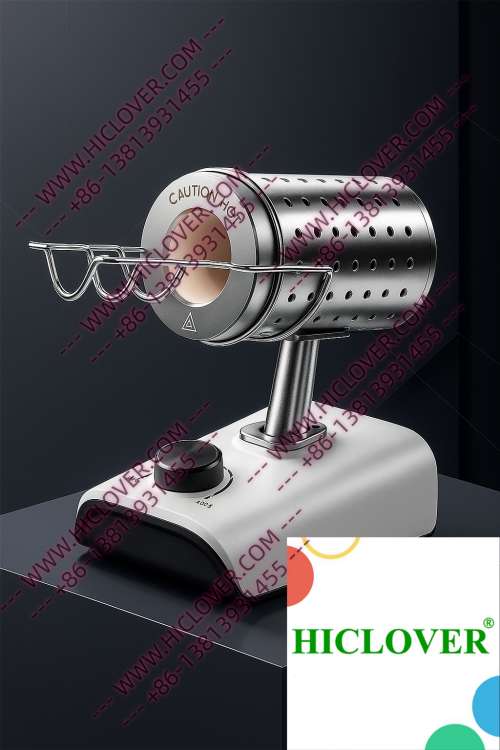
The Micro Incinerator utilizes infrared heat for rapid thermal sterilization, providing an efficient alternative to traditional flame-based sterilizers like alcohol lamps and Bunsen burners. This technology operates through an enclosed ceramic heating chamber that rapidly achieves high temperatures, allowing for quick and effective disinfection of tools such as inoculating loops and needles.
One of the standout features of the Micro Incinerator is its clean-bench-safe design. Unlike open flames, which can produce aerosols and pose a contamination risk, the infrared sterilizer operates in a controlled environment, ensuring that there’s minimal risk of contaminating the workspace or the user. This principle is paramount for compliance with modern biosafety regulations.
Application Scenarios in Pathology Labs
1. Biosafety Cabinets
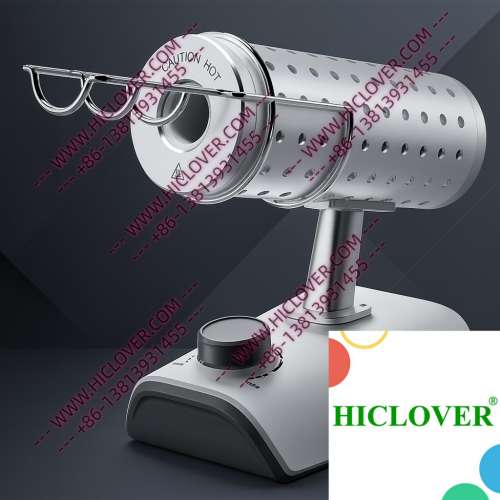
In a BSL-2 laboratory, where the handling of potential pathogens occurs, the integration of a Micro Incinerator can streamline the sterilization process. Within the confines of a biosafety cabinet, researchers can use the device to sterilize inoculating loops efficiently, ensuring that samples are not compromised by contaminants. This setup enhances workflow efficiency and maintains the integrity of sensitive biological materials.
2. University Teaching Labs
In educational settings, where students learn microbiological techniques, it is essential to implement safety-first practices. Utilizing a Micro Incinerator in teaching labs not only promotes proper sterilization techniques but also ensures the safety of students and faculty alike. By eliminating the risks associated with flames, instructors can focus on delivering effective training without the additional concern of flame-related accidents.
Compliance and Environmental Considerations
Adhering to biosafety protocols, such as those established by the WHO, is critical for all laboratories, especially in regards to sterilization methods. Traditional flame sterilizers often do not meet modern cleanroom standards due to their associated risks of introducing aerosols into the environment.
Micro Incinerators align with global sterilization standards by offering a flame-free solution that minimizes environmental exposure and contamination risks. Their utilization within BSL-2 and BSL-3 microbiology labs ensures compliance with stringent safety regulations while promoting operational efficiency.
Comparison of Micro Incinerators vs. Traditional Flame Sterilizers
| Feature | Micro Incinerators | Flame Sterilizers |
|---|---|---|
| Safety | Flame-free, minimal aerosol risk | Open flames, potential for aerosol generation |
| Temperature Control | Consistent heat output | Variable, dependent on operator |
| Ease of Use | Simple one-button operation | Requires manual flame management |
| Environment | Cleanroom-compatible | Not suitable for cleanrooms |
Frequently Asked Questions
- What is the primary advantage of using a Micro Incinerator for sterilization?
The primary advantage is its ability to sterilize tools quickly and safely without the risks associated with open flames. - Can a Micro Incinerator be used in BSL-3 labs?
Yes, it is suitable for BSL-3 labs due to its high-temperature disinfection capabilities and compliance with biosafety standards. - How does the Micro Incinerator ensure consistency in sterilization?
It uses infrared technology to maintain a precise and consistent temperature throughout the sterilization process. - Is the Micro Incinerator easy to clean?
Yes, the smooth ceramic surfaces make it straightforward to clean and maintain. - What types of samples can be sterilized using the Micro Incinerator?
It is effective for sterilizing inoculating loops, needles, and other small laboratory tools used in microbiology.
Conclusion
In conclusion, the integration of the Micro Incinerator or Infrared Inoculating Loop Sterilizer into pathology labs presents a transformative approach to laboratory sterilization. By utilizing this advanced equipment, labs can significantly enhance biosafety, ensure compliance with stringent regulations, and improve workflow efficiency in various settings, from clinical diagnostics to field testing.
For laboratories seeking to improve their sterilization processes, we invite you to contact us today for more information on the Micro Incinerator and explore how it can meet your specific needs. Invest in safe and efficient sterilization solutions that prevent contamination and enhance laboratory performance.
Categories:
Tags: