
In today’s laboratory environment, the rapid rise in microbial research demands a robust sterilization workflow that effectively minimizes contamination risks. Traditional methods, such as using alcohol lamps or Bunsen burners, present challenges, particularly in sensitive cleanroom settings and BSL-2/BSL-3 microbiology labs. As a result, advanced sterilization techniques have become imperative.
The Need for Effective Laboratory Sterilization
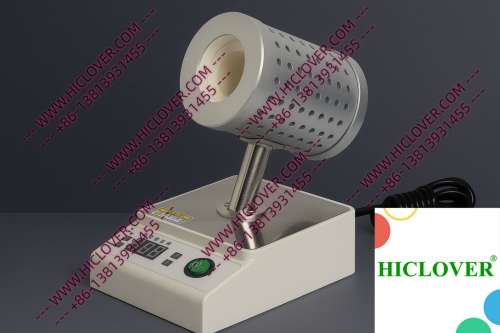
Laboratories are constantly under pressure to enhance biosafety while maintaining high throughput of experiments. The threat of contamination from airborne aerosols, particularly in clean-bench-safe environments, necessitates the adoption of more sophisticated sterilization equipment. Innovative products like the Micro Incinerator or Infrared Inoculating Loop Sterilizer have emerged as effective tools for addressing these challenges, ensuring both rapid thermal sterilization and contamination control.
Technical Principles Behind the Micro Incinerator
The Micro Incinerator employs advanced infrared heating technology, utilizing a specialized ceramic heating chamber. This enclosed design allows for high-temperature disinfection without the emission of hazardous flames or fumes. The infrared heat rapidly disinfects inoculating loops, needles, and other laboratory instruments, ensuring they are free from microbial presence within seconds.
Micro Incinerators typically reach temperatures up to 800°C, making them significantly more efficient than traditional open flame methods. The enclosed structure not only promotes safety by preventing accidents associated with open flames but also enhances thermal efficiency—meaning less energy wastage and faster turnaround times, a crucial factor in busy laboratory environments.
Application Scenarios in Real Laboratories
1. Biosafety Cabinets
Within biosafety cabinets, where contamination control is paramount, the use of a Micro Incinerator provides a perfect solution. The design of the device enables microbiologists to sterilize instruments without introducing additional risk factors associated with flame lighting. For example, during the manipulation of bacterial cultures, researchers can quickly sterilize their loops before inoculating wells, significantly reducing the risk of cross-contamination.
2. Teaching Laboratories
In educational settings such as university teaching labs, the safety of students is a top priority. The use of Micro Incinerators facilitates the teaching of aseptic techniques without the hazards of an open flame. Students can practice sterile handling methods under the supervision of instructors in a controlled environment, enhancing their learning experience while ensuring compliance with safety standards.
Compliance with Laboratory Sterilization Standards
Adhering to biosafety standards, such as those established by the World Health Organization (WHO), is critical for any laboratory focused on public health and safety. Micro Incinerators meet rigorous lab sterilization standards, as they eliminate microbial threats without generating aerosols. This feature makes them particularly suitable for cleanroom environments, where contamination control is paramount. Moreover, with strict regulations against flame use in cleanrooms, transitioning to equipment like the Micro Incinerator is both a prudent and compliant choice.
Why Choose a Micro Incinerator Over Traditional Flame Sterilizers?
Choosing a Micro Incinerator offers several key advantages over traditional flame sterilizers. The table below outlines these differences:
| Feature | Micro Incinerator | Flame Sterilizers |
|---|---|---|
| Heating Method | Infrared Heat | Open Flame |
| Safety | No Flame Hazards | Potential Fire Risks |
| Efficiency | Rapid Sterilization | Time-Consuming |
| Contamination Control | Aerosol-Free | Aerosol Generation |
| Power Source | Electricity | Gas / Alcohol |
Frequently Asked Questions (FAQs)
- What types of materials can be sterilized using a Micro Incinerator?
The Micro Incinerator is effective for sterilizing inoculating loops, needles, glassware, and other lab instruments that can withstand high temperatures. - How long does it take to achieve sterilization?
Typically, sterilization is achieved within 5-10 seconds, depending on the instrument used. - Is the Micro Incinerator suitable for field testing?
Yes, its portable design makes it ideal for field testing, where rapid sterilization is crucial while minimizing contamination risks. - How does the Micro Incinerator improve workflow in the lab?
The Micro Incinerator reduces waiting times associated with flame sterilization, allowing for faster experiments and higher efficiency in lab workflows. - What safety measures should be taken when using the Micro Incinerator?
Avoid touching the heating element after use, and always follow manufacturer guidelines for safe operation.
Conclusion
As laboratories face escalating demands for safety and efficiency, the adoption of advanced sterilization techniques, specifically the Micro Incinerator, is not just beneficial—it is essential. By shifting from traditional flame sterilizers to this innovative equipment, labs can ensure compliance with biosafety standards, enhance workflow, and significantly reduce contamination risks. For a more in-depth discussion or to explore purchasing options, don’t hesitate to reach out, and place your order today!
Categories:
Tags: