
In recent years, addressing air quality concerns has become a pressing issue in the scientific and healthcare sectors of Pakistan. Laboratories, especially in cities like Karachi and Lahore, face rigorous biosafety challenges and the need for effective sterilization workflows. Among the various sterilization methods available, the Micro Incinerator, particularly the Infrared Inoculating Loop Sterilizer, has emerged as a critical tool in maintaining laboratory hygiene and ensuring compliance with international standards.
Understanding the Technical Principles of Micro Incinerators
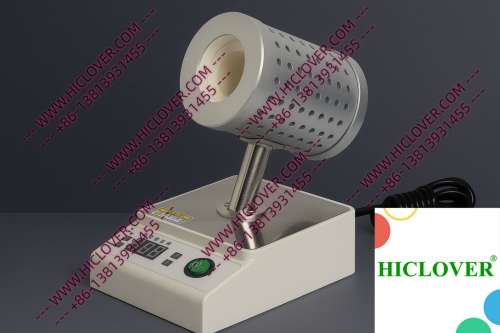
The Micro Incinerator operates on the principle of rapid thermal sterilization, utilizing infrared technology to deliver high heat efficiently and evenly. Enclosed within a ceramic tube, the infrared elements emit concentrated heat, allowing for high-temperature disinfection without the use of open flames. This enclosed configuration provides several distinct advantages:
- Safety: The absence of flames reduces the risk of accidental fires or burns in sensitive laboratory environments.
- Efficiency: Infrared heat transfers quickly to the inoculating loop, ensuring immediate sterilization.
- Contamination Control: The aerosol-free handling minimizes the potential for airborne contaminants.
Application Scenarios in Laboratories
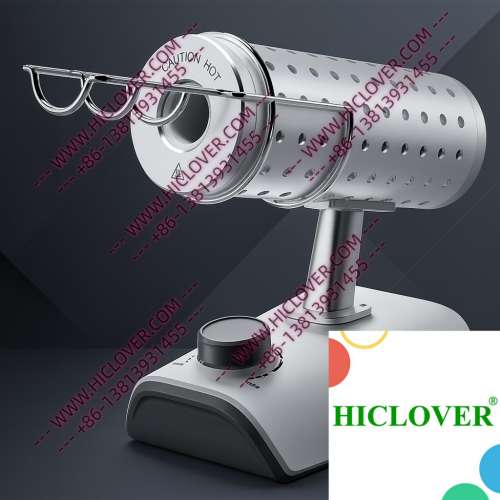
The Micro Incinerator is versatile and finds application in various laboratory settings. For example:
Biosafety Cabinets
In BSL-2 and BSL-3 microbiology laboratories, where the risk of airborne pathogens is significant, the Micro Incinerator provides a clean-bench-safe option for sterilizing inoculating loops and other small tools. Its rapid sterilization capability ensures that tools are free from contaminants before they come into contact with cultures, thus protecting lab personnel and minimizing biological hazards.
Field Testing Laboratories
In mobile or field testing labs, particularly in rural regions of Pakistan, resources can be limited. The portability and ease of use of the Micro Incinerator enable rapid sterilization of tools in remote locations, where traditional sterilization methods might not be feasible. This capability is especially vital for environmental sampling and testing during disease outbreaks.
Compliance with International Standards
Compliance with international biosafety standards, such as those set forth by the World Health Organization (WHO), is crucial for laboratories, especially in countries combating infectious diseases. The Micro Incinerator not only aligns with WHO biosafety recommendations but also adheres to laboratory sterilization standards that prohibit the use of open flames in clean rooms. By providing a flame-free sterilization option, this product enhances operational safety and ensures a sterile working environment, which is crucial for any laboratory performing diagnostics or research.
Comparing Micro Incinerators to Traditional Flame Sterilizers
| Feature | Micro Incinerator | Flame Sterilizers (Bunsen Burners, Alcohol Lamps) |
|---|---|---|
| Safety | No flame, minimal risk of burns | Open flame, risk of burns and fires |
| Speed of Sterilization | Immediate thermal response | Varies, often slower |
| Contamination Control | Aerosol-free handling | Risk of aerosol generation |
| Ease of Use | Portable and user-friendly | Requires more careful handling |
FAQs About Micro Incinerators
What makes the Micro Incinerator safer than traditional sterilization methods?
The Micro Incinerator eliminates the risk of open flames, which means fewer chances of laboratory accidents, making it ideal for sensitive environments.
Can the Micro Incinerator be used in university teaching labs?
Absolutely. The unit is perfect for teaching laboratories, providing students with a safe and effective way to learn sterilization techniques without the hazards associated with flame sterilizers.
How does the Micro Incinerator align with WHO biosafety standards?
It complies with WHO recommendations regarding biosafety and sterilization protocols, assuring laboratories of its efficiency and safety in handling biological materials.
What is the average lifespan of a Micro Incinerator?
With proper maintenance, a Micro Incinerator can last several years, offering substantial long-term cost savings for laboratories.
Is it suitable for mobile testing labs?
Yes, the Micro Incinerator’s compact design makes it an excellent choice for mobile laboratories needing reliable sterilization solutions on the go.
Conclusion
In conclusion, the Micro Incinerator, specifically the Infrared Inoculating Loop Sterilizer, stands out as an essential tool for laboratories in Pakistan dealing with air quality concerns and biosafety challenges. Its efficient, portable, and safe sterilization capabilities offer a significant improvement over traditional flame sterilizers, making it indispensable for both clinical and research applications. If you are interested in enhancing your laboratory sterilization practices and ensuring compliance with international standards, consider investing in a Micro Incinerator today. For inquiries or to place an order, please contact us.
Categories:
Tags: