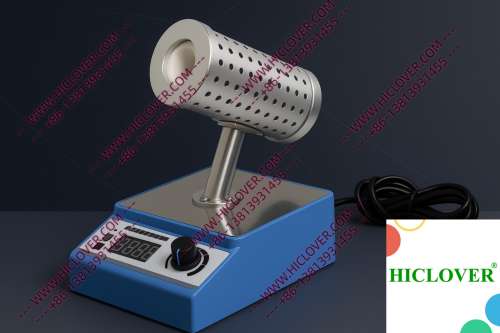
In a landscape increasingly focused on sustainability, laboratories face pressing biosafety challenges and demands for efficient sterilization workflows. Traditional flame sterilization methods, including alcohol lamps and Bunsen burners, often pose risks, such as open flames in sterile environments, raising the stakes for contamination control. As a solution, Micro Incinerators, specifically the Infrared Inoculating Loop Sterilizer, are revolutionizing sterilization practices in Egypt’s laboratories, particularly in microbiology and clinical diagnostics.
Technical Principles of Micro Incinerators
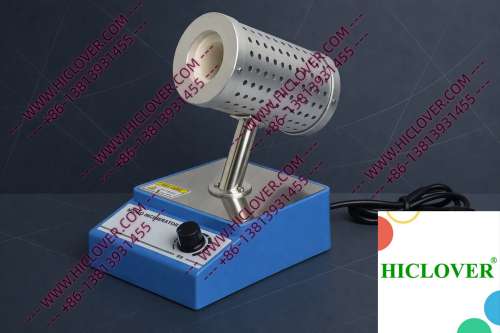
The Micro Incinerator operates on a simple yet effective principle: rapid thermal sterilization utilizing infrared heat. Within its enclosed ceramic chamber, the device can reach high temperatures swiftly, ensuring comprehensive disinfection without the hazards associated with flames. The ceramic heating element allows for a uniform temperature distribution, which is crucial for eliminating pathogenic microorganisms effectively.
Product Configuration
Typical configurations of the Infrared Inoculating Loop Sterilizer include an ergonomic design that promotes ease of use and portability, making it suitable for various settings, from university teaching labs to field-testing scenarios. With a digital display, users can monitor temperature settings accurately, allowing for adaptability to specific sterilization requirements.
Application Scenarios in the Lab
Biosafety Cabinets
In a BSL-2 microbiology lab, the Micro Incinerator serves as an essential tool for rapid sterilization of inoculating loops and other equipment. Unlike traditional methods that introduce the risk of aerosols and secondary contamination, the infrared design guarantees clean-bench-safe operations by eliminating flame. This reduces the chances of cross-contamination and improves overall safety in the workspace.
Field Testing
In mobile or field testing labs, such as those conducting epidemiological studies in rural areas of Egypt, the portability of these devices becomes invaluable. Researchers can quickly sterilize tools on-site without needing a reliable power source, as many modern micro incinerators utilize rechargeable batteries. This flexibility ensures that contamination is minimized even when conducting tests in remote locations.
Compliance and Environmental Considerations
When selecting sterilization equipment, adherence to biosafety standards is paramount. The World Health Organization (WHO) emphasizes strict compliance with laboratory sterilization protocols to mitigate infectious disease spread. Micro Incinerators align with regulations such as:
- WHO Biosafety Guidelines
- ISO 15593 for microbiology laboratories
- Standards for disinfection in cleanrooms, which advocate for flame-free environments
Moreover, the environmental footprint of these systems is notably lower than traditional flame burners. By eliminating the need for combustible materials, laboratories can reduce their reliance on flammable substances, contributing to a safer and more sustainable operational environment.
Advantages Over Traditional Flame Sterilizers
The Micro Incinerator offers various advantages over traditional flame sterilizers:
- Safety: No open flames, reducing the risk of fire hazards.
- Aerosol-Free Handling: Minimizes the generation of aerosols, protecting lab personnel.
- Faster Operation: Achieves sterilization quickly due to rapid thermal induction.
- Adaptability: Suitable for different lab environments, including BSL-2 and BSL-3.
- Energy Efficiency: Lower energy consumption compared to running multiple flame sterilizers.
FAQs About Micro Incinerators
1. What are Micro Incinerators used for?
Micro Incinerators are primarily used for sterilizing laboratory equipment such as inoculating loops, forceps, and glass slides to prevent contamination in experiments.
2. How do Micro Incinerators compare to traditional flame sterilizers?
Micro Incinerators are safer, produce fewer aerosols, and sterilize equipment faster without the risks associated with flames. They are also more energy-efficient and can be used in sterile environments without compromising safety.
3. Are Micro Incinerators environmentally friendly?
Yes, Micro Incinerators reduce the use of flammable materials, minimizing environmental impact and adhering to modern pollution control standards.
4. Can Micro Incinerators be used in field testing?
Absolutely! Their portable design makes them ideal for rapid sterilization in various field testing scenarios, including remote research locations.
5. What regulations do Micro Incinerators comply with?
Micro Incinerators comply with WHO biosafety guidelines and lab sterilization standards, ensuring they are suitable for use in controlled environments.
Conclusion
As Egypt moves towards sustainable laboratory practices, Micro Incinerators like the Infrared Inoculating Loop Sterilizer represent a pivotal shift in achieving effective sterilization while adhering to higher safety standards. By investing in advanced sterilization technologies, laboratories can enhance their operational efficiency and safety protocols. For more information or a quotation on our Micro Incinerators, please feel free to reach out to our sales team today!
Categories:
Tags: