
In the increasingly stringent landscape of laboratory biosafety, researchers and technicians encounter significant challenges in maintaining efficient sterilization workflows. Particularly in diagnostic laboratories, where the risk of cross-contamination is high, the need for reliable and safe sterilization equipment is paramount. Enter Micro Incinerators, or Infrared Inoculating Loop Sterilizers, innovative devices designed to enhance sterilization processes while ensuring maximum safety in laboratory environments.
Understanding Micro Incinerators: The Technical Principle
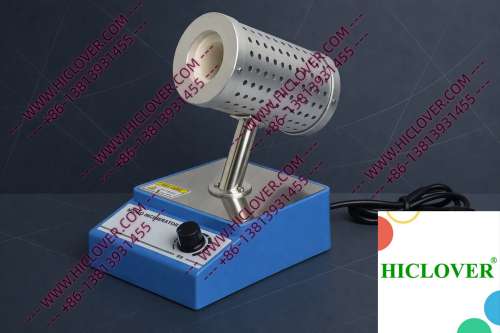
The operation of Micro Incinerators is rooted in a unique technical principle: rapid thermal sterilization via infrared heat. Utilizing an enclosed ceramic heating chamber, they achieve high temperatures that effectively eradicate microbial life without the risk associated with open flames. Unlike traditional methods like alcohol lamps or Bunsen burners, Micro Incinerators operate without flames, significantly reducing the hazards of open flames in clean rooms and biosafety cabinets.
- Infrared High-Temperature Disinfection: Reaches sterilization temperatures rapidly, enhancing workflow efficiency.
- Contamination Control: The closed system minimizes aerosol generation and exposure risks.
- Compact Design: Portable and easy to integrate into various lab setups.
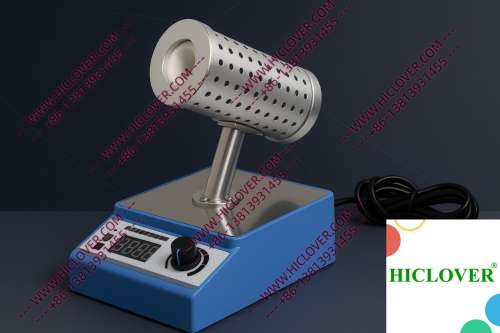
Applications of Micro Incinerators in Real Labs
Micro Incinerators find critical applications in diverse laboratory environments, addressing specific sterilization needs:
Biosafety Cabinets
In BSL-2 and BSL-3 microbiology labs, where handling infectious agents is routine, Micro Incinerators serve as essential tools for sterilizing inoculating loops and other instruments. Their compact design fits seamlessly within biosafety cabinets, allowing for sterile tool preparation without compromising the controlled environment necessary for safeguarding both the user and the samples.
University Teaching Labs
Another noteworthy application is in university teaching laboratories, where practical microbiology courses demand fast and efficient sterilization methods. Students benefit from using Micro Incinerators as they present a safe alternative to growing flames, reducing the risk of accidents while learning proper sterilization techniques. The clear, visible sterilization process enhances educational value, allowing students to observe the principles of microbial control in action.
Compliance and Environmental Considerations
Compliance with global laboratory sterilization standards is critical to maintaining safety and operational efficiency. The World Health Organization (WHO) outlines stringent biosafety regulations that laboratories must adhere to. Implementing Micro Incinerators supports compliance with these standards by minimizing open flames, thereby reducing the risk of fire hazards in clean rooms.
Moreover, laboratories are increasingly focused on environmental sustainability. Flame sterilizers contribute to air pollution and risk creating dangerous fumes in sensitive environments. Micro Incinerators, in contrast, are designed with clean-bench-safe technology, preventing contamination and ensuring a safer working atmosphere.
Micro Incinerators vs. Traditional Flame Sterilizers
When comparing Micro Incinerators to traditional flame sterilizers, the differences in safety, efficiency, and usability are pronounced. Below is a comparison table highlighting these differences:
| Feature | Micro Incinerator | Flame Sterilizer |
|---|---|---|
| Safety | No open flame, minimizes risks | Open flame, higher accident risk |
| Efficiency | Rapid sterilization in seconds | Inconsistent heating time |
| Ease of Use | Simple operation with less complexity | Requires skill and experience |
| Contamination Control | Enclosed heating prevents aerosol generation | More exposure to contaminants |
Frequently Asked Questions
- What is the main advantage of using a Micro Incinerator over traditional flame sterilizers?
The main advantage is the enhanced safety and efficiency; Micro Incinerators operate without open flames, significantly reducing the risk of accidents, while providing rapid thermal sterilization capabilities. - Can Micro Incinerators be used in field testing labs?
Yes, their compact and portable design makes them ideal for mobile applications, allowing for field use in safe sterilization practices. - What temperature can a Micro Incinerator reach?
Micro Incinerators can reach temperatures exceeding 800°C, ensuring effective sterilization of all microbial life. - Are Micro Incinerators compliant with WHO biosafety standards?
Yes, they are designed to meet stringent biosafety and laboratory sterilization standards, providing a safe solution for handling infectious materials. - How does the sterilization process work with a Micro Incinerator?
The device uses infrared radiation to rapidly heat a ceramic tube, which destroys microorganisms on inoculating loops or other small instruments in just seconds.
Conclusion
In conclusion, Micro Incinerators represent a pivotal development in laboratory sterilization equipment. By balancing efficiency with paramount safety, they are ideal choices for diagnostic labs, teaching facilities, and field testing environments. If you’re ready to enhance your laboratory’s sterilization protocol and improve workflow efficiency, consider investing in a Micro Incinerator today. For inquiries or to make a purchase, please contact us for further information!
Categories:
Tags: