
In the world of laboratory biosafety, the challenges posed by contamination control and sterilization are ever-present. For microbiological research, especially in laboratory safety levels BSL-2 and BSL-3, the sterilization process becomes a fundamental necessity. The efficient and safe handling of inoculating loops and other tools is critical to preventing cross-contamination. As laboratories expand and evolve, there is an increasing demand for effective sterilization practices that adhere to stringent safety and environmental standards.
Understanding the Technology
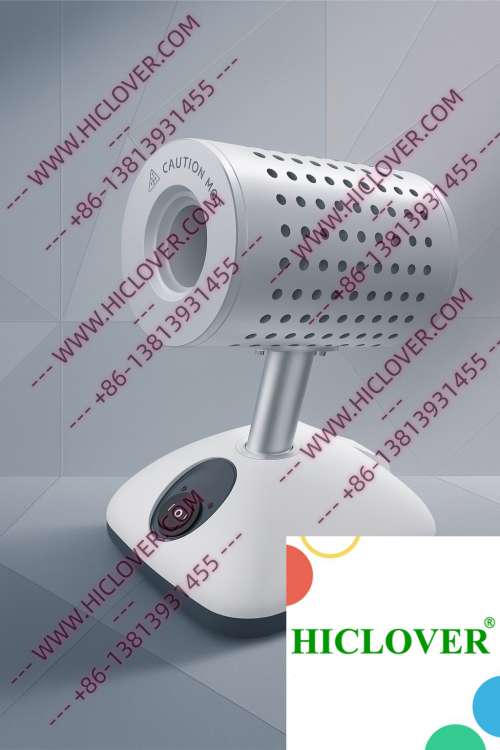
One effective solution to these challenges is the Micro Incinerator, an essential tool for sterilization in laboratory settings. Utilizing the principles of infrared heat, these devices enable rapid thermal sterilization of inoculating loops, forceps, and other small tools used in microbiological research. The Micro Incinerator comprises a stainless-steel body and an enclosed ceramic heating chamber, which is designed to reach high temperatures in a short amount of time. This design minimizes the risk of hazardous aerosol generation, common with traditional flame sterilizers such as Bunsen burners and alcohol lamps.
Technical Advantages
- Rapid Thermal Sterilization: Infrared heating provides immediate results, eliminating the need for a prolonged warm-up period.
- Aerosol-Free Handling: The enclosed design of the ceramic tube prevents the production of harmful aerosols during the sterilization process, protecting laboratory personnel.
- Clean-Bench-Safe: In environments with stringent cleanroom regulations, the flame-free design ensures compliance.
- Energy Efficient: The Micro Incinerator uses less energy than traditional flame sterilization methods.
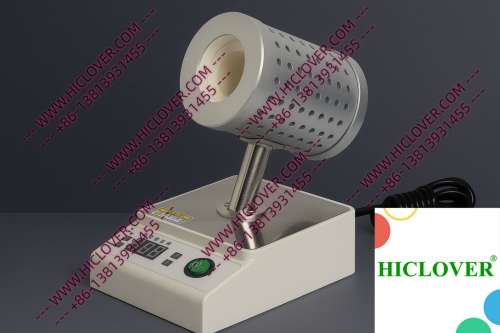
Application Scenarios in Real Labs
The versatility of the Micro Incinerator makes it suitable for various laboratory settings. Here are two notable applications:
1. Biosafety Cabinets
In BSL-2 and BSL-3 laboratories, the Micro Incinerator serves as a crucial sterilization tool within biosafety cabinets. Its compact size and efficient design make it an excellent choice for quick sterilization without the hazards associated with open flames. Researchers utilizing inoculating loops for handling pathogenic samples can confidently sterilize their tools in a controlled environment, ensuring a contamination-free workspace.
2. Field Testing Laboratories
Micro Incinerators are also invaluable in mobile laboratories or field testing setups, where access to conventional laboratory equipment may be limited. The portability and lightweight nature of these devices enable rapid sterilization of tools used for sampling in remote locations. For example, during environmental microbiology studies, researchers can eliminate contamination risks in situ, ensuring that samples remain uncompromised from the moment of collection.
Compliance with Safety Standards
When it comes to laboratory sterilization equipment, compliance with recognized standards is paramount. The World Health Organization (WHO) guidelines and various laboratory sterilization standards emphasize the necessity of using methods that minimize risk and ensure safety. Traditional flame sterilizers, while effective, often generate smoke and aerosols that are not suitable for cleanroom environments. Micro Incinerators meet these regulations by providing a safe, flame-free alternative for tool sterilization.
In addition, the absence of a flame reduces the risk of fire hazards, making them particularly useful in clinical diagnostics labs where flammable materials are often present. Moreover, for facilities located in urban areas such as San Francisco, New York City, or London, where strict environmental regulations are enforced, the Micro Incinerator’s efficiency aligns with sustainability goals.
Comparison of Micro Incinerators vs. Traditional Flame Sterilizers
| Feature | Micro Incinerator | Flame Sterilizers |
|---|---|---|
| Heat Source | Infrared | Open Flame |
| Aerosol Risk | Minimized | High |
| Compliance with Cleanroom Standards | Yes | No |
| Energy Efficiency | High | Moderate |
| Portability | Yes | No |
Frequently Asked Questions
What types of facilities can benefit from using Micro Incinerators?
Micro Incinerators are ideal for various facilities, including university teaching labs, clinical diagnostics centers, BSL-2/BSL-3 research labs, and mobile testing sites.
Are Micro Incinerators safe to use?
Yes, these devices are designed with safety in mind, featuring flame-free operation and minimized aerosol generation, which reduces the risk of contamination and fire hazards.
How does the speed of sterilization compare to traditional methods?
Micro Incinerators provide rapid thermal sterilization, achieving effective results in a fraction of the time compared to traditional flame sterilizers that require longer heating cycles.
Can Micro Incinerators be used in cleanrooms?
Absolutely! Their flame-free design makes them suitable for sterile environments and cleanroom applications, complying with necessary industry regulations.
Are there any specific maintenance requirements for these devices?
Micro Incinerators require minimal maintenance; regular cleaning of the ceramic tube and checking for any wear or damage ensures optimal performance.
Conclusion
In a world where environmental responsibility and effective waste management are increasingly vital, Micro Incinerators shine as a beacon of innovation in laboratory sterilization. With their numerous advantages over traditional flame sterilizers, they represent a forward-thinking approach to biosafety and contamination control. If you’re interested in elevating your sterilization protocols and enhancing laboratory safety, consider exploring our selection of high-quality Micro Incinerators and take a step towards a more sustainable and safe research environment. Contact us today for more information!
Categories:
Tags: