
In today’s laboratory environment, the challenges of biosafety and effective sterilization protocols have never been greater. As biotechnological research and clinical diagnostics continue to advance, so do the demands placed on laboratory sterilization equipment. Traditional methods such as alcohol lamps and Bunsen burners are increasingly giving way to more sophisticated devices. Among these, the Micro Incinerator or Infrared Inoculating Loop Sterilizer stands out as a superior sterilization solution. With a focus on [target_keywords] such as rapid thermal sterilization, contamination control, and clean-bench-safe performance, this article delves into the implications of closed-chamber technologies on laboratory workflows.
Understanding Closed-Chamber Sterilization Technologies

The Micro Incinerator operates on the principle of infrared heat, utilizing an enclosed ceramic tube to achieve high temperatures rapidly and efficiently. Unlike flame-based methods that pose risks of aerosol generation and introduce contaminants into the sterile field, closed-chamber technologies provide a safer alternative. The key advantages include:
- Rapid Thermal Sterilization: The Micro Incinerator reaches its peak temperature in mere seconds, allowing for swift sterilization cycles, thus enhancing laboratory workflow.
- Aerosol-Free Handling: The enclosed chamber prevents the escape of harmful aerosols, making operations safer for laboratory personnel.
- Clean-Bench-Safe: Ideal for use within biosafety cabinets, ensuring compliance with strict safety standards.
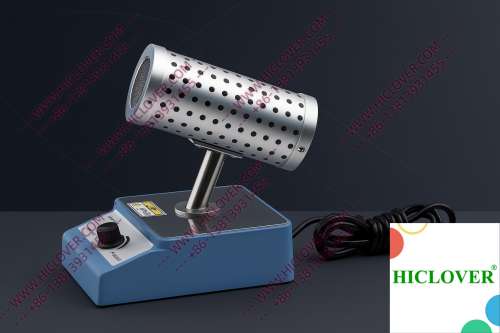
This combination of efficiency, safety, and technological innovation makes the Micro Incinerator a vital asset in modern laboratories.
Applications in Real Laboratories
Micro Incinerators find relevance across various laboratory settings. Here, we explore two application scenarios that highlight their benefits:
1. Teaching Labs in Universities
In university teaching laboratories, where students are training in microbiology and molecular biology, effective sterilization is crucial. Micro Incinerators provide a controlled and safe environment for students to learn sterilization techniques without the risks associated with traditional flame sterilizers. The ability to quickly sterilize inoculating loops and other tools allows for more hands-on experimentation and learning time, ultimately enriching the educational experience.
2. Field Testing Laboratories
Field testing for environmental microbiology often presents unique challenges, including limited access to traditional sterilization tools. The portability and efficiency of the Micro Incinerator make it ideal for such scenarios. Whether collecting soil samples or testing water quality, researchers can ensure that their tools are effectively sterilized on-site without the need for bulky equipment or an external power source. This level of flexibility is enticing for laboratories operating outside a controlled environment.
Compliance and Environmental Considerations
Adhering to biosafety standards is paramount in laboratory operations. Organizations such as the World Health Organization (WHO) set rigorous guidelines for lab sterilization practices, espousing methods that minimize risks of contamination. The Micro Incinerator not only meets these standards but also excels in environments that require no open flame, such as clean rooms and BSL-2/BSL-3 microbiology labs.
Biosafety Compliance Reference
| Parameter | Micro Incinerator | Flame Sterilizer |
|---|---|---|
| Safety | High (no flame) | Moderate (risk of flame spread) |
| Thermal Efficiency | Rapid | Variable |
| Contamination Control | Excellent | Poor (potential aerosol generation) |
Using a Micro Incinerator significantly reduces risks associated with contamination, a critical concern in today’s research and clinical environments.
Frequently Asked Questions
- What is the primary advantage of a Micro Incinerator over traditional flame sterilizers?
The Micro Incinerator is safer due to its enclosed design, which prevents aerosol generation and risks associated with open flames. - Can the Micro Incinerator be used in BSL-3 labs?
Yes, its compliance with biosafety standards makes it an excellent choice for BSL-3 environments. - How fast does the Micro Incinerator heat up?
It typically reaches sterilization temperatures within seconds, streamlining laboratory workflows. - Is the Micro Incinerator portable?
Yes, its compact design allows for easy transport, making it suitable for field testing applications. - What kind of maintenance does a Micro Incinerator require?
Minimal maintenance is needed; regular cleaning of the ceramic tube is recommended for optimal performance.
Conclusion
As laboratories continue to adapt to evolving standards and practices, the adoption of closed-chamber sterilization technologies, such as the Micro Incinerator, is essential. Offering enhanced safety, efficiency, and compliance, this innovative sterilization equipment is paving the way for the future of laboratory practices. If you’re ready to enhance your laboratory’s sterilization solutions, we invite you to contact us today for more information on purchasing the Micro Incinerator for your facility.
Categories:
Tags: