
In the ever-evolving world of laboratory environments, maintaining the highest levels of biosafety is paramount. Laboratories, particularly in the clinical diagnostics and microbiology fields, face numerous biosafety challenges, including contamination control and workflow efficiency. Traditional flame sterilizers, such as alcohol lamps and Bunsen burners, pose risks, including open flames, health hazards, and aerosol generation. In this context, the introduction of innovative sterilization solutions like the Micro Incinerator / Infrared Inoculating Loop Sterilizer emerges as a game-changer.
Understanding Micro Incineration Technology
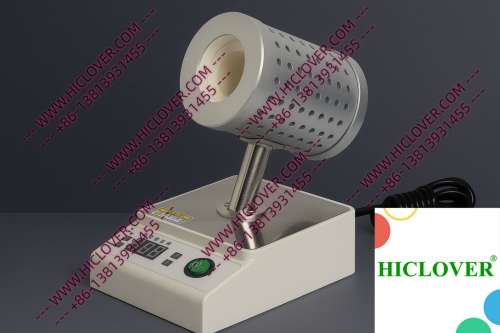
The Micro Incinerator operates on the principle of rapid thermal sterilization through the use of infrared heat. Unlike flame-based sterilizers, it employs an enclosed ceramic heating chamber, which achieves high-temperature disinfection without the dangers associated with flames. The ceramic tube design enables effective and uniform heating, ensuring that inoculating loops and other laboratory tools achieve the requisite sterilization temperature swiftly.
This closed system not only enhances user safety but also minimizes the production of hazardous aerosols, making it ideal for use in BSL-2 and BSL-3 microbiology labs, where contamination risks are elevated. Every cycle effectively eliminates pathogens, including bacteria and viruses, thus adhering to stringent sterilization standards.
Features and Advantages of the Micro Incinerator
- Rapid thermal sterilization: Achieves sterilization in seconds.
- Safety: Enclosed design to prevent open flames.
- Energy-efficient: Minimizes energy usage compared to traditional methods.
- Compact and portable: Suitable for mobile or field testing labs.
- Minimal maintenance: Simple cleaning procedures ensure longevity.
- Elimination of the need for flames in clean room environments, which is crucial for maintaining air quality.
- Statistics showcase that ISO 9001 and other quality assurance standards are met effectively through its operation.
- Reduction of aerosols prevents contamination of the laboratory environment and protects personnel.
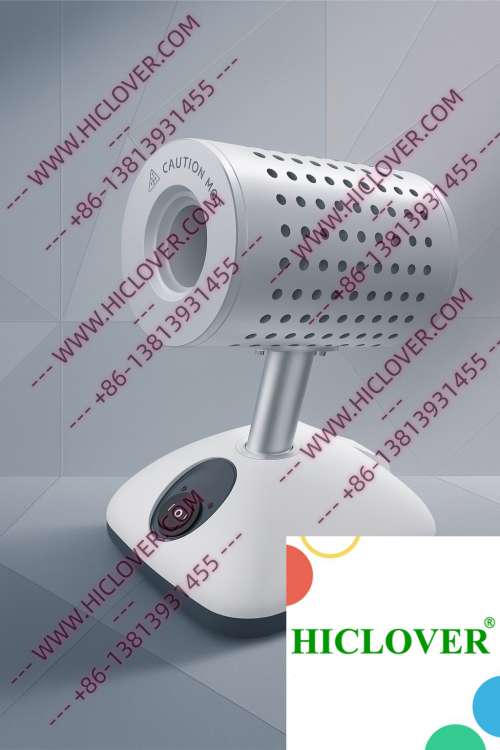
Compared to traditional flame sterilizers, the Micro Incinerator stands out in numerous ways:
| Feature | Micro Incinerator | Traditional Flame Sterilizers |
|---|---|---|
| Open Flame | No | Yes |
| Aerosol Generation | No | Yes |
| Temperature Control | Precise | Variable |
| Startup Time | Seconds | Minutes |
| Ease of Use | User-friendly, no specialist training required | Requires experience and training |
Practical Applications in Laboratories
Application scenarios for the Micro Incinerator are vast, with significant effectiveness demonstrated in various laboratory settings.
1. Biosafety Cabinets
In a biosafety cabinet, maximizing aseptic techniques is crucial. The Micro Incinerator can be integrated seamlessly to sterilize inoculating loops and tools between samples, thereby drastically reducing the risk of cross-contamination. Its infrared heat technology ensures that tools are sterilized swiftly and without the hazards associated with conventional flames.
2. Field Testing Laboratories
In mobile or remote field testing labs, reliable sterilization methods are essential. The Micro Incinerator’s compact design and rapid sterilization capability make it a preferred choice for field scientists conducting biological sampling in environments where traditional sterilization methods would be impractical or unsafe. This allows researchers to maintain sample integrity while adhering to biosafety protocols.
Compliance and Environmental Concerns
Laboratories worldwide operate under stringent guidelines, such as those stipulated by the World Health Organization (WHO) and various national lab sterilization standards. The Micro Incinerator complies with these regulations by ensuring:
Failing to adhere to these biosafety standards can jeopardize the integrity of research outcomes and patient safety. Utilizing advanced sterilization methods not only fosters compliance but significantly enhances laboratory operational efficiencies.
Frequently Asked Questions
What is the primary advantage of using a Micro Incinerator over traditional sterilizers?
The Micro Incinerator provides rapid, effective sterilization without the risks associated with open flames or aerosol generation, making it safer and more efficient for laboratory use.
Can the Micro Incinerator be used in clean rooms?
Yes, it is designed specifically for clean room conditions where open flames are not permissible, helping maintain high levels of cleanliness.
How long does it take to sterilize instruments?
In most cases, sterilization is achieved in less than 10 seconds, which drastically reduces downtime between procedures.
Is training required to operate the Micro Incinerator?
Minimal training is necessary, as the device is engineered for ease of use. Users can achieve optimal sterilization results quickly.
What types of instruments can be sterilized using the Micro Incinerator?
It is effective for sterilizing inoculating loops, needles, and other small tools used in microbiological procedures.
Conclusion
The Micro Incinerator / Infrared Inoculating Loop Sterilizer exemplifies a leap in laboratory sterilization technology, addressing the pressing demands of safety and efficiency in today’s biosafety-conscious environment. For laboratories seeking to enhance their sterilization workflows while emphasizing compliance and safety, this device is an essential investment. Explore how the advanced features of the Micro Incinerator can transform your sterilization processes. Contact us today for more information or to arrange for a demonstration.
Categories:
Tags: