
In modern scientific research, laboratories are challenged by rigorous biosafety standards and the necessity for effective sterilization workflows. Laboratories, including clinical diagnostics, microbiology labs, and teaching facilities, must ensure that all equipment used is effective in preventing contamination and maintaining a sterile environment. As a response to these challenges, electric heating sterilizers, such as the Micro Incinerator or Infrared Inoculating Loop Sterilizer, have emerged as pivotal tools for laboratory sterilization.
Technical Principles Behind Electric Heating Sterilizers
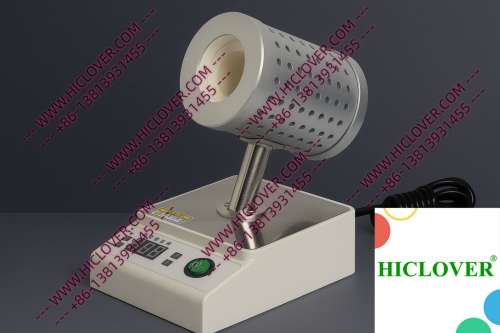
The operational principle of a Micro Incinerator primarily relies on rapid thermal sterilization through infrared technology. Unlike traditional flame sterilizers such as alcohol lamps and Bunsen burners, which utilize an open flame, the Micro Incinerator employs an enclosed ceramic heating chamber. This design provides controlled, high-temperature disinfection with enhanced safety features.
The enclosed ceramic tube provides a sterile area for the inoculating loop, allowing for efficient sterilization without the risk of aerosol generation or contamination. When heated, the ceramic tube reaches temperatures sufficient to eradicate bacterial spores and other pathogens in seconds, ensuring that laboratory tools are ready for immediate use.
Applications of Micro Incinerators in Real Labs
Application Scenario 1: Biosafety Cabinets
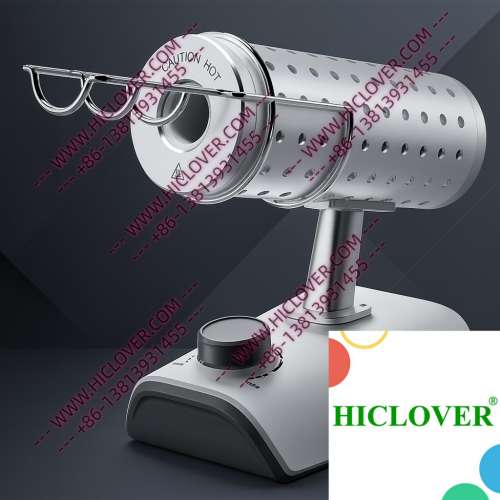
In BSL-2 and BSL-3 microbiology laboratories, maintaining biosafety is paramount. Micro Incinerators are routinely employed in biosafety cabinets, where they serve to sterilize inoculating loops and other small tools between uses. This not only ensures that practitioners avoid cross-contaminating samples but also upholds the integrity of research findings. The vapors and flames associated with traditional sterilizers can pose significant biosafety risks in these controlled environments, making the Micro Incinerator an ideal solution.
Application Scenario 2: Teaching Laboratories
Universities often conduct practical laboratory classes where students learn microbiological techniques. Using traditional flame-based sterilizers can be hazardous, especially for novice users. Electric heating sterilizers like the Micro Incinerator provide a safer alternative. Students can easily learn proper sterilization techniques without the risks associated with open flames, allowing for a more controlled and focused educational experience.
Compliance and Environmental Considerations
Adhering to global safety standards is critical in laboratory environments. The World Health Organization (WHO) provides stringent guidelines for laboratory biosafety, emphasizing the importance of effective sterilization methods to minimize the risk of contamination and infection transfer. Traditional flame sterilizers can create hazardous aerosols, thereby failing to meet modern biosafety standards.
Moreover, electric sterilizers align with clean room requirements, allowing for sterile operations in environments such as CO₂ incubators or anaerobic chambers, where open flames would compromise sterility. Many laboratories in urban areas such as Tokyo, London, and New York City have begun to transition towards flame-free sterilization methods to meet local environmental regulations and enhance safety protocols.
Comparison of Micro Incinerators and Traditional Flame Sterilizers
| Feature | Micro Incinerator | Flame Sterilizers |
|---|---|---|
| Safety | Closed system, reduced risk of fire | Open flame, higher risk of accidents |
| Efficiency | Rapid sterilization in seconds | Continuous flame management needed |
| Contamination Control | Aerosol-free handling | Aerosols can spread pathogens |
| Usability | Simple and intuitive operation | Requires more experience and caution |
Frequently Asked Questions
- What is the primary advantage of using a Micro Incinerator over a traditional flame sterilizer? The Micro Incinerator provides a closed system for sterilization that significantly reduces risk factors associated with open flames, including fire hazards and contamination through aerosols.
- How fast can the Micro Incinerator sterilize tools? The Micro Incinerator can achieve sterilization in mere seconds, making it highly efficient for busy laboratory environments.
- Is the Micro Incinerator suitable for use in BSL-2 and BSL-3 labs? Yes, the Micro Incinerator meets the stringent requirements of BSL-2 and BSL-3 laboratories, preventing cross-contamination and ensuring sample safety.
- Can you use the Micro Incinerator in a clean room setting? Absolutely, its flame-free operation makes it ideal for use in clean rooms and other sterile environments.
- What specific settings can benefit from using a Micro Incinerator? Clinical diagnostics, university teaching labs, and mobile testing labs are just a few examples of settings where Micro Incinerators can enhance safety and workflow efficiency.
Conclusion
As scientific research continues to advance, the need for effective sterilization methods becomes increasingly vital. Electric heating sterilizers like the Micro Incinerator offer unparalleled advantages in terms of safety, efficiency, and compliance with biosafety standards. Laboratories, whether in bustling urban centers or in rural research outposts, can benefit significantly from upgrading to these innovative sterilization solutions. For more information or to make a purchase, contact us today!
Categories:
Tags: