
Laboratories face a myriad of biosafety challenges, particularly in microbiology and clinical environments where contamination control is paramount. The sterilization workflow must ensure that all instruments, like inoculating loops and glass slides, are effectively decontaminated to prevent cross-contamination. As urban demands grow, so does the necessity for efficient, safe sterilization methods that comply with strict biosafety standards. Continuous heat micro incinerators, specifically designed for precision sterilization, offer a compelling solution as they elevate laboratory practices across a range of scenarios.
Technical Principles of Micro Incinerators
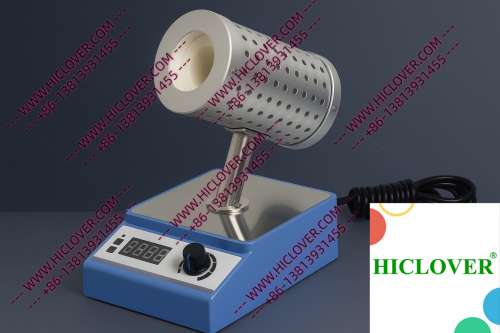
The micro incinerator employs advanced infrared heat technology for rapid thermal sterilization, making it superior to traditional methods like Bunsen burners and alcohol lamps. At its core, the device features an enclosed ceramic heating chamber that provides consistent, high-temperature disinfection without the risk of flame-related hazards. This technology facilitates aerosol-free handling, significantly reducing the risk of airborne pathogens during the sterilization process.
Unlike flame sterilizers, which expose instruments to a variable heat source that can sometimes lead to incomplete sterilization, the micro incinerator offers uniform thermal application. This precision is crucial in sensitive environments such as BSL-2 and BSL-3 microbiology labs, where effective decontamination is not just a best practice, but a mandatory requirement.
Applications of Micro Incinerators in Laboratories
Micro incinerators have been incorporated into various laboratory settings, proving their versatility and efficacy. Here are two prominent application scenarios:
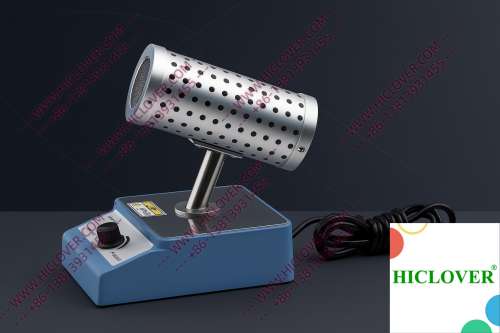
- Biosafety Cabinets: In BSL-2 laboratories, uninterrupted airflow is essential. Micro incinerators can be strategically placed within biosafety cabinets to decontaminate inoculating loops with maximum efficiency. Their compact design aids in maximizing workspace, ensuring a clean and safe environment while an experiment is underway.
- Field Testing Laboratories: Field testing labs often face unique challenges, including limited access to traditional sterilization methods. The portability of micro incinerators allows for on-site sterilization of equipment during microbial sampling missions, ensuring that the integrity of samples is preserved without the risks associated with traditional flame sources.
Compliance and Environmental Considerations
Adhering to international biosafety standards is a critical aspect of laboratory operations. The World Health Organization (WHO) and various lab sterilization standards mandate strict protocols to prevent contamination. Micro incinerators comply with these regulations by providing a sterile working environment free of flames, making them ideal for use in clean rooms where any form of combustion is prohibited.
Moreover, by utilizing infrared high-temperature disinfection, these devices minimize environmental impact as they reduce the need for chemical agents that can pose risks to lab personnel and the broader environment.
Comparison: Micro Incinerator vs. Traditional Flame Sterilizers
| Feature | Micro Incinerator | Flame Sterilizer |
|---|---|---|
| Temperature Consistency | High and uniform | Variable |
| Operating Safety | No flames, reduced aerosol risk | Open flame, higher hazard risk |
| Energy Efficiency | Rapid warming & cooling | Continuous fuel consumption |
| Compliance | Meets WHO standards | May vary by laboratory |
Frequently Asked Questions
1. What materials can be sterilized using a micro incinerator?
Micro incinerators are designed to sterilize metal instruments, including inoculating loops, spatulas, and glass tools. However, they should not be used for plastic components that cannot withstand high temperatures.
2. How long does the sterilization process take?
The sterilization process typically takes just a few seconds depending on the material and the temperature settings, allowing for rapid turnover in laboratory settings.
3. Is a micro incinerator suitable for teaching labs?
Yes, micro incinerators are ideal for university teaching labs as they provide a safer method of sterilization for students while minimizing the risk of accidents associated with flame devices.
4. Can micro incinerators be used in field testing?
Absolutely, their portable design makes them perfect for field testing applications, where traditional sterilization methods are often impractical.
5. What are the advantages of using a micro incinerator over traditional methods?
Micro incinerators offer consistent temperatures, faster sterilization times, reduced fire risks, and compliance with biosafety regulations, making them superior in many laboratory contexts.
Conclusion
As urban laboratories confront increasing demands for efficient and safe sterilization solutions, continuous heat micro incinerators stand out as a smart, modern choice. From enhancing sterilization workflows in BSL-2 environments to providing mobile solutions for field testing, the versatility and effectiveness of these devices cannot be overstated. For laboratories striving for compliance and excellence in biosafety, investing in a micro incinerator is a step towards achieving a sterile future.
If you are interested in equipping your laboratory with a state-of-the-art micro incinerator or infrared inoculating loop sterilizer, contact us today for more information or to place an order!
Categories:
Tags: