
In the world of laboratory biosafety, particularly within the realms of microbiology and clinical diagnostics, maintaining an environment that is free from contaminants is paramount. Laboratories, especially those operating under Biosafety Level 2 (BSL-2) and Biosafety Level 3 (BSL-3) protocols, face numerous challenges when it comes to sterilization workflows. As the demand for rapid thermal sterilization increases, so does the necessity for reliable laboratory sterilization equipment.
The Principle of Micro Incinerators
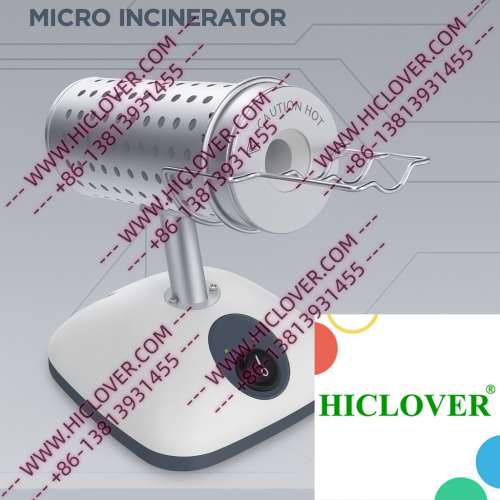
One standout piece of sterilization equipment crucial for cleanroom maintenance is the Micro Incinerator or Infrared Inoculating Loop Sterilizer. Powered by infrared heat, this sterilizer employs an enclosed ceramic chamber that quickly and efficiently generates high temperatures. The infrared technology used is significantly different from traditional flame sterilizers such as alcohol lamps and Bunsen burners, primarily due to its ability to provide targeted, high-temperature disinfection that minimizes aerosol formation.
While traditional methods tend to disperse particles and create risk zones for contamination, the design of the Micro Incinerator ensures a clean-bench-safe environment. This is critical, especially when working with volatile materials or in sensitive scenarios that require absolute contamination control.
Application Scenarios in Real Labs
Field Testing Laboratories
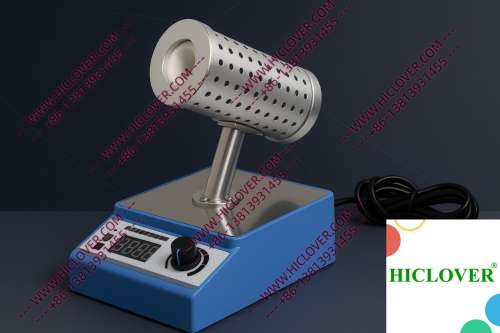
In mobile field testing laboratories, researchers must often operate outside traditional settings. The Micro Incinerator proves invaluable in these scenarios, providing a portable solution for rapid sterilization. In situations where resources are limited, this device allows field technicians to safely perform sampling and testing without the fear of cross-contamination.
University Teaching Labs
Teaching laboratories are another significant application area for Micro Incinerators. Educators can incorporate the sterilizer into practical sessions, teaching students the importance of sterile techniques without the hazards associated with flames. This increased safety, coupled with educational value, highlights the necessity of modern sterilization technology in academic settings.
Compliance with Biosafety Standards
Complying with WHO biosafety standards and laboratory sterilization requirements is non-negotiable in any scientific endeavor. Traditional flame sterilizers pose risks, including the potential for burns and accidental ignition, making them unsuitable for use in cleanrooms or environments requiring stringent contamination control. The Micro Incinerator eliminates these risks while maintaining compliance with international safety protocols.
- Reduces risk of fires and burns
- Adheres to WHO and CDC sterilization recommendations
- Supplies consistent temperature monitoring and feedback
- Minimizes aerosol generation, enhancing air quality
Looking for a Comparison? Micro Incinerator vs. Flame Burners
| Features | Micro Incinerator | Flame Burners |
|---|---|---|
| Heating Method | Infrared technology, ceramic heating chamber | Combustion |
| Safety | Close chamber, reduced risk of burns | Open flame, potential for accidents |
| Aerosol Management | Aerosol-free handling | Increased risk of aerosol generation |
| Portability | Compact and mobile | Less portable |
FAQs
- What is the main advantage of using a Micro Incinerator over traditional flame sterilizers? The Micro Incinerator provides safer operation with reduced risks of burns and aerosol generation, ensuring better contamination control in sensitive environments.
- Can the Micro Incinerator be used in BSL-3 labs? Yes, the Micro Incinerator is compliant with BSL-2 and BSL-3 standards, making it suitable for high-containment settings.
- How long does it take to sterilize an inoculating loop with a Micro Incinerator? Sterilization times can vary but typically range from 5 to 15 seconds, allowing for rapid turnover in busy laboratory settings.
- Is the use of Micro Incinerators environmentally friendly? Yes, they minimize the release of hazardous aerosols and do not require flammable chemicals, promoting a safer laboratory environment.
- Where can I buy a Micro Incinerator? Reach out to laboratory supply distributors or specialized online retailers for purchases.
Conclusion
As laboratories strive to improve their sterilization workflows and uphold the highest standards of biosafety, integrating advanced sterilization technologies like the Micro Incinerator becomes essential. By choosing the right equipment, you not only enhance compliance with international standards but also safeguard your personnel and experiment outcomes. For further information or to discuss potential purchases, connect with us today!
Categories:
Tags: