
Laboratories, whether high-precision research facilities or university teaching environments, face continuous challenges in maintaining stringent biosafety protocols. Contamination control remains a top priority, particularly in bio-safety level laboratories and clinical diagnostics. As traditional methods of sterilization, such as alcohol lamps and Bunsen burners, have shown significant limitations in terms of safety and effectiveness, modern alternatives, like the Micro Incinerator or Infrared Inoculating Loop Sterilizer, are taking center stage.
Understanding the Technical Principles
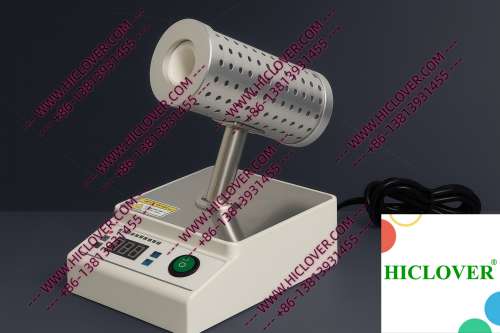
The Micro Incinerator utilizes advanced infrared heat technology to deliver rapid thermal sterilization. At its core is a specialized enclosed ceramic heating chamber that achieves high temperatures swiftly and uniformly. This configuration allows the sterilizer to minimize the risks associated with open flames while also providing a clean-bench-safe environment that significantly reduces aerosol formation during handling.
The primary advantage of infrared sterilization lies in its capacity to eradicate contaminants more efficiently than traditional methods. While Bunsen burners typically heat a small area and release smoke, infrared sterilizers focus heat directly on the inoculating loops and tools, ensuring comprehensive disinfection without the aerosolized particles that can lead to contamination.
Applications in Real Labs
1. Biosafety Cabinets
In BSL-2 and BSL-3 microbiology labs, maintaining an uncontaminated workspace is vital for both researcher safety and the integrity of sensitive experiments. The Micro Incinerator excels in these environments. When researchers use it within biosafety cabinets, the risk of flame dissemination and the resultant particulate matter is neutralized, enhancing the cabinet’s efficiency in keeping the workspace sterile. An enclosed design protects personnel from exposure while ensuring that instruments are effectively sterilized within seconds, maintaining the workflow unhindered.
2. University Teaching Laboratories
The educational domain has also benefited from infrared sterilizers. In teaching labs, where safety is paramount, educators can introduce students to safe sterilization methods without the hazards associated with open flames. The Micro Incinerator allows students to perform inoculations in confidence, knowing that they are using the most current technology while adhering to health and safety standards in laboratory practices. Its rapid sterilization process accommodates busy teaching schedules, facilitating efficient hands-on learning experiences.
Compliance and Environmental Impact
Adhering to established biosafety and sterilization standards set forth by the World Health Organization (WHO) and other regulatory bodies is crucial for laboratory operations. Infrared sterilization aligns seamlessly with these requirements, particularly in maintaining a flame-free environment in clean rooms. Unlike traditional sterilizers, the Micro Incinerator eliminates concerns regarding flammable materials and smoke emissions, which can compromise air quality in sensitive labs.
- WHO Biosafety Guidelines: Ensure practices mitigate any potential exposure.
- Lab Sterilization Standards: Incorporate advanced sterilization techniques to enhance security measures.
- Flame Dangers in Clean Rooms: Align with required protocols to uphold air purity.
Comparison of Micro Incinerator vs. Traditional Flame Burners
| Feature | Micro Incinerator | Traditional Flame Burners |
|---|---|---|
| Heat Source | Infrared | Open Flame |
| Temperature Control | Precise and Consistent | Variable |
| Safety | Low Risk (no open flames) | High Risk (ignition sources) |
| Aerosol Generation | None | High |
| Usage Time | Immediate | Requires Preparation |
Frequently Asked Questions
What is an infrared sterilizer?
An infrared sterilizer utilizes infrared radiation to generate high temperatures for rapid and effective sterilization of lab implements.
How does a Micro Incinerator differ from traditional methods?
Micro Incinerators provide a safer and more efficient sterilization solution, significantly reducing aerosol contamination risks and enhancing usability in sensitive lab environments.
Can I use a Micro Incinerator in a cleanroom?
Yes, Micro Incinerators are designed to meet cleanroom standards, providing a flame-free sterilization method that does not compromise air quality.
What types of labs benefit most from infrared sterilizers?
BSL-2 and BSL-3 microbiology labs, clinical diagnostics facilities, and educational institutions can all significantly benefit from using Micro Incinerators.
Conclusion
As labs strive for heightened safety and efficiency in sterilization processes, the Micro Incinerator or Infrared Inoculating Loop Sterilizer promises to be a game-changer. Consider the advantages of adopting this advanced sterilization equipment into your lab’s sanitation workflow. With its user-friendly design and compliance with rigorous biosafety standards, now is the perfect time to evaluate how infrared sterilizers can enhance your laboratory environment. For more information or to discuss purchasing options, feel free to reach out to us today!
Categories:
Tags: