
In today’s world, safeguarding biosafety has become paramount, particularly in laboratory settings where contamination can compromise research outcomes and biohazard safety. Traditional sterilization methods, including alcohol lamps and Bunsen burners, present significant practical challenges. These flame-based sterilizers can create hazards such as open flames, unwanted aerosols, and unpredictable heat exposure, demanding the need for a safer, more efficient alternative. Enter flameless sterilization technology: the Micro Incinerator, also known as the Infrared Inoculating Loop Sterilizer, a revolutionary tool that promises to transform the sterilization workflow in modern laboratories.
Technical Principles of the Micro Incinerator
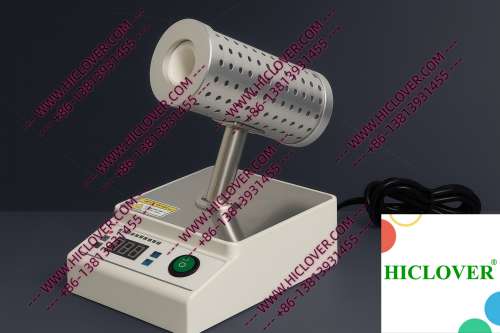
The Micro Incinerator operates on the principle of infrared heat, employing a ceramic heating chamber that provides rapid thermal sterilization. Unlike traditional flame sterilizers, which can be inefficient and expose users to flame risks, these devices utilize high-temperature disinfection achieved through enclosed ceramic tubes that emit concentrated infrared rays, quickly achieving the necessary temperatures to sterilize inoculating loops and other lab tools.
This innovative heating technology generates a stable, controlled, and intense heat source that effectively eliminates biohazardous materials without the risk of open flames. With a typical operating temperature ranging from 600°C to 800°C, the Micro Incinerator ensures rapid, consistent sterilization of tools, making it an invaluable asset in labs focused on contamination control.
Applications in Real Labs
Field Testing
In mobile or field testing laboratories, where strict adherence to biosafety protocols is critical, the flameless Micro Incinerator offers unparalleled benefits. The portability and lightweight design of the Micro Incinerator enable researchers to sterilize equipment easily while maintaining a safe environment. This is particularly vital during sampling in BSL-2 or BSL-3 microbiology labs, where the risk of exposing pathogens is heightened. By eliminating open flames, the Micro Incinerator mitigates the risk of accidental ignition in uncertain environments, allowing scientists to perform field testing confidently.
University Teaching Labs
Educational institutions recognize the importance of demonstrating safe lab practices while providing hands-on experience in microbiology. The Micro Incinerator’s user-friendly design becomes a central component in university teaching labs, where students learn proper inoculation techniques. Its safety and efficiency allow instructors to focus on teaching without worrying about fire hazards. Additionally, students appreciate the aerosol-free handling it facilitates, cultivating a safer learning environment conducive to practical training in sterilization methods.
Compliance and Environmental Considerations
Adhering to international biosafety standards is critical for laboratory operations. The World Health Organization (WHO) has set rigorous guidelines regarding laboratory safety, emphasizing the importance of sterilization processes in preventing contamination and exposure. Traditional flame sterilizers do not align with the current laboratory sterilization standards, particularly in clean-room environments where open flames are prohibited.
In contrast, the Micro Incinerator meets compliance requirements by providing a sterile environment without the contaminants associated with flames. Its design aligns with the strong emphasis on biosafety in laboratories within urban centers like New York and London, where strict regulations govern laboratory practices.
Advantages Over Traditional Flame Sterilizers
- Safety: Flameless technology reduces fire hazards, allowing for safer working environments.
- Efficiency: Rapid thermal sterilization minimizes downtime between uses, enhancing workflow performance.
- Cleanliness: Avoids aerosol dispersal, critical for maintaining sterile conditions and minimizing cross-contamination.
- Portability: Lightweight and versatile, suitable for diverse applications in various laboratory settings.
FAQs About Micro Incinerator Sterilizers
1. How does the Micro Incinerator compare to traditional flame sterilizers?
The Micro Incinerator offers significant advantages including enhanced safety, portability, rapid sterilization times, and reduced cross-contamination risks compared to Bunsen burners and alcohol lamps.
2. Can the Micro Incinerator be used in BSL-3 laboratories?
Yes, the Micro Incinerator is an excellent choice for BSL-3 laboratories, where a safe sterilization process is imperative for managing dangerous pathogens.
3. What is the temperature range of the Micro Incinerator?
The operational temperature typically ranges from 600°C to 800°C, making it highly effective for sterilizing laboratory tools in seconds.
4. Is it easy to operate?
Absolutely! The Micro Incinerator is designed with user-friendliness in mind, making it accessible for scientists, students, and field workers alike.
5. How does it ensure compliance with biosafety standards?
The enclosed design and flameless operation ensure compliance with WHO biosafety guidelines and laboratory regulations regarding safe sterilization practices.
Conclusion
In conclusion, the emergence of flameless sterilizer heaters like the Micro Incinerator signifies a paradigm shift in laboratory sterilization techniques. Its combination of safety, efficiency, and compliance with biosafety standards positions it as a cornerstone of modern laboratory practices. For laboratories looking to enhance their sterilization workflow and ensure the highest level of hygiene, investing in a Micro Incinerator is a proactive step. Contact us today for more information or to place your order for this state-of-the-art sterilization solution!
Categories:
Tags: