
In laboratory settings, the challenge of ensuring biosafety while maintaining efficient workflows is a constant concern for researchers and technicians alike. With the growing emphasis on rapid thermal sterilization techniques, modern laboratories increasingly turn to innovative solutions like Micro Incinerators and Infrared Inoculating Loop Sterilizers. These compact, enclosed units not only enhance contamination control but also cater to stringent safety requirements in various environments.
The Technical Principle Behind Micro Incinerators
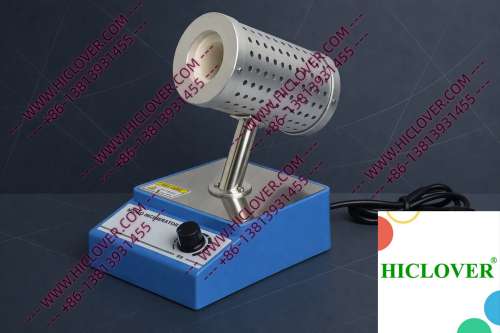
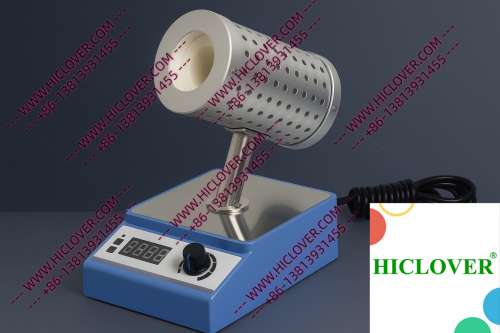
Micro Incinerators, such as the Infrared Inoculating Loop Sterilizer, utilize a ceramic heating chamber that generates rapid, high-temperature infrared heat. Unlike traditional flame sterilizers, which rely on open flames, these devices create a safe, clean-bench environment for sterilization tasks. The enclosed design ensures that the heat is concentrated and directs it precisely where needed, promoting effective sterilization without the risk of aerosolization or cross-contamination.
The key components of a Micro Incinerator include:
- Infrared heating element for rapid temperature rise.
- Ceramic tube or chamber for efficient thermal distribution.
- Safety features preventing accidental burns or exposure to flames.
- ISO 13485 for medical device manufacturing.
- Environmental protection compliance concerning emissions.
- Device safety standards including electrical safety and proximity measures.
Applications of Micro Incinerators in Laboratories
1. Biosafety Cabinets
Micro Incinerators are particularly beneficial in BSL-2 and BSL-3 microbiology labs, where strict contamination controls are mandated. Within a biosafety cabinet, technicians can utilize these devices for sterilizing inoculating loops and other reusable implements without compromising the sterile environment. For example, after transferring samples, researchers can quickly sterilize their tools using an infrared sterilizer, ensuring that no biological agents escape or come in contact with hands or work surfaces.
2. Field Testing Laboratories
In mobile or field testing labs, where access to traditional sterility options may be limited, Micro Incinerators offer a portable, efficient solution. Researchers conducting environmental sampling can rely on these devices for on-the-spot sterilization of tools, ensuring compliance with health regulations while preventing contamination. Their lightweight and compact design makes it convenient to carry them to remote locations without sacrificing efficacy or safety.
Regulatory Compliance and Safety Standards
Micro Incinerators align with various lab sterilization standards set forth by the World Health Organization (WHO) and other regulatory bodies. In clean room environments, the absence of an open flame minimizes the risk of combustion and the generation of dangerous aerosols. Incorporating infrared sterilization methods also matches contemporary demands for flame-free operations in sensitive laboratory settings. Micro Incinerators meet or exceed the following requirements:
Advantages of Micro Incinerators over Traditional Flame Sterilizers
When comparing Micro Incinerators to traditional flame sterilizers like alcohol lamps or Bunsen burners, several advantages are evident:
| Feature | Micro Incinerator | Flame Sterilizer |
|---|---|---|
| Heat Generation | Infrared, no open flame | Open flame, with combustion risks |
| Contamination Control | Aerosol-free handling | Potential aerosol generation |
| Efficiency | Rapid thermal response | Longer time to heat |
| Installation | Portable and compact | Requires space for safer handling |
FAQs about Micro Incinerators
1. What types of labs benefit from using Micro Incinerators?
Micro Incinerators are ideal for a variety of settings, including BSL-2 and BSL-3 microbiology labs, clinical diagnostics, and university teaching laboratories. They provide a high level of sterilization efficiency while maintaining safety protocols.
2. Are Micro Incinerators safe for use in clean rooms?
Yes, Micro Incinerators are designed for clean room applications. Their flame-free operation minimizes the risks associated with open flames and makes them safe for sensitive environments.
3. How do Micro Incinerators compare to traditional sterilization methods?
Micro Incinerators offer numerous benefits, such as rapid thermal sterilization, reduced contamination risk, and greater portability, compared to traditional flame sterilizers that can generate aerosols and require more careful handling.
4. Can Micro Incinerators be used for disposable sterilization?
While primarily designed for reusables like inoculating loops, Micro Incinerators can effectively sterilize some disposable items. Always consult the manufacturer’s guidelines for specific applications.
5. What is the average lifespan of a Micro Incinerator?
The lifespan of a Micro Incinerator generally depends on usage frequency and maintenance. Many models are built to last several years with proper care and handling.
Conclusion
As laboratory workflows evolve, the need for versatile sterilization solutions becomes paramount. Micro Incinerators and Infrared Inoculating Loop Sterilizers represent a pivotal advancement, combining efficiency with safety in an increasingly regulatory environment. Making the switch from traditional sterilization methods to these innovative devices can significantly enhance laboratory operations, providing peace of mind surrounding contamination and compliance.
If your facility is ready to upgrade to a Micro Incinerator, contact us today to learn more about our high-quality options. Experience the transformation in your sterilization routines and ensure that your lab meets the current biosafety standards.
Categories:
Tags: