
In laboratories worldwide, biosafety challenges abound. Maintaining sterility during microbiological experiments is paramount, especially in environments such as BSL-2 and BSL-3 laboratories. Traditional methods of sterilization, such as alcohol lamps and Bunsen burners, have long been the go-to solutions. However, they pose considerable risks, such as flame hazards and contamination from aerosols. Enter the micro incinerator—a revolutionary device that is now finding its place not just in scientific settings, but also in local waste management strategies across Colombian communities.
Technical Principles of Micro Incinerators
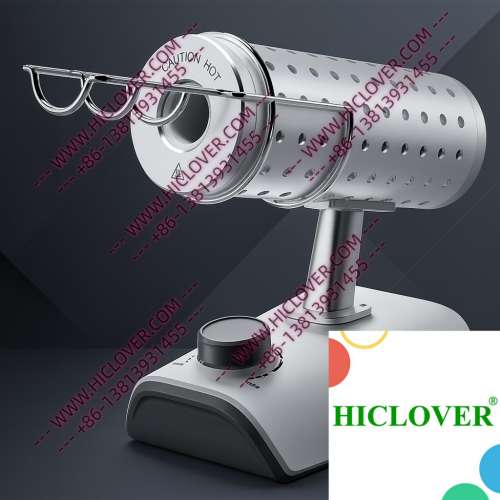
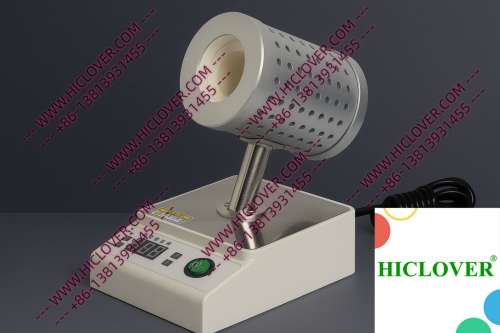
The micro incinerator operates using advanced infrared heating technology. This method utilizes an enclosed ceramic heating chamber designed to provide rapid thermal sterilization. When the sterilizer is activated, the infrared elements heat up swiftly, enabling high-temperature disinfection of inoculating loops, needles, and other small instruments. The efficiency of a micro incinerator makes it an invaluable tool in both laboratory and field scenarios, ensuring contamination control while providing a safe, aerosol-free handling method.
Applications in Laboratory and Field Settings
- Biosafety Cabinets: In microbiology labs, the micro incinerator fits perfectly within biosafety cabinet protocols. This allows researchers to sterilize loop tools quickly without exiting the work area, minimizing the risk of exposure to potentially hazardous pathogens.
- Field Testing: Mobile laboratories in Colombian regions, especially in remote areas where waste disposal is a challenge, benefit from micro incinerators. Their portability allows field professionals to sterilize instruments rapidly, which is crucial during environmental sampling and biological assessments.
- Teaching Labs: In academic settings, the micro incinerator stands as a pivotal educational tool. It enables students to learn about safe and effective sterilization techniques while reducing the common risks associated with traditional flame sterilizers.
- Q1: How does a micro incinerator work?
- A micro incinerator utilizes infrared heat to quickly reach high temperatures for effective sterilization of laboratory equipment.
- Q2: What are the advantages of using a micro incinerator over a Bunsen burner?
- Micro incinerators provide enhanced safety, reduced contamination risk, and faster sterilization speeds compared to traditional flame sources.
- Q3: Can micro incinerators be used in field tests?
- Yes, they are portable and ideal for field testing in various environments where waste management is critical.
- Q4: Are micro incinerators compliant with WHO standards?
- Absolutely! They conform to WHO biosafety guidelines and help maintain sterility without the danger of open flames.
- Q5: How can I integrate a micro incinerator into my laboratory?
- Contact us for guidance on how to implement micro incinerators effectively in your laboratory settings.
Compliance with Global Standards and Environmental Considerations
When discussing laboratory sterilization, compliance with WHO biosafety and lab sterilization standards cannot be overstated. Micro incinerators illustrate fine compliance by eliminating flame use in clean rooms, minimizing the risk of ignition and cross-contamination. These devices not only adhere to strict guidelines but also enhance the environmental strategy by reducing hazardous waste from traditional methods. Adopting micro incinerators may contribute to Colombia’s growing focus on sustainable practices and eco-friendly waste management solutions.
Micro Incinerator vs. Traditional Flame Sterilizers
| Feature | Micro Incinerator | Flame Sterilizers |
|---|---|---|
| Safety | Flame-free operation, reduced risk of burns | Open flames pose significant ignition hazards |
| Aerosol Control | Minimized aerosol generation | High risk of aerosol creation during use |
| Speed | Rapid heating, minimizes downtime | Longer pre-ignition time |
| Portability | Lightweight and easy to transport | Heavy, often stationary |
| Environmental Impact | Lower carbon footprint | Higher emissions and energy consumption |
Frequently Asked Questions (FAQs)
Conclusion
As Colombia embraces new waste management strategies, the role of micro incinerators extends beyond laboratories, positively impacting local waste solutions. Their features—rapid thermal sterilization, enhanced safety, and mobility—make them a preferred choice among laboratory supply distributors, hospitals, universities, and research centers. Investing in a micro incinerator not only modernizes your sterilization process but also fosters a culture of environmental responsibility. Explore your options today and discover how micro incinerators can transform your waste management practices.
Categories:
Tags: