
In the world of laboratory biosafety, one primary challenge remains: ensuring rapid and effective sterilization without compromising air quality. Traditional methods such as alcohol lamps or Bunsen burners, while effective in disinfecting tools and inoculating loops, pose significant risks, including flame hazards and aerosol production. As urban laboratories strive to minimize environmental impact, the Micro Incinerator / Infrared Inoculating Loop Sterilizer emerges as a trustworthy solution to meet sterilization workflow demands while enhancing laboratory safety.
Understanding the Technical Principles of Micro Incinerators
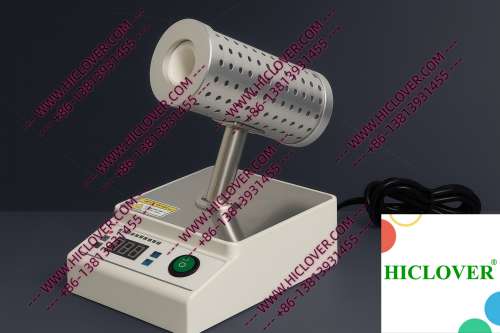
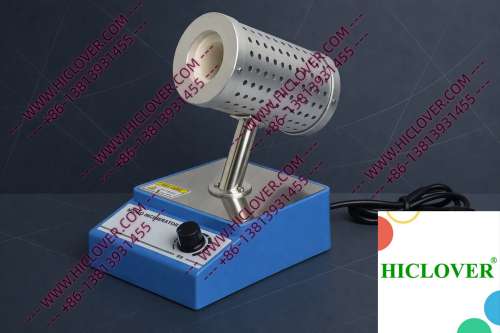
The Micro Incinerator operates on the principle of infrared heat generation, utilizing an enclosed ceramic heating chamber that guarantees high-temperature disinfection. When the loop or tool is introduced into the incinerator, it is effectively exposed to intense thermal radiation, rapidly achieving sterilization. This method eliminates the need for flame, resulting in a clean-bench-safe procedure that reduces the risk of contaminating the work area.
Key Features of Micro Incinerators
- Rapid Thermal Sterilization: Achieves sterilization within seconds.
- Contamination Control: Eliminates aerosol escape, ensuring a safer environment.
- Cleanroom Compatibility: Perfectly suited for clean rooms and biologically sensitive environments.
- Portability: Lightweight and easy to transport for field testing applications.
Application Scenarios in Real Labs
1. Biosafety Cabinets in BSL-2 Microbiology Labs
Biosafety Level 2 (BSL-2) laboratories often handle pathogens capable of causing human disease. In these environments, maintaining strict sterilization protocols is vital. The Micro Incinerator provides an efficient method for sterilizing inoculating loops when cultures are transferred, all while eliminating the risks associated with open flames. Its reliable performance contributes to a safer working environment without the production of hazardous aerosols, which can escape into the air.
2. Teaching Labs in Universities
In academic settings, teaching laboratories frequently encounter students who are less experienced with traditional sterilization techniques. The Micro Incinerator serves as an excellent teaching tool due to its user-friendly operation and quick sterilization capability. Instructors can demonstrate the essential practices of sterilization without the risks of fire or burns, ensuring both the educator and student can focus on learning microbiological techniques instead of worrying about safety hazards.
Compliance and Environmental Standards
When discussing laboratory sterilization equipment, it is crucial to consider compliance with international biosafety standards. The World Health Organization (WHO) emphasizes the importance of implementing sterilization practices that limit environmental impact and personal exposure to hazardous materials. Traditional flame sterilization methods, such as using Bunsen burners, can lead to poor air quality and are often not compliant with standards set for cleanrooms or sterile suites.
Ensuring compliance with established laboratory sterilization standards can drastically improve safety. Cleanroom protocols, which necessitate the avoidance of flames, highlight further the necessity of adopting technologies like the Micro Incinerator. With its aerosol-free handling, it minimizes the risk of contamination, thus maintaining a higher level of biosafety.
Micro Incinerator vs. Flame Burners
| Feature | Micro Incinerator | Flame Burners |
|---|---|---|
| Speed of Sterilization | Seconds | Varies |
| Safety | No open flame | Risk of burns |
| Aerosol Production | None | High |
| Portability | Highly portable | Heavy and cumbersome |
| Compliance | Meets cleanroom standards | Often non-compliant |
FAQs
What is a Micro Incinerator?
A Micro Incinerator is a lab equipment designed to sterilize inoculating loops and other tools using infrared heating technology, eliminating flame hazards and aerosols.
Can the Micro Incinerator be used in BSL-3 labs?
Yes, the Micro Incinerator is suitable for BSL-3 laboratories where strict sterilization protocols and biosafety measures are critical.
How does it improve air quality in urban labs?
By eliminating open flames and aerosol production, the Micro Incinerator contributes to better air quality, reducing the risk of contamination to the environment.
Is the Micro Incinerator easy to use?
Absolutely! Its user-friendly design allows for swift operation, providing an effective sterilization solution without the need for detailed training.
What maintenance does a Micro Incinerator require?
Minimal maintenance is required, mainly keeping the ceramic heating chamber clean and free from debris to ensure optimal performance.
Conclusion
In summary, as urban labs navigate the challenges of maintaining biosafety while addressing air quality concerns, the Micro Incinerator / Infrared Inoculating Loop Sterilizer stands out as a quintessential solution. Its rapid sterilization, safety features, and compliance with contemporary sterilization standards make it an ideal choice for laboratories operating in sensitive urban environments.
For institutions aiming to enhance their sterilization processes while safeguarding their teams and the environment, the Micro Incinerator represents an invaluable investment. If you’re interested in learning more or wish to make a purchase, feel free to reach out to us today!
Categories:
Tags: