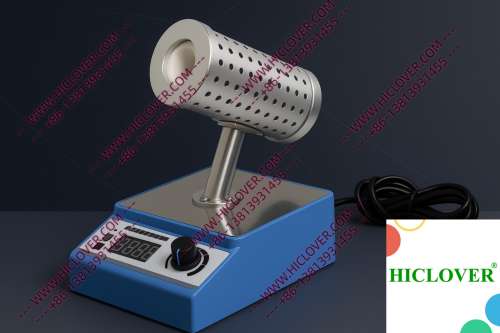
In the fast-paced environment of laboratory science, effective sterilization is paramount. The challenges of biosafety and contamination control have driven laboratories to seek innovative solutions. One such solution is the Micro Incinerator, or Infrared Inoculating Loop Sterilizer, which has revolutionized laboratory sterilization workflows, particularly in German hospitals.
Understanding the Technical Principles Behind Micro Incinerators
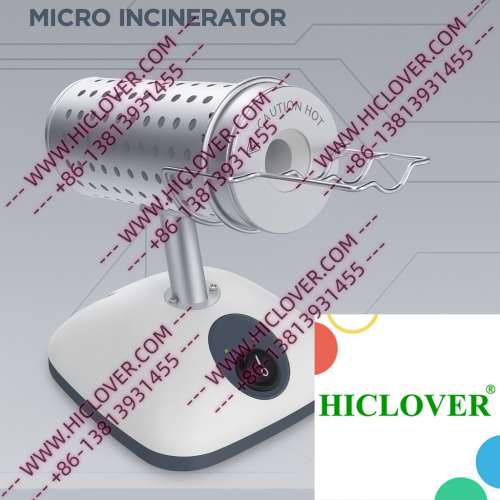
The Micro Incinerator uses infrared heat generated within a ceramic heating chamber to achieve rapid thermal sterilization. Unlike traditional flame sterilizers, which produce heat through combustion, the enclosed ceramic tube of a Micro Incinerator ensures a uniform temperature throughout its length. This allows for precise control over sterilization, significantly reducing the risk of aerosol contamination.
Moreover, the design of the Micro Incinerator promotes clean-bench safety as it eliminates the need for an open flame, making it ideal for use in biosafety cabinets (BSC) and other sensitive laboratory environments.
Key Applications of Infrared Inoculating Loop Sterilizers
The implementation of Micro Incinerators has proved beneficial in a variety of laboratory settings:
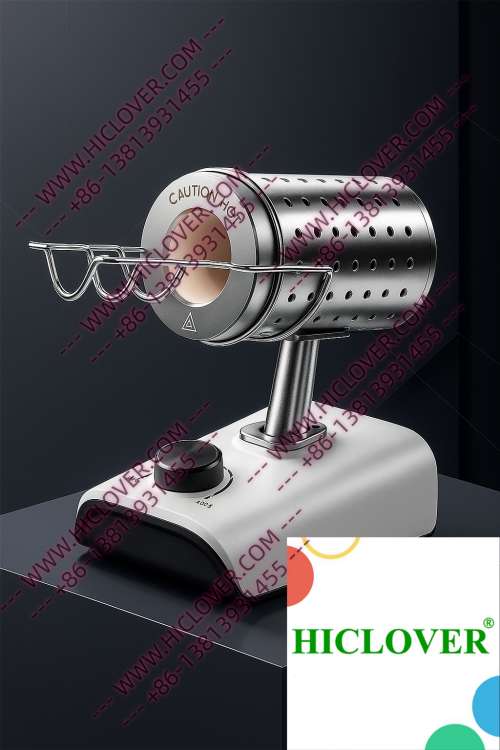
- Biosafety Cabinets: In BSL-2 and BSL-3 microbiology labs, the Micro Incinerator is pivotal in maintaining sterility while preventing the spread of harmful pathogens. The quick pre-set temperature settings ensure rapid sterilization of inoculating loops or other tools without leaving any residues that could compromise research.
- Teaching Labs: In university teaching labs, where students are often inexperienced, the Micro Incinerator provides an extra layer of safety. Its user-friendly design allows students to observe the sterilization process without the hazards associated with flame-based devices.
Compliance with Biosafety Standards
Compliance with global biosafety standards is a significant concern for laboratories, especially those involved in clinical diagnostics and high-risk research. The WHO recommends stringent sterilization protocols to ensure the safety of personnel and the integrity of research outcomes.
Micro Incinerators meet various international laboratory sterilization standards, offering a significant advantage over traditional flame sterilizers:
- Enhanced safety with no open flame risks.
- Efficient aerosol-free handling, critical in cleanroom operations.
- Reduction of contamination risks during microbiological procedures.
Comparative Analysis: Micro Incinerators vs. Traditional Flame Sterilizers
| Feature | Micro Incinerator | Flame Sterilizers |
|---|---|---|
| Heating Method | Infrared | Combustion |
| Aerosol Risk | Minimal | Higher |
| Ease of Use | User-friendly | Requires training |
| Temperature Control | Precise | Variable |
| Safety | Very High | Moderate |
Real-World Success: A German Hospital’s Experience
A prominent hospital in Munich implemented the Micro Incinerator across multiple departments, aiming to enhance their laboratory sterilization efficiency and biosafety compliance. With the rapid adoption of this technology, the laboratory staff reported a noticeable decrease in contamination incidents, leading to improved patient safety and research outcomes.
This innovative approach not only streamlined their sterilization workflow but also established a standard for other hospitals looking to improve their laboratory practices.
Frequently Asked Questions
- What advantages does a Micro Incinerator have over traditional flame sterilizers?
The Micro Incinerator offers enhanced safety, precise temperature control, and a lower risk of aerosol contamination. - Can the Micro Incinerator be used in BSL-3 environments?
Yes, the Micro Incinerator is highly effective in BSL-2 and BSL-3 labs, providing a safe option for sterilization. - How quickly does the Micro Incinerator achieve sterilization?
Typically, the Micro Incinerator reaches optimal sterilization temperatures within seconds, making it a rapid solution for effective sterilization operations. - Is the Micro Incinerator easy to use for beginners?
Absolutely! Its simple design and operational mechanisms reduce the learning curve for students in educational settings. - What are the maintenance requirements for the Micro Incinerator?
Regularly clean the ceramic heating chamber and check for any damage; otherwise, minimal maintenance is required.
Conclusion: A Step Towards a Safer Tomorrow
The successful implementation of Micro Incinerators in German hospitals is a testament to the growing need for advanced laboratory sterilization equipment. By improving biosafety compliance and enhancing laboratory workflows, these innovative devices are setting new industry standards.
For laboratories and hospitals seeking to upgrade their sterilization capabilities, investing in Micro Incinerators is a pivotal step towards achieving optimal laboratory safety and efficiency. For more information or to place an order, please contact us today!
Categories:
Tags: