
As scientific research and laboratory operations continue to expand in Melbourne, biosafety challenges are becoming more complex. The need for efficient sterilization processes is paramount, particularly in environments that demand the utmost in contamination control. Traditional sterilization methods, such as alcohol lamps and Bunsen burners, face limitations regarding efficacy and safety, making the rise of micro incinerators a significant development in laboratory practices.
Addressing Laboratory Sterilization Challenges
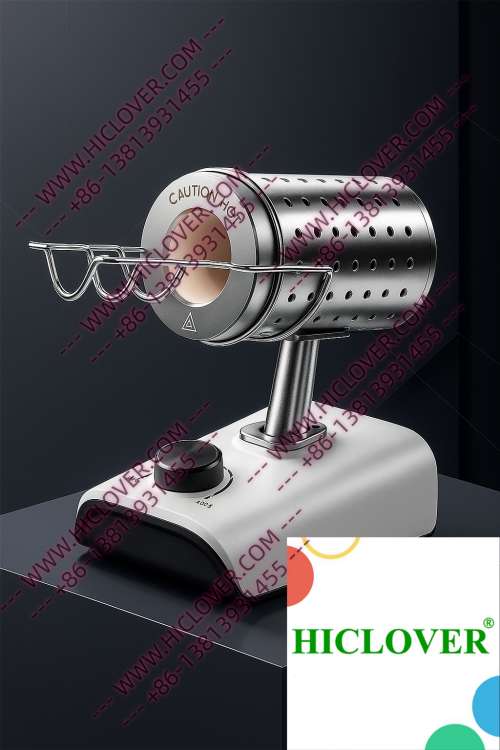
Laboratories are under constant pressure to maintain sterile environments to prevent contamination, particularly in microbiology labs where pathogens may pose serious health risks. The workflow demands in these settings require solutions that are not only effective but also adaptable to various applications. Micro incinerators, specifically the Micro Incinerator or Infrared Inoculating Loop Sterilizer, have emerged as a leading choice due to their ability to provide rapid thermal sterilization with minimal footprint.
Technical Principles of Micro Incinerators
Micro incinerators operate on the principle of infrared heat, utilizing a ceramic heating chamber that reaches high temperatures (over 800°C) almost instantaneously. Unlike flame-based sterilizers, these devices provide a clean and enclosed space for sterilization, significantly reducing the risk of aerosolization of pathogens. The enclosed ceramic tube design ensures that the heat is concentrated and precise, allowing for thorough sterilization of inoculating loops and other small instruments without compromising the surrounding environment.
Comparison: Micro Incinerator vs. Traditional Flame Sterilizers
| Feature | Micro Incinerator | Flame Sterilizers |
|---|---|---|
| Heating Time | Instantaneous | Varies, usually slower |
| Contamination Risk | Minimal aerosol production | Higher risk of contamination |
| Operational Safety | No open flame | Open flame hazards |
| Footprint in Lab | Compact design | Bigger and bulkier |
| Energy Efficiency | Low power consumption | Higher energy usage |
Application Scenarios in Real Labs
Consider two application scenarios where micro incinerators shine: biosafety cabinets and university teaching labs.
Biosafety Cabinets
In BSL-2 and BSL-3 laboratories, where handling of infectious agents is prevalent, maintaining a sterile workspace is key. Micro incinerators are ideally used within biosafety cabinets. Their compact design fits easily into the limited space available while providing effective sterilization of inoculating loops and other tools. The risk of aerosol contamination is greatly minimized, aligning perfectly with biosafety protocol requirements.
University Teaching Labs
In educational settings, such as university microbiology courses, the need to teach students effective sterilization techniques is critical. Using micro incinerators allows students to experience state-of-the-art sterilization processes firsthand. The safety and quick operational features help foster a practical learning environment, while instructors can focus on the pedagogical aspects without the concern of handling open flames.
Compliance with Safety Standards
Regulatory standards surrounding laboratory safety and sterilization practices are stringent. Organizations like the World Health Organization (WHO) advocate for biosafety regulations that emphasize the importance of risk management in laboratory settings. Traditional flame sterilizers often present compliance challenges, particularly in clean room environments where the presence of flames can compromise the integrity of experiments.
- Adherence to WHO biosafety guidelines
- ISO 17025 standards for testing and calibration laboratories
- Compliance with clean-room standards that prohibit open flames
The transition to micro incinerators aligns well with these standards, ensuring that laboratories can maintain compliance while improving operational efficiency.
Regional Relevance: The Melbourne Market
In Melbourne’s vibrant scientific community, the increasing adoption of micro incinerators is evident as labs strive to meet higher biosafety standards. The city’s growth in research initiatives directly correlates with the demand for reliable laboratory sterilization equipment. With the rise of specialized research facilities and educational institutions, there is a notable push towards innovative sterilization solutions that meet both local and international biosafety regulations.
FAQs
What is a micro incinerator?
A micro incinerator is a compact, electric device that provides rapid thermal sterilization using infrared heat, designed to sterilize inoculating loops and small laboratory tools.
How does a micro incinerator compare to flame sterilizers?
Micro incinerators offer faster heating times, lower contamination risks, and greater safety by eliminating open flames, making them ideal for sterile environments.
Where can I use a micro incinerator?
Micro incinerators are suitable for use in biosafety cabinets, university labs, field testing labs, and any setting where efficient, safe sterilization is required.
Are micro incinerators compliant with safety regulations?
Yes, micro incinerators comply with WHO biosafety guidelines and other international laboratory sterilization standards, making them suitable for diverse lab environments.
Conclusion
The growing popularity of micro incinerators in Melbourne’s scientific sector reflects a broader commitment to enhancing biosafety and improving laboratory workflows. By integrating micro incinerators into sterilization practices, laboratories can achieve superior contamination control without the risks associated with traditional flame sterilization methods. For institutions looking to advance their sterilization capabilities, investing in a micro incinerator can significantly elevate safety and efficiency.
If you’re interested in exploring high-quality micro incinerators or seeking advice on how they can enhance your laboratory sterilization protocols, please don’t hesitate to reach out to us today!
Categories:
Tags: