
In the modern landscape of laboratory biosafety, the need for effective sterilization is paramount. Laboratories, particularly those involved in microbiology or clinical diagnostics, face numerous challenges when it comes to maintaining sterility and controlling contamination. Traditional methods such as Bunsen burners and alcohol lamps have served the laboratory community for many years, yet they are not always suitable for contemporary sterile techniques, particularly in cleanroom environments. This is where the compact design of micro incinerators, such as the Infrared Inoculating Loop Sterilizer, comes into play, providing a modern, efficient solution for rapid thermal sterilization.
Technical Principles of Micro Incinerators
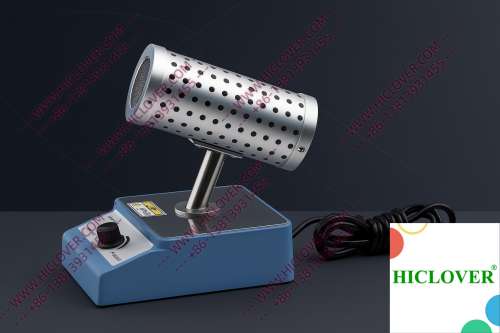
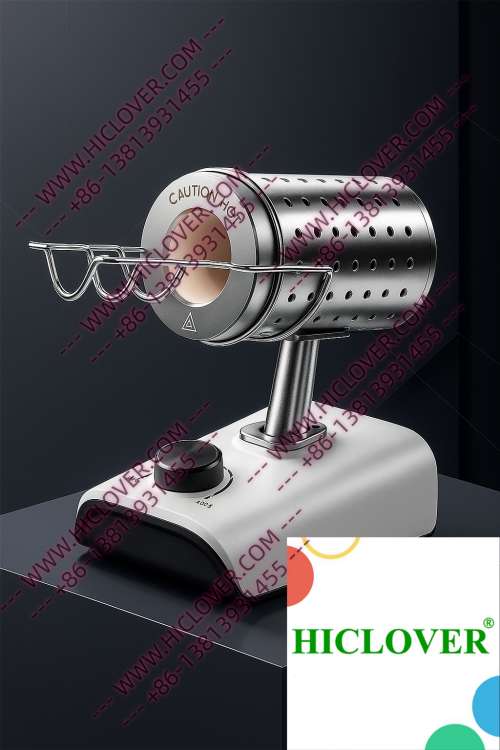
Micro incinerators utilize infrared heating technology focused on a ceramic heating chamber, offering an efficient means of achieving high-temperature disinfection without the drawbacks posed by open flames. The enclosed ceramic tube generates infrared rays that allow for immediate heating of inoculating loops, needles, or other instruments. When activated, these devices can reach sterilization temperatures within seconds, ensuring materials are free from contamination before they interact with biological samples.
Unlike traditional flame sterilizers, micro incinerators provide a clean, flame-free solution. This is particularly vital in biosafety level (BSL) 2 and BSL 3 laboratories, where the presence of naked flames poses a risk of igniting flammable materials and aerosols, potentially compromising sterile environments.
Applications in Modern Laboratories
- Biosafety Cabinets: In microbiology labs, micro incinerators serve as a primary tool for ensuring all instruments are sterilized before use, thereby minimizing contamination risks.
- Field Testing: Mobile testing labs can benefit from the compact design of micro incinerators. They are lightweight and easy to transport, ensuring safe sterilization practices even in remote locations.
- Teaching Laboratories: In university settings, the safety and efficiency of micro incinerators allow students to learn proper sterilization techniques without the associated hazards of flames.
Compliance and Environmental Considerations
Meeting laboratory sterilization standards is a non-negotiable requirement, especially for those aiming to adhere to the World Health Organization’s biosafety regulations. Micro incinerators are designed to facilitate compliant sterilization processes, providing a safe alternative for managing biohazardous materials. Additionally, the absence of open flames makes these devices suitable for operations within clean rooms, where even the slightest fire risk must be mitigated.
Furthermore, micro incinerators contribute positively towards reducing laboratory’s environmental footprint, as they operate on electric power and eliminate the need for combustible materials, reducing chemical waste and the potential for toxic by-products associated with traditional flame methods.
Micro Incinerator vs. Traditional Flame Burners
| Feature | Micro Incinerator | Flame Burner |
|---|---|---|
| Heating Method | Infrared | Open Flame |
| Response Time | Seconds | Minutes |
| Safety | Flame-Free | Potential Fire Hazard |
| Portability | Highly Portable | Bulky |
| Usage Environment | Clean Rooms, BSL labs | General Labs |
FAQs about Micro Incinerators
What are the main advantages of using a micro incinerator over traditional sterilizers?
The main advantages include rapid heating, enhanced safety due to flame-free operation, and compliance with strict biosafety regulations. Additionally, they are easier to handle and maintain in sterile environments.
Can micro incinerators be used in BSL-3 laboratories?
Yes, micro incinerators are designed to meet the stringent safety and sterilization requirements of BSL-3 labs, where high containment and hygiene standards are critical.
How does the sterilization process work with a micro incinerator?
The process involves placing the inoculating loop or instrument in the ceramic heating chamber, which utilizes infrared rays to cause rapid heating, ensuring complete sterilization within seconds.
Are micro incinerators suitable for field use?
Absolutely! Their compact and lightweight design makes them ideal for field testing and applications outside a traditional lab setting, providing safe and effective sterilization solutions on the go.
What certifications should I look for when purchasing a micro incinerator?
Look for devices that comply with international lab sterilization standards, as well as those approved by health organizations such as WHO, ensuring reliability and safety for your laboratory environment.
Conclusion
The integration of micro incinerators in laboratory settings marks a significant step forward in contamination control and biosafety. Their compact design, rapid thermal sterilization capabilities, and compliance with stringent regulations make them a preferred choice for modern laboratories. Whether you represent a clinical diagnostics center, educational institution, or research facility, investing in a micro incinerator enhances both safety and workflow efficiency.
For more information on high-quality Micro Incinerators and how they can elevate your sterilization process, don’t hesitate to reach out to us today. Let’s redefine laboratory safety together!
Categories:
Tags: