
In the world of microbiology, maintaining a sterile environment is critical for ensuring patient safety and accurate results. As the landscape of laboratory work evolves, so too do the challenges associated with biosafety and contamination control. Traditional flame sterilizers, such as alcohol lamps and Bunsen burners, present risks like aerosol generation and inadequate sterilization, which can compromise laboratory integrity. Consequently, advanced sterilization technologies like the Micro Incinerator or Infrared Inoculating Loop Sterilizer have emerged as vital tools for modern laboratories.
Technical Principles of Modern Sterilizers
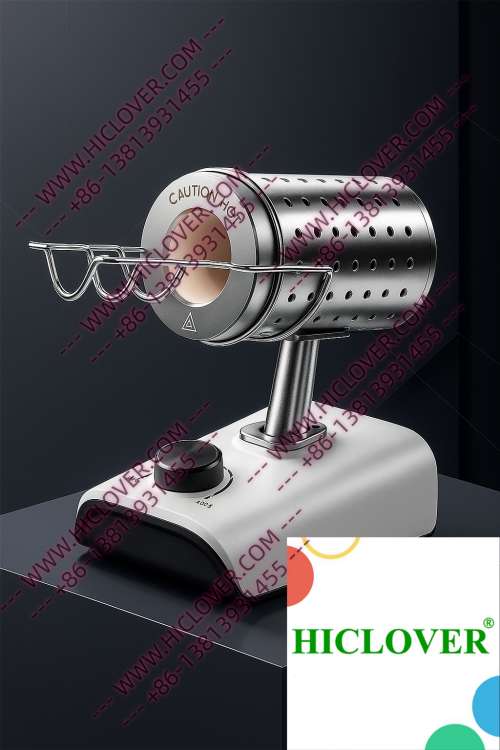
The Micro Incinerator operates using the principle of rapid thermal sterilization via infrared heat. This innovative device features an enclosed ceramic heating chamber that offers high-temperature disinfection without the open flame of traditional sterilizers. The ceramic tube provides excellent temperature retention and uniformity, allowing for rapid sterilization of inoculating loops and other lab instruments. This technology minimizes the risk of contamination through aerosols and provides a clean-bench-safe environment for microbiological work.
Advantages Over Traditional Sterilizers
- Rapid Sterilization: Micro Incinerators achieve sterilization in seconds, greatly enhancing lab workflow.
- Safety: The enclosed design eliminates open flames, reducing fire hazards and ensuring operator safety in biosafety cabinets.
- Consistent Results: Infrared heat ensures uniform temperature distribution, offering reliable sterilization efficiency.
- Aerosol-Free: No flame means no aerosol generation, which is particularly crucial in sensitive environments like BSL-2 and BSL-3 labs.
- WHO Biosafety Guidelines: Emphasizes the importance of sterilization equipment in preventing contamination.
- ASHRAE Standards: Specifies the need for non-flame sterilization in cleanroom operations.
- ISO 15189: Advocates for rigorous standardization in medical laboratories.
Real-World Applications in Laboratories
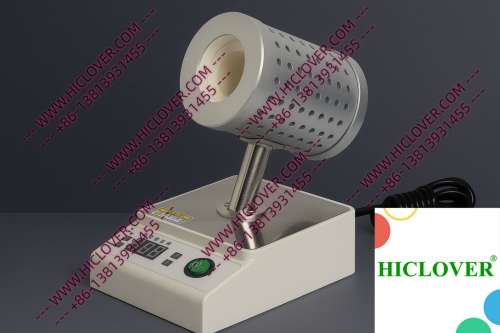
Modern sterilizers like the Micro Incinerator are essential in various laboratory settings. Below are two application scenarios illustrating their efficacy:
1. Biosafety Cabinets
Biosafety cabinets are designed to protect both the user and the samples from contamination. In such environments, the use of traditional flame sterilizers can compromise biosafety due to the production of aerosols. Using the Micro Incinerator in a biosafety cabinet allows researchers to safely sterilize inoculating loops without risking contamination or exposure to hazardous materials. The rapid sterilization speed also enhances workflow efficiency, ensuring minimal downtime during experiments.
2. Teaching Laboratories
In academic settings, teaching laboratories must emphasize student safety while also providing effective sterilization techniques. The Micro Incinerator serves as an ideal teaching tool for sterilization best practices, demonstrating the importance of contamination control without the risks associated with flame use. Students can engage in hands-on learning with the confidence that they are employing a safe and modern technique that aligns with evolving biosafety standards.
Compliance and Environmental Considerations
Laboratories in many regions must adhere to strict biosafety standards set forth by the World Health Organization (WHO) and other regulatory bodies. The Micro Incinerator meets several regulatory requirements, making it a compliant choice for laboratories aiming to enhance biosafety protocols. With the prohibition of open flames in cleanrooms and sterile environments, using infrared sterilizers precisely addresses these demands, creating a safer and more efficient workspace.
Biosafety Compliance Reference
Compliance with laboratory sterilization standards is mandatory across various sectors:
Comparison: Micro Incinerator vs. Traditional Flame Burners
| Feature | Micro Incinerator | Flame Sterilizer |
|---|---|---|
| Heat Source | Infrared heat | Open flame |
| Safety | Enclosed design | Fire hazard |
| Efficiency | Rapid sterilization | Slower, risk of incomplete sterilization |
| Aerosol Generation | Aerosol-free | Possible aerosolization |
Frequently Asked Questions
1. How does a Micro Incinerator contribute to laboratory safety?
Micro Incinerators provide a safe alternative to traditional flame sterilizers by eliminating open flames, reducing aerosol generation, and ensuring consistent sterilization, making them ideal for high-biosafety environments.
2. Can the Micro Incinerator be used in a field testing lab?
Yes, its portability and efficiency make it suitable for field testing labs where quick and reliable sterilization of equipment is necessary to maintain testing integrity.
3. What types of instruments can be sterilized?
The Micro Incinerator is designed to sterilize inoculating loops, spatulas, and various microbiological instruments effectively.
4. What is the average sterilization time with a Micro Incinerator?
It only takes a few seconds to achieve sterilization, significantly faster than traditional methods.
5. Are there any special maintenance requirements for the Micro Incinerator?
Regular cleaning of the ceramic tube and ensuring that the heating element functions correctly will maintain its operational efficiency and lifespan.
Conclusion: Elevate Your Laboratory Standards
Modern laboratories cannot overlook the importance of effective sterilization solutions like the Micro Incinerator. With its advanced sterilization technology, compliance with safety regulations, and numerous benefits over traditional flame sterilizers, investing in this equipment is crucial for maintaining high standards of patient safety and laboratory integrity. For further details or to explore purchasing options, do not hesitate to contact us.
Categories:
Tags: