
In the realm of molecular biology, contamination control is paramount, especially in PCR (Polymerase Chain Reaction) workflows where precision is critical. Laboratories consistently face biosafety challenges that require robust sterilization protocols. Contaminated samples can lead to erroneous results, wasted resources, and even safety hazards in research settings.
Understanding the Micro Incinerator: A Modern Solution
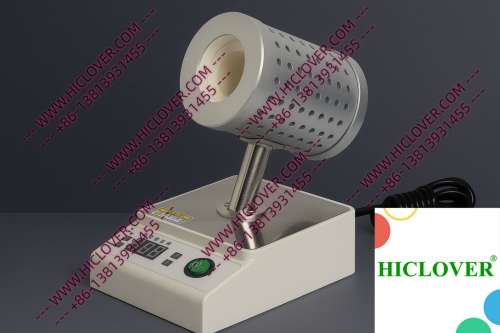
The Micro Incinerator, also known as the Infrared Inoculating Loop Sterilizer, stands out as a revolutionary piece of laboratory sterilization equipment. Unlike traditional flame sterilizers such as Bunsen burners or alcohol lamps, the Micro Incinerator employs advanced infrared heating technology within a closed ceramic tube, allowing for rapid thermal sterilization. This innovative design offers several advantages:
- High-temperature Disinfection: The infrared heat rapidly heats the inoculating loop to temperatures above 800°C, ensuring thorough disinfection.
- Clean-Bench-Safe Operations: This device integrates seamlessly within biosafety cabinets, eliminating concerns over open flames and aerosol generation.
- Efficiency: Users can achieve faster sterilization times compared to traditional methods, significantly improving workflow.
Application Scenarios in Real Labs
1. Clinical Diagnostics
In clinical laboratories, PCR is extensively used for the diagnostic detection of pathogens. Using a Micro Incinerator within a biosafety cabinet not only boosts sterilization efficacy but also adheres to the stringent biosafety protocols mandated by organizations like the WHO. The risk of cross-contamination is minimal, safeguarding the integrity of each diagnostic assay.
2. University Teaching Labs
In educational settings, the Micro Incinerator serves as an excellent teaching tool for students learning aseptic techniques. Instructors demonstrate the safe handling of sterile instruments using the device, while students gain practical experience without the risks associated with open flames. This promotes a more profound understanding of contamination control principles in a controlled environment.
Compliance and Environmental Considerations
Meeting laboratory sterilization standards is not only important for ensuring safety but also for compliance with regulatory requirements. The Micro Incinerator aligns with various biosafety protocols, including:
- WHO Biosafety Guidelines: Ensures operations comply with international safety standards, particularly important in BSL-2 and BSL-3 laboratories.
- ISO Standards: Adherence to the latest ISO laboratory practices guarantees optimal safety and efficiency in sterilization workflows.
- Flame Restrictions: The lack of an open flame makes the Micro Incinerator applicable even in clean rooms where traditional flame sterilizers would be hazardous.
Micro Incinerator vs. Flame Burners: A Comparison
| Feature | Micro Incinerator | Bunsen Burner |
|---|---|---|
| Heating Method | Infrared heat | Open flame |
| Temperature Control | Automatic | Manual |
| Safety | Low risk of fire | High risk of fire and aerosol generation |
| Speed of Sterilization | Instantaneous | Variable |
FAQs
What makes the Micro Incinerator more effective than traditional flame sterilizers?
The Micro Incinerator’s infrared technology allows for quicker and more uniform heating, significantly reducing the risk of contamination due to inconsistent temperatures and open flames.
Is the Micro Incinerator suitable for field testing?
Yes, the lightweight and portable design of the Micro Incinerator makes it ideal for mobile laboratories, ensuring effective sterilization even in remote locations.
What are the recommended maintenance practices for the Micro Incinerator?
Regular inspection of the ceramic heating chamber and periodic calibration will ensure optimal performance. It’s important to keep the device clean and free from debris for safe operation.
Can this equipment be used in a BSL-3 lab?
Absolutely. The Micro Incinerator is designed to meet the stringent requirements of BSL-3 laboratories, ensuring safe and effective sterilization of instruments.
How does the Micro Incinerator contribute to environmental safety?
By eliminating open flames and reducing the generation of aerosols during sterilization, the Micro Incinerator enhances safety for laboratory personnel and reduces risks associated with chemical exposure.
Conclusion
In an age where precision and safety are non-negotiable, the Micro Incinerator / Infrared Inoculating Loop Sterilizer represents a significant advancement in laboratory sterilization technology. Transitioning to this innovative solution not only elevates your PCR workflows but also aligns with global biosafety standards. If you’re interested in enhancing your laboratory’s sterilization capabilities, do not hesitate to reach out for more information or to request a quote for your institution today!
Categories:
Tags: