
In the realm of laboratory biosafety, ensuring effective sterilization protocols is of utmost importance. Laboratories around the world—whether they are bustling research facilities in Boston, clinical diagnostics labs in London, or university teaching environments in Sydney—face the persistent challenge of contamination control. As the demand for efficient and reliable sterilization methods increases, the Micro Incinerator or Infrared Inoculating Loop Sterilizer has emerged as a cutting-edge solution that not only streamlines workflows but also enhances safety during the sterilization process.
Understanding the Technical Principles of Infrared Sterilization
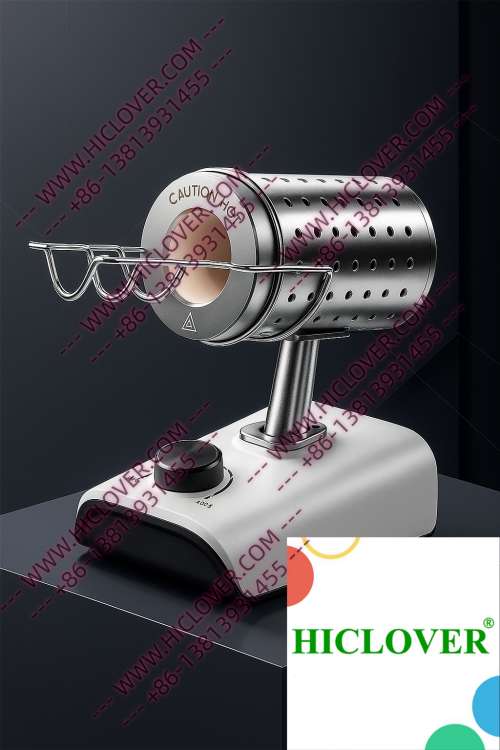
The Micro Incinerator utilizes infrared heat technology, which differentiates it from traditional flame sterilizers like alcohol lamps or Bunsen burners. It features an enclosed ceramic tube that produces high temperatures quickly and efficiently, facilitating rapid thermal sterilization. This ceramic heating chamber is designed to reach temperatures upwards of 800°C (1472°F) in mere seconds, ensuring that inoculating loops, needles, and other instruments are sterilized effectively without the risk of an open flame.
One of the most attractive features of this technology is its aerosol-free handling, reducing the risk of airborne contamination in sensitive environments, such as BSL-2 and BSL-3 microbiology labs. The absence of a flame also makes it ideal for use in cleanrooms, where even minor disturbances can lead to contamination.
Applications of Micro Incinerators in Various Lab Settings
The versatility of the Micro Incinerator allows it to be an asset across various laboratory settings. Here are two application scenarios:
-
Biosafety Cabinets:
In higher containment laboratories, the Micro Incinerator can be integrated seamlessly into biosafety cabinets. Researchers performing microbial assays benefit from the low-profile design and rapid sterilization capabilities, allowing them to maintain a sterile environment while adhering to stringent biosafety protocols. -
Teaching Labs:
In educational contexts, such as university teaching laboratories, instructors can demonstrate proper inoculation techniques without the hazards associated with traditional flame sterilizers. The Micro Incinerator not only teaches best practices in a safer manner but also enhances student confidence in sterile techniques.
Compliance and Environmental Considerations
Adhering to established standards for lab sterilization is crucial. The World Health Organization (WHO) provides guidelines for biosafety that emphasize the need for effective sterilization methods to prevent cross-contamination. The Micro Incinerator meets many international sterilization standards due to its enclosed design, which eliminates open flames and reduces aerosol production, making it suitable for cleanroom operations.
Moreover, strict regulations in universities and research centers, especially those conducting clinical diagnostics, necessitate tools that comply with best practices for laboratory sterilization. Traditional flame-based sterilizers, which require flammable substances, are increasingly being phased out due to these compliance requirements. The Micro Incinerator fits perfectly into modern laboratory settings where safety and efficacy are paramount.
Advantages Over Traditional Flame Sterilizers
The benefits of the Micro Incinerator compared to traditional flame sterilizers become evident with several key differentiators:
- Higher Efficiency: Faster heating times and lower power consumption.
- Enhanced Safety: No open flames reduce fire hazards and accidental burns.
- Environmental Friendliness: Reduced emissions and safer for use in clean environments.
- Aerosol-Free Operation: Minimizes infection risk during sterilization.
Comparison Table: Micro Incinerator vs. Traditional Flame Sterilizers
| Feature | Micro Incinerator | Traditional Flame Sterilizers |
|---|---|---|
| Heating Method | Infrared/Electric | Flame (Alcohol or Bunsen) |
| Temperature Control | Precise and adjustable | Less control; variable |
| Safety | Aerosol-free, no open flames | Risk of burns and fires |
| Speed | Instant heating | Requires time to ignite |
| Cleanroom Compatibility | Excellent | Poor; creates particulates |
FAQs about Micro Incinerators
- What makes infrared sterilization more effective than flame sterilization?
The rapid thermal sterilization enabled by infrared technology is both efficient and safe, reducing the hazards associated with open flames. - How do I maintain my Micro Incinerator for optimal performance?
Regular cleaning of the ceramic tube and routine checks of the electrical components will ensure longevity and reliability. - Can a Micro Incinerator be used in field testing labs?
Yes, its portability and fast sterilization capabilities make it suitable for mobile lab environments. - Is the Micro Incinerator compliant with WHO biosafety guidelines?
Absolutely, it meets international standards essential for laboratories focused on biosafety. - What instruments can be sterilized with a Micro Incinerator?
A wide range of items including inoculating loops, needles, and small metal tools can be effectively sterilized.
Conclusion: Revolutionize Your Sterilization Process
The Micro Incinerator or Infrared Inoculating Loop Sterilizer represents a paradigm shift in laboratory sterilization techniques. With its myriad advantages over traditional flame sterilizers, it is perfectly suited for modern labs focused on biosafety, efficiency, and compliance. Whether you’re operating a high-containment microbiology lab or facilitating sterilization in a university teaching lab, the Micro Incinerator offers the reliability and performance you require.
Contact us today to learn more about how the Micro Incinerator can enhance your laboratory sterilization workflow and improve your biosafety measures!
Categories:
Tags: