
In today’s scientific landscape, maintaining a sterile environment is crucial in combating contamination and ensuring reliable results in laboratory settings. With increasing biosafety demands, particularly in BSL-2 and BSL-3 microbiology labs, traditional sterilization methods, such as alcohol lamps and Bunsen burners, are becoming inadequate. As research facilities, schools, and hospitals strive for enhanced hygiene protocols, innovative sterilization technologies like the Micro Incinerator and Infrared Inoculating Loop Sterilizer are paving the way for improved workflow efficiency and adherence to rigorous sterilization standards.
The Need for Advanced Laboratory Sterilization Equipment
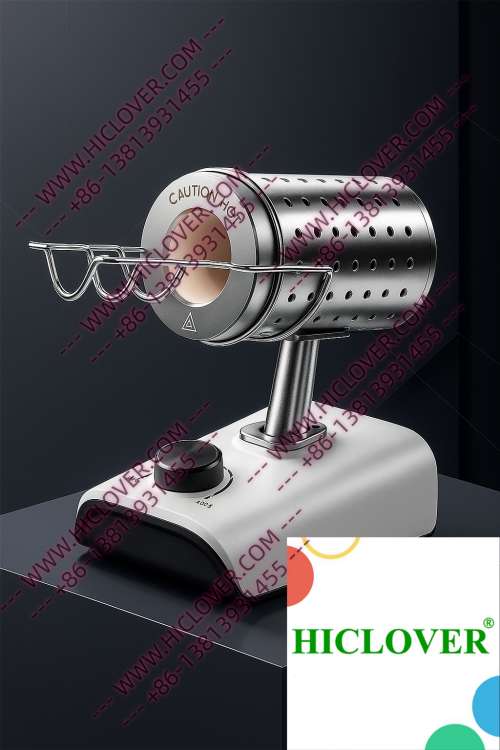
Laboratory professionals face numerous biosafety challenges, from minimizing the risk of cross-contamination to optimizing time-consuming sterilization workflows. Conventional flame sterilizers often produce aerosols, which can introduce unwanted contaminants to the workspace, complicating efforts to maintain sterility. This challenge is exacerbated in sensitive environments like PCR rooms, where even the slightest contamination can lead to erroneous results.
Technical Principles of Micro Incinerators
The Micro Incinerator operates on the principle of rapid thermal sterilization using infrared heat. Its enclosed ceramic tube design allows for high-temperature disinfection while reducing the risk of open flames, which is particularly essential in clean rooms and sensitive laboratory environments. Unlike traditional flame sterilizers, which can vary in temperature and produce soot, micro incinerators provide a steady and reliable heat output. The ceramic heating chamber rapidly reaches the required sterilization temperature, ensuring complete destruction of pathogens quickly and efficiently.
Applications of Micro Incinerators in Real Laboratory Settings
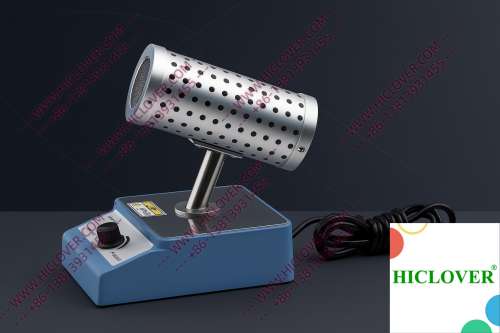
- Biosafety Cabinets: In BSL-2 and BSL-3 laboratories, micro incinerators can be integrated into biosafety cabinets, allowing researchers to sterilize loops and other instruments without the risk of open flames or contaminants.
- Field Testing Labs: During fieldwork where access to electrical outlets may be limited, portable Micro Incinerators offer a lightweight solution for ensuring necessary sterilization on-site.
- University Teaching Labs: In educational settings, the safety of students and faculty is paramount. Utilizing infrared inoculating loop sterilizers minimizes the inherent risks of flame-based methods in a teaching environment.
Compliance with Laboratory Sterilization Standards
Adhering to international biosafety standards set by the World Health Organization (WHO) is essential in maintaining the integrity and safety of laboratory operations. The introduction of innovative sterilizers aligns with WHO guidelines, ensuring effective sterilization protocols without the hazards associated with flame sterilizers. Furthermore, compliance with national standards like the CDC’s Biosafety in Microbiological and Biomedical Laboratories (BMBL) highlights the advantages of using product technologies that prioritize safety and efficiency.
“In cleanroom environments, flame sterilizers pose a contamination risk; adopting flame-free solutions like micro incinerators protects the integrity of the workspace.”
Micro Incinerators Vs. Traditional Flame Sterilizers
| Feature | Micro Incinerator | Flame Sterilizers |
|---|---|---|
| Heat Source | Infrared Ceramic Tube | Open Flame |
| Safety | Flame-Free | Risk of Aerosols |
| Speed | Rapid Thermal Sterilization | Variable |
| Portability | Compact Design | Requires Fuel |
| Environmental Impact | Cleaner Process | Produces Waste |
FAQs about Micro Incinerators
- What is a Micro Incinerator used for? A Micro Incinerator is used for the rapid sterilization of inoculating loops, needles, and other lab equipment, providing a flame-free method of disinfection.
- Are Micro Incinerators safe for use in clean rooms? Yes, they are designed to minimize contamination risks, making them suitable for cleanroom environments where open flames are prohibited.
- How do Micro Incinerators contribute to workflow efficiency? By providing a reliable and fast sterilization method, they reduce downtime and allow for smoother laboratory operations.
- What temperature do Micro Incinerators reach? They typically reach upwards of 800°C, sufficient for effective sterilization.
- How easy is it to maintain a Micro Incinerator? Micro Incinerators are generally low-maintenance, requiring regular cleaning of the ceramic tube to ensure optimal performance.
Conclusion
The advent of innovative sterilization technologies like the Micro Incinerator represents a significant leap forward in ensuring laboratory hygiene and biosafety compliance. As research becomes increasingly complex, investing in advanced sterilization solutions is more critical than ever. These technologies not only enhance safety but also improve efficiency, allowing laboratories to focus on what truly matters—quality research and reliable results. If you are looking to elevate your laboratory’s sterilization practices, consider integrating the Micro Incinerator into your workflow today.
Categories:
Tags: