
In the evolving landscape of laboratory biosafety, the importance of effective sterilization cannot be overstated. Laboratories in Tanzania face significant challenges, particularly in maintaining sterile environments. With rising concerns about contamination control, the need for efficient sterilization workflows has become paramount. This is where cutting-edge technologies, like the Micro Incinerator or Infrared Inoculating Loop Sterilizer, come into play, offering solutions that align with the stringent demands of modern laboratories.
The Technical Principle Behind Micro Incinerators
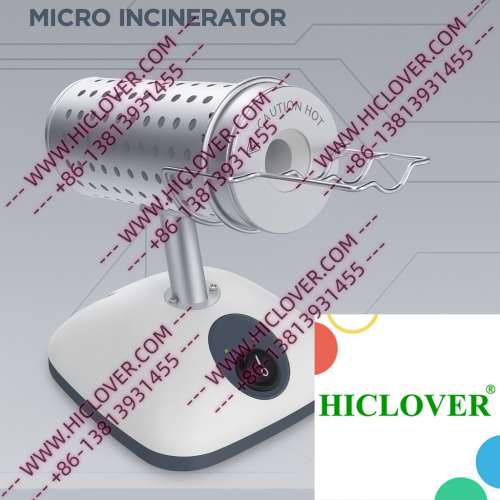
The micro incinerator operates using a principle of rapid thermal sterilization. It employs infrared heating technologies to achieve high temperatures, which enable the destruction of biological contaminants with minimal risk of aerosolization. At the heart of the device is an enclosed ceramic tube that provides a clean, efficient heating chamber. This high-temperature disinfection method is a significant advancement over traditional flame-based strategies.
Some key technical features include:
- Infrared Heating: Rapidly heats the inoculating loop or tool without open flames.
- Ceramic Heating Chamber: Ensures uniform temperature distribution, enhancing sterilization efficiency.
- Portability: Many models are lightweight and require minimal energy, making them suitable for field use.
- Sustainability: Reduces carbon emissions compared to traditional flame methods, aligning with Tanzania’s environmental goals.
- Enhance contamination control protocols
- Ensure compliance with WHO biosafety standards
- Maintain a clean, flame-free environment in sensitive areas
Application Scenarios of Micro Incinerators
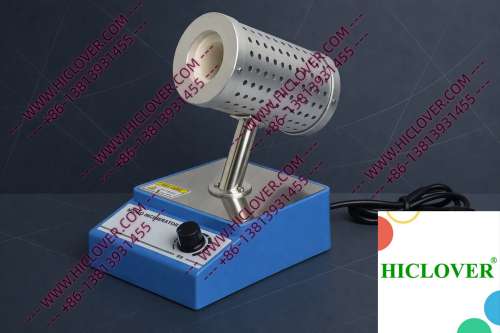
Micro incinerators have found their niche in various laboratory settings, including:
Biosafety Cabinets
In BSL-2 and BSL-3 microbiology labs, maintaining sterilized tools is critical. Utilizing a micro incinerator within a biosafety cabinet enhances safety by preventing any potential aerosol contamination during tool sterilization. This enclosed system ensures that researchers can prepare their samples with reduced risk, allowing for a focus on exploration and innovation rather than sterile technique worry.
Teaching Laboratories
Universities in Tanzania face the challenge of training future scientists in safe laboratory techniques. In educational laboratories, educators can incorporate micro incinerators into practical training sessions, demonstrating effective sterilization techniques without compromising safety. Students learn to manage contamination control while ensuring compliance with WHO biosafety standards.
Compliance with International Standards
Ensuring compliance with biosafety and sterilization standards is critical for laboratory operations. The WHO emphasizes the importance of adhering to sterilization protocols to mitigate risks of disease transmission. Traditional methods, such as alcohol lamps and Bunsen burners, fall short in clean room environments as they pose potential contamination through open flames and aerosols.
By integrating micro incinerators into workflows, laboratories in Tanzania can:
Advantages Over Traditional Flame Sterilizers
When comparing micro incinerators with traditional flame sterilizers, several advantages stand out:
| Feature | Micro Incinerator | Flame Sterilizer |
|---|---|---|
| Risk of Contamination | Minimal (infrared heating eliminates aerosols) | High (open flames can disperse contaminants) |
| Energy Efficiency | Lower energy consumption | Higher electricity and gas costs |
| Portability | High (ideal for field testing) | Lower (requires stable setup) |
| Environmental Impact | Lower emissions, more eco-friendly | Higher carbon footprint from combustion |
Common Questions About Micro Incinerators
1. What is the primary function of a micro incinerator?
The primary function of a micro incinerator is to sterilize laboratory tools using infrared heat, effectively eliminating biological contaminants without the risks associated with open flames.
2. Can micro incinerators be used in field testing environments?
Yes, many micro incinerators are designed for portability, making them suitable for field conditions where traditional sterilization equipment may not be viable.
3. Are micro incinerators compliant with WHO sterilization standards?
Yes, micro incinerators meet or exceed several international standards, including those set by WHO, ensuring safe and effective sterilization processes.
4. How does the sterilization time of a micro incinerator compare to a flame sterilizer?
Micro incinerators often provide quicker turnaround times for sterilization due to their rapid thermal technologies, contributing to more efficient workflows.
5. Are there specific training requirements for using micro incinerators in laboratories?
Training may be necessary to ensure proper use and safety protocols, especially in high-biosafety environments like BSL-2 and BSL-3 laboratories.
Conclusion: A Better Future for Tanzanian Laboratories
In the ongoing pursuit of cleaner streets and healthier lives, embracing innovative technologies such as micro incinerators is vital for laboratories in Tanzania. These devices not only enhance laboratory safety but also contribute to improved environmental sustainability, aligning with both local and global health initiatives. Whether you are part of a university, research center, or healthcare facility, incorporating micro incinerators can transform your sterilization processes.
To learn more or to enhance your laboratory’s capabilities with the Micro Incinerator or Infrared Inoculating Loop Sterilizer, feel free to reach out for more information. Together, we can support a healthier future for Tanzania.
Categories:
Tags: