
In laboratories, where contamination control is critical, traditional sterilization methods like alcohol lamps and Bunsen burners can present challenges. Those working in BSL-2 and BSL-3 microbiology labs, clinical diagnostics, or even university teaching laboratories are familiar with the constant demand for rapid thermal sterilization techniques. The introduction of Micro Incinerators, particularly the Infrared Inoculating Loop Sterilizer, has revolutionized the standard sterilization workflow, offering a cleaner, safer, and more effective alternative.
Understanding the Technical Principles
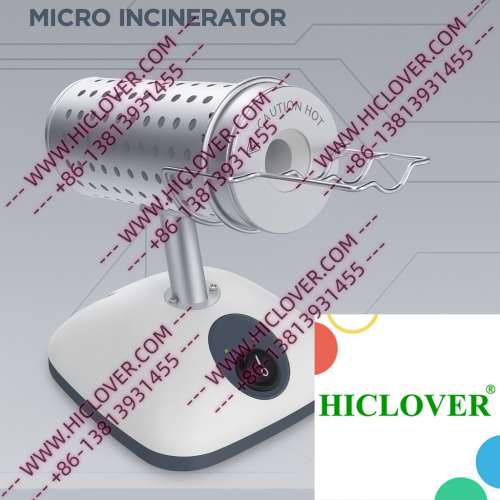
Micro Incinerators operate via a unique technical principle: they utilize infrared heat generated within an enclosed ceramic heating chamber. This design allows for rapid high-temperature disinfection without an open flame. Unlike traditional flame-based sterilizers, which can produce harmful fumes and are not suitable for cleanroom environments, Micro Incinerators provide an aerosols-free handling process, ensuring that all delicate laboratory protocols are upheld.
The infrared technology heats the sterilization loop or tool evenly and rapidly to temperatures between 800°C and 1000°C, achieving sterilization in a matter of seconds. This feature not only saves crucial time during the sterilization process but also significantly reduces the risk of contamination by limiting operator exposure to potentially hazardous environments.
Applications in Real Laboratories
Biosafety Cabinet Operations
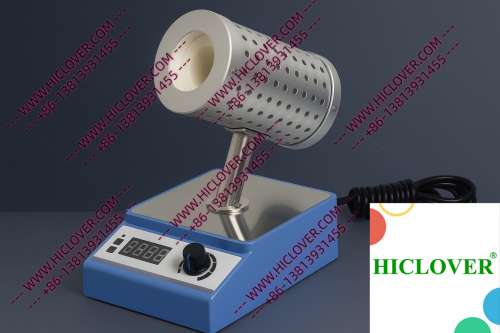
In many laboratories, especially those adhering to WHO biosafety standards, the use of a Micro Incinerator within a biosafety cabinet ensures that all sterilization occurs without introducing contamination. The closed design minimizes the risk of pathogens escaping during the sterilization process. It’s particularly beneficial for microbiologists when performing inoculations or handling cultures, as these tasks demand high levels of sterility.
Field Testing and Teaching Labs
In mobile or field testing labs where quick sterilization is crucial, Micro Incinerators shine for their portability and independence from auxiliary fuel sources. Moreover, in university teaching labs, the safety features of these units allow students to learn sterilization techniques without the risks associated with open flames. Students can focus on technique rather than worrying about personal safety or cross-contamination.
Compliance with Safety Standards
Micro Incinerators are integral in meeting a range of compliance and environmental standards. Compliance with WHO biosafety protocols, laboratory sterilization standards, and the establishment of no-flame zones in clean rooms are just a few of the crucial factors to consider. These devices eliminate the risk of unwanted flames, making them the choice for facilities that require stringent safety measures and environment control.
Comparison of Micro Incinerators and Traditional Flame Sterilizers
| Features | Micro Incinerator | Traditional Flame Sterilizer |
|---|---|---|
| Heating Method | Infrared Heat | Open Flame |
| Speed of Sterilization | 2 seconds | 15-30 seconds |
| Safety Risk | Low | High (burns, contamination) |
| Suitable for Cleanrooms | Yes | No |
| Portability | High | Low |
FAQs about Micro Incinerators
- What settings are Micro Incinerators suitable for? Micro Incinerators can be used in a variety of settings, including BSL-2 and BSL-3 microbiology labs, clinical diagnostics, and teaching laboratories.
- How quickly do Micro Incinerators sterilize tools? The Micro Incinerator can achieve sterilization in as little as 2 seconds, making it an incredibly efficient tool for rapid sterilization.
- Are there any safety risks involved with using a Micro Incinerator? Micro Incinerators have a low risk profile compared to traditional flame sterilizers due to their enclosed design and infrared heating technology.
- Can Micro Incinerators be used in cleanroom environments? Yes, Micro Incinerators are ideal for use in cleanrooms as they do not produce open flames or harmful aerosols.
- How do Micro Incinerators compare to traditional sterilization methods? Compared to traditional methods, Micro Incinerators provide quicker, safer sterilization with lower risks of contamination and injuries.
Conclusion
As laboratories continue to advance in the pursuit of safety and efficiency, Micro Incinerators, such as the Infrared Inoculating Loop Sterilizer, stand out as indispensable components in modern sterilization practices. They not only enhance workflow efficiency but also prioritize contamination control and safety. For laboratory supply distributors, research centers, hospitals, and universities looking to upgrade their sterilization equipment, investing in a Micro Incinerator can deliver paramount benefits.
If you are interested in learning more about how Micro Incinerators can transform your laboratory’s sterilization processes, don’t hesitate to reach out for more information or to make a purchase today.
Categories:
Tags: